Natural remedies for gut inflammation: An analytical review of current research and therapeutic mechanisms
Inflammatory Bowel Disease (IBD), encompassing conditions such as ulcerative colitis and Crohn’s disease, presents as a persistent and chronic state of gastrointestinal inflammation 1, 2. While conventional pharmaceuticals-including aminosalicylates, corticosteroids, and biologics-remain the standard for symptom alleviation, patients and clinicians are increasingly investigating natural products as potential therapeutic adjunctive strategies 1, 2. This article explores the pharmacological mechanisms, preclinical evidence, and the essential considerations for utilizing these botanical and dietary agents in the context of gut health.
Molecular Mechanisms of Anti-Inflammatory Botanical Compounds
The therapeutic efficacy of natural products in treating gut inflammation is largely attributed to their ability to modulate specific molecular signaling pathways 1. Primary pathways of interest in clinical research include the NF-κB, MAPK, and JAK/STAT pathways, all of which are frequently overactivated in the presence of chronic gastrointestinal distress 1, 2. Compounds such as flavonoids, terpenoids, and alkaloids are reported to exert immunomodulatory and antioxidative effects that can help restore homeostasis to the intestinal barrier 1.
For instance, isoliquiritigenin, a flavonoid derived from licorice, has demonstrated the capacity to inhibit the TLR4/MyD88/NF-κB signaling pathway 6. Furthermore, 2',4'-dihydroxychalcone has been identified as a contributor to the inhibition of the NLRP3 inflammasome, a complex often implicated in the pathogenesis of IBD 9. These findings indicate that specific plant-derived molecules may act directly on the biological drivers of inflammation rather than merely addressing surface-level symptoms 1.
Curcumin and Polyphenolic Herbal Formulations
Curcumin, a polyphenolic compound extracted from Curcuma longa, is perhaps the most widely studied natural agent for inflammatory conditions 3. Research indicates that curcumin modulates the intestinal mucosal barrier and restores microbial homeostasis, effectively suppressing inflammatory responses 3. Despite its potent pharmacological properties, its clinical utility is often hindered by low oral bioavailability and poor aqueous solubility, leading to the development of advanced nanodelivery systems, including lipid-based carriers and nanofibers, to improve stability 3.
Beyond single compounds, complex herbal mixtures are gaining analytical focus. One study examined a polyphenol-rich formulation (CSPG) containing Cirsium japonicum, Scutellaria baicalensis, Paeonia japonica, and Glycyrrhiza uralensis 4. This mixture demonstrated a gut-friendly profile by preserving microbial diversity and protecting taxa such as Ruminococcaceae, while matching standard medications in suppressing inflammatory markers like procalcitonin 4.
The Role of Ginseng and Sarcandra Glabra in Microbial Modulation
The gut microbiome plays a pivotal role in the progression of inflammatory conditions, with dysbiosis serving as a hallmark of disease severity 2, 7. Ginsenosides, the primary bioactive constituents of ginseng, have been shown to ameliorate experimental colitis through the regulation of pro-inflammatory cytokine production and the modulation of immune cell activity 2. By recalibrating the internal ecosystem, these compounds potentially prevent the chronic cycle of inflammation that characterizes bowel disease 2.
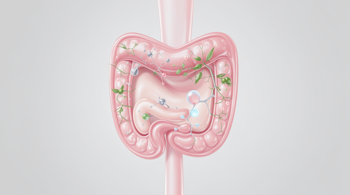
Similarly, Sarcandra glabra has been documented to dose-dependently mitigate intestinal injury 8. Research indicates that this botanical agent reshapes the gut microbiota, specifically enriching beneficial strains like Ligilactobacillus animalis, which produces metabolites that suppress the IL-6/SOCS3 signaling pathway 8. By upregulating tight junction proteins, these agents contribute to the physical repair of the mucosal barrier, which is essential for preventing the translocation of bacteria 8.
Secondary Natural Remedies for Digestive Support
In addition to concentrated herbal extracts, several commonly utilized natural substances are recognized for their supportive roles in maintaining gut integrity. The following table summarizes frequently cited natural agents and their purported supportive mechanisms for gut health.
| Natural Agent | Proposed Biological Mechanism |
|---|---|
| Aloe Vera | Anti-inflammatory properties, potential mucosal soothing 5 |
| Wheatgrass Juice | Reduction in rectal bleeding and symptom severity 5 |
| Indigo Naturalis | Regulation of gut microbiota and increase in short-chain fatty acids (SCFAs) 7 |
| Slippery Elm | Formation of a protective, gel-like coating on intestinal tissues 16 |
| L-Glutamine | Primary fuel source for enterocytes to aid wall repair 17 |
Challenges and Clinical Considerations
While experimental models provide evidence of potential efficacy, the transition from preclinical observation to clinical application faces significant hurdles 1. Issues regarding the standardization of herbal dosages, bioavailability, and consistent efficacy remain prevalent 1. Furthermore, the complexity of gut inflammation necessitates caution; self-directed use of supplements can result in unintended interactions with prescribed medications or insufficient control of aggressive disease states 10.
Healthcare professionals emphasize that natural remedies should be viewed as part of an integrated approach rather than as solitary replacements for evidence-based medicine 10. The urgency for well-designed clinical trials is high, as accurate data on human tolerance and long-term safety profiles is currently lacking for many of these compounds 1. Patients are encouraged to prioritize transparent communication with medical teams when incorporating these substances into their health regimen 10.
Regulatory and Safety Outlook
The regulatory landscape for natural products involves significant variance in quality control, purity, and active compound concentration. Because botanical remedies are not subject to the same stringent pharmaceutical manufacturing standards as conventional drugs, the risk of contaminants or inconsistent dosing is a factor that consumers must consider 1. Ensuring that an agent is sourced from reputable providers and that its pharmacological profile is understood is essential for safety.
Furthermore, because chronic inflammatory diseases carry risks of long-term complications, including malignancy, the suppression of symptoms must be monitored through validated clinical diagnostics 5. Relying on symptomatic relief alone without clinical supervision may mask the underlying progression of the condition, potentially delaying necessary medical interventions. Therefore, a cautious, evidence-driven approach remains the safest trajectory for those seeking to incorporate natural products into their gastrointestinal management strategy 1.
Sources
- Bentham Science Publishers: Natural Product-based Therapies for IBD
- Frontiers in Immunology: Therapeutic potential of ginseng
- Archives of Pharmacal Research: Curcumin for IBD
- Gut Pathogens: Multi-aspect therapeutic effects of herbal formulations
- Zee News: Natural remedies for ulcerative colitis
- Scientific Reports: Isoliquiritigenin in ulcerative colitis
- Frontiers in Cellular and Infection Microbiology: Indigo Naturalis
- npj Science of Food: Sarcandra glabra
- Frontiers in Immunology: 2',4'-dihydroxychalcone
- Howling Wolf Herbs: Herbal Allies for Balance
- National Institutes of Health (NIH)
- Cleveland Clinic
- Harvard Health Publishing
- Mayo Clinic
- WebMD
- Mount Sinai Hospital
- Healthline
- Medical News Today
- Verywell Health
- Johns Hopkins Medicine
Authored by 24Trendz team