Warning signs of fatty liver disease: Clinical findings and when evaluation matters
Why fatty liver disease is often missed
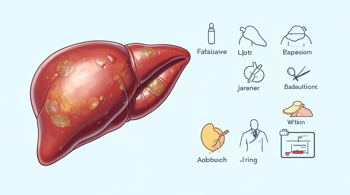
Fatty liver disease develops when excess fat accumulates in liver cells. Metabolic dysfunction-associated steatotic liver disease, formerly called nonalcoholic fatty liver disease, and alcohol-associated fatty liver disease are the two broad patterns described in the supplied clinical material. Early disease commonly causes few or no symptoms, and some people may remain symptom-free even after cirrhosis develops from steatohepatitis. 1 This lack of obvious symptoms means that routine blood testing or abdominal imaging may identify the condition before a person notices physical changes. 2
- Early fatty liver may be present without pain, jaundice, or visible changes.
- Symptoms alone cannot confirm fatty liver or determine whether scarring is present.
- Persistent symptoms and relevant metabolic risks should be discussed with a qualified clinician.
Common early warning signs
When symptoms do occur, fatigue is among the most frequently reported complaints, although it is not specific to liver disease and can have many other causes. 5 Some people also report weakness, reduced appetite, nausea, or a dull feeling of discomfort, pressure, or fullness in the upper-right abdomen beneath the ribs. 2 Upper-right abdominal discomfort may be related to an enlarged or irritated liver, but its presence does not establish a diagnosis because gastrointestinal, muscular, and other conditions can produce similar sensations.
- Persistent tiredness that does not improve with adequate rest.
- General weakness or reduced stamina.
- Nausea or loss of appetite.
- Recurring discomfort or fullness in the upper-right abdomen.
Signs that may indicate progression
Yellowing of the skin or whites of the eyes, known as jaundice, is more concerning for significant liver or bile-flow dysfunction than for uncomplicated early fat accumulation. 6 Fluid buildup can cause swelling in the legs or enlargement of the abdomen, a finding known as ascites when fluid collects inside the abdominal cavity. 7 These findings can occur with advanced scarring, liver failure, or other serious conditions, so they should not be attributed to fatty liver without medical evaluation.
- Jaundice or unusually yellow eyes.
- Increasing abdominal swelling or fluid-related fullness.
- Swelling of the legs or ankles.
- Marked loss of appetite, weakness, or unintended weight loss.
Skin, bleeding, and other physical clues
Advanced liver disease can produce physical findings beyond abdominal symptoms. Spider angiomas are small, spider-like clusters of visible blood vessels that may occur with cirrhosis and altered hormone processing. 8 Easy bruising or frequent nosebleeds may also occur when impaired liver function affects production of proteins needed for normal blood clotting. 10 Unexplained itching without a visible rash has been associated with liver-related bile buildup, but itching is nonspecific and requires consideration of other dermatologic, medication-related, and systemic causes. 13
- New spider-like blood vessels, particularly when accompanied by other symptoms.
- Bruising more easily than usual or repeated nosebleeds.
- Persistent generalized itching without an obvious rash.
- Skin or eye color changes that require clinical assessment.
Risk factors that strengthen concern
Symptoms are more meaningful when considered alongside established risk factors. The NIDDK identifies overweight or obesity, insulin resistance, type 2 diabetes, high triglycerides, abnormal cholesterol, high blood pressure, and metabolic syndrome traits as conditions associated with greater likelihood of metabolic fatty liver disease. 1 A large waist size, a diet high in sugar, sugary beverages, and limited physical activity may also contribute to risk. 3 Alcohol intake matters diagnostically because clinicians distinguish alcohol-associated disease from metabolic forms by reviewing drinking patterns and other causes of liver injury.
- Overweight or obesity, particularly with increased waist size.
- Type 2 diabetes or insulin resistance.
- High triglycerides, high total or LDL cholesterol, or low HDL cholesterol.
- High blood pressure or multiple metabolic-syndrome traits.
- Low physical activity, a high-sugar diet, or regular sugary drinks.
How clinicians investigate warning signs
Diagnosis relies on medical history, physical examination, blood tests, imaging, and sometimes liver biopsy rather than symptoms alone. 3 During examination, clinicians may assess body mass index, look for an enlarged liver, identify signs of insulin resistance such as darkened skin patches over the knuckles, elbows, or knees, and assess findings associated with cirrhosis, including an enlarged spleen, ascites, and muscle loss. 3 Blood tests can identify liver-test abnormalities, while imaging can detect fat accumulation, although additional assessment may be needed to evaluate inflammation or fibrosis.
- Medical history, including alcohol use, diet, activity, and metabolic conditions.
- Physical examination for liver enlargement, insulin resistance, swelling, or muscle loss.
- Blood testing to assess liver-related abnormalities and associated conditions.
- Imaging to identify fat and, when appropriate, further testing for scarring.
When symptoms require medical attention
Persistent fatigue, recurrent upper-right abdominal discomfort, abnormal liver tests, or several metabolic risk factors justify a structured medical review, even when symptoms are mild. 4 Jaundice, rapidly increasing abdominal or leg swelling, repeated unexplained bleeding, substantial appetite loss, or unintended weight loss are particularly important because they may reflect advanced liver disease or another serious disorder. 6 A symptom checklist cannot establish the cause, stage, or reversibility of liver abnormalities, and self-diagnosis may delay evaluation of viral, medication-related, autoimmune, or alcohol-associated liver disease.
- Arrange clinical assessment for ongoing or unexplained symptoms.
- Discuss abnormal liver blood tests rather than assuming they are harmless.
- Seek prompt care for jaundice, pronounced swelling, or unusual bleeding.
- Bring a complete list of medicines, supplements, alcohol intake, and relevant health conditions to an appointment.
Sources
- NIDDK, Symptoms & Causes of NAFLD & NASH: https://www.niddk.nih.gov/health-information/liver-disease/nafld-nash/symptoms-causes
- Penn Medicine, Fatty Liver Disease: https://www.pennmedicine.org/conditions/fatty-liver-disease
- NIDDK, Diagnosis of NAFLD & NASH: https://www.niddk.nih.gov/health-information/liver-disease/nafld-nash/diagnosis
- Cleveland Clinic, Fatty Liver Disease: https://my.clevelandclinic.org/health/diseases/15831-fatty-liver-disease
- Mayo Clinic, Nonalcoholic Fatty Liver Disease: https://www.mayoclinic.org/diseases-conditions/nonalcoholic-fatty-liver-disease/symptoms-causes/syc-20354567
- NHS, Non-alcoholic Fatty Liver Disease: https://www.nhs.uk/conditions/non-alcoholic-fatty-liver-disease/
- WebMD, Fatty Liver Disease Symptoms: https://www.webmd.com/hepatitis/fatty-liver-disease-symptoms
- Healthline, Fatty Liver: https://www.healthline.com/health/fatty-liver
- Johns Hopkins Medicine, Fatty Liver Disease: https://www.hopkinsmedicine.org/health/conditions-and-diseases/fatty-liver-disease
- American Liver Foundation, Non-alcoholic Fatty Liver Disease: https://liverfoundation.org/for-patients/about-the-liver/diseases-of-the-liver/non-alcoholic-fatty-liver-disease/
- MedlinePlus, Fatty Liver Disease: https://medlineplus.gov/fattyliverdisease.html
- Mount Sinai, Nonalcoholic Fatty Liver Disease: https://www.mountsinai.org/health-library/diseases-conditions/nonalcoholic-fatty-liver-disease
- Medical News Today, Fatty Liver Symptoms: https://www.medicalnewstoday.com/articles/fatty-liver-symptoms
Authored by 24Trendz team