Best soothing creams for rosacea flare-ups: Clinical perspectives on skin barrier management
Understanding Rosacea and Skin Barrier Dysfunction
Rosacea is recognized as a chronic inflammatory skin condition characterized by a spectrum of symptoms including persistent redness, flushing, visible blood vessels, and occasionally inflammatory bumps or cysts 1. This condition is frequently linked to an underlying immunity imbalance that compromises the skin barrier, leading to heightened sensitivity and recurrent irritation 1, 4. Clinical observations suggest that individuals with rosacea are significantly more reactive to external environmental factors than the general population 4. While there is no known cure, the strategic use of specific dermatological care can help manage the frequency and intensity of flare-ups 4.
Triggers for these episodes are wide-ranging, encompassing lifestyle and environmental factors such as solar exposure, temperature fluctuations, intake of spicy foods, consumption of alcohol, and elevated stress levels 1, 4. Because the skin barrier is compromised, the primary objective in selecting topical treatments is to provide hydration while avoiding ingredients that may induce further thermal or chemical irritation 4, 13. Medical consensus emphasizes that any new product, even those formulated for sensitivity, should be introduced gradually and patch-tested to ensure compatibility with individual skin responses 13.
Key Ingredients for Inflammation Mitigation
Dermatological guidance frequently centers on the inclusion of specific active ingredients known to support the integrity of the skin barrier and reduce the visible signs of inflammation 1. Hyaluronic acid is often recommended due to its function as a humectant that attracts and binds water to the epidermis, which helps alleviate the dryness that can exacerbate rosacea symptoms 1, 4. Ceramides are similarly valued for their role in reinforcing the skin barrier function, providing a protective effect against environmental stressors 3, 4.
Other ingredients frequently cited in clinical studies include:
- Azelaic acid: Known for reducing inflammation and managing skin bacteria 4, 5.
- Niacinamide: A form of vitamin B3 that can assist in calming inflammation, though its concentration requires monitoring as some patients may find it irritating 1, 13.
- Allantoin: Often utilized to soothe sensitive or reactive skin tissues 5, 6.
- Colloidal Oatmeal: Recognized for its historical use in healing and protecting irritated skin barriers 4, 13.
Fragrance-Free Formulations and Irritant Avoidance
A fundamental requirement for any skincare product used by those with rosacea is the absence of added fragrances, which are common culprits for contact dermatitis and reactive flushing 1, 13. Experts distinguish between fragrance-free, which indicates the absence of odor-masking ingredients, and unscented, which may still contain hidden fragrance components that can trigger adverse reactions 13. The selection of products should prioritize simple, high-tolerance formulas that avoid known common irritants like harsh exfoliating acids, scrubs, or drying toners 13.
Regulatory information from dermatological bodies indicates that consumers must remain vigilant about ingredient lists, as even naturally derived products can cause sensitivities in patients with compromised skin barriers 19. Opting for formulations that explicitly state the exclusion of dyes, lanolin, parabens, and common allergens is a standard approach for managing long-term skin health 13, 21.
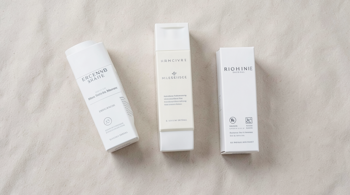
Analysis of Popular Topical Treatment Categories
The marketplace offers various textures ranging from rich creams to lightweight gels, each serving different physiological needs. For patients experiencing severe dryness, thick, ceramide-rich creams provide more substantial barrier support than thinner, water-based lotions 13. Conversely, for those who find heavy creams occlusive or uncomfortable during a flush, gel-based moisturizers containing soothing agents provide a cooling sensation without a heavy residue 1, 13.
| Category | Primary Benefit | Common Ingredients |
|---|---|---|
| Rich Creams | Deep moisture barrier repair | Ceramides, Omega Fatty Acids, Shea Butter |
| Gel Moisturizers | Immediate cooling, lightweight | Hyaluronic Acid, Oat Extracts, Allantoin |
| Targeted Serums | Active inflammation management | Azelaic Acid, Vitamin B3, Anti-redness botanicals |
Sun Protection and Environmental Shielding
Ultraviolet (UV) radiation is one of the most significant environmental triggers for rosacea flare-ups, necessitating the daily use of broad-spectrum sunscreen as a pillar of consistent skincare 2, 13. Dermatologists often favor mineral sunscreens, which utilize physical blockers like zinc oxide or titanium dioxide rather than chemical filters, as these are typically better tolerated by highly sensitive skin 13. Some modern products integrate these protective mineral filters with soothing botanical actives, creating a dual-function approach to daily skin defense 2, 8.
Consistency in sun protection not only helps prevent the intensification of existing redness but also mitigates the risk of visible blood vessel formation over time 2. When selecting an SPF, individuals with rosacea are advised to look for non-comedogenic, fragrance-free options that integrate seamlessly into their morning routine without requiring aggressive rubbing during application 7, 8.
When to Seek Professional Medical Assessment
While over-the-counter moisturizers and topical treatments can play a significant role in calming skin sensations and reducing the cosmetic impact of rosacea, they do not function as substitutes for medical intervention 1, 13. Flare-ups that involve pain, thickening of the skin texture, or any symptoms localized to the eyes require an evaluation by a healthcare professional, such as a dermatologist 4, 10. Medical professionals may prescribe topical medications, oral treatments, or advanced procedures like laser therapy, which are tailored to the specific subtype and severity of the patient's condition 10, 13.
Maintaining a detailed log of potential triggers and observed skin reactions can assist clinicians in developing a comprehensive management plan. The goal remains to minimize the frequency of inflammation while simultaneously strengthening the skin’s natural resilience against environmental stressors 10.
Sources
- Byrdie.com: The 13 Best Rosacea-Friendly Moisturizers for Calm Skin
- Noreva Laboratoires: Sensidiane AR+ Product Information
- Senté Labs: Dermal Repair Ultra-Nourish Details
- Forefront Dermatology: Top Rosacea Skincare Products Dermatologists Recommend
- The INKEY List: 10% Azelaic Acid Serum Specifications
- MANTLE: The Calming Solution Product Data
- Caudalie: VinoHydra Sorbet Cream Moisturizer
- Rosalique: Sensitive Skin Defence Serum SPF25
- The Independent: 19 Best Rosacea Products Tried and Tested
- OSVI Dermatology: 15 Best Skincare Products for Rosacea
- American Academy of Dermatology: Rosacea Skin Care Guidance
- National Rosacea Society: Patient Skin Care Resources
- Mayo Clinic: Rosacea Diagnosis and Treatment
- NHS: Conditions and Rosacea Management
- DermNet: Rosacea Management Principles
- Cleveland Clinic: Understanding Rosacea Symptoms and Care
- FDA: Cosmetic Ingredient Labeling Requirements
- CeraVe: Moisturizing Cream Formulation
- Vanicream: Sensitive Skin Moisturizer
- La Roche-Posay: Toleriane Double Repair Face Moisturizer
- Aveeno: Calm + Restore Oat Gel Moisturizer
- Eucerin: Redness Relief Product Line
Authored by 24Trendz team