Warning signs of pelvic inflammatory disease: A comprehensive medical overview
Pelvic inflammatory disease, commonly abbreviated as PID, represents an infection of the upper female reproductive tract, encompassing the uterus, fallopian tubes, and ovaries 1. It typically occurs when microorganisms ascend from the vagina or cervix into these deeper reproductive structures 2, 3. Recognizing the clinical presentation is vital because, while some individuals experience pronounced discomfort, others may exhibit only subtle symptoms or remain entirely asymptomatic, potentially leading to delayed diagnosis and subsequent reproductive complications 1, 4, 5.
Common Clinical Presentations of PID
The most frequently reported clinical manifestation of pelvic inflammatory disease is pain located in the lower abdomen or the pelvic region 1, 6. This discomfort is often described as dull or tender, though intensity can vary significantly between individuals 4. Alongside abdominal pain, patients may observe abnormal vaginal discharge, which may be heavy, discolored-often appearing yellow or green-and frequently accompanied by an unpleasant or foul odor 1, 4, 6. These changes in cervical secretions are indicative of the polymicrobial nature of the underlying infection within the genital tract 3.
Beyond physical pain and discharge, several other warning signs may indicate the presence of PID. These include:
- Pain during sexual intercourse (dyspareunia) 1, 5.
- Urinary distress, characterized by frequent urination or a burning sensation during the process 1, 6.
- Abnormal uterine bleeding, such as spotting between menstrual cycles, heavier-than-normal periods, or post-coital bleeding 1, 4.
- Systemic signs of infection, specifically fever, which may be accompanied by chills 1, 2, 4.
Pathophysiology and Risk Factors
Pelvic inflammatory disease is generally classified as a polymicrobial infection. While it is strongly associated with sexually transmitted pathogens such as Chlamydia trachomatis and Neisseria gonorrhoeae, it can also emerge from the overgrowth of bacteria naturally present in the vaginal flora 3, 4, 6. The infection typically initiates at the cervix and ascends, leading to conditions such as cervicitis, endometritis (inflammation of the uterine lining), and salpingitis (inflammation of the fallopian tubes) 2, 3, 6.
Several factors increase the likelihood of developing PID. Sexual activity remains a primary risk factor, particularly among individuals younger than 35 years who have multiple or new sexual partners 2. Additionally, the barrier function of the cervix can be compromised during menstruation, childbirth, miscarriage, or following certain gynecological procedures, facilitating the entry of bacteria into the upper reproductive tract 4, 6. Douching has also been identified as a practice that may contribute to the ascending spread of vaginal bacteria 2.
Diagnostic Approaches and Procedures
Because no single diagnostic test is definitive for pelvic inflammatory disease, clinicians utilize a multifaceted approach to confirm the diagnosis 7. Initial evaluation typically includes a thorough review of medical history, including sexual habits and previous history of sexually transmitted infections 7. A physical pelvic examination is essential to assess for tenderness and inflammation in the pelvic organs 7.
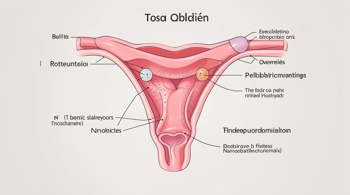
Laboratory and imaging diagnostics often supplement the physical exam. These may include:
| Test Type | Purpose |
|---|---|
| Cervical Specimens | Detection of N. gonorrhoeae and C. trachomatis 3, 7 |
| Blood and Urine Tests | Assessment of white blood cell counts and pregnancy status 7 |
| Ultrasound | Visualizing the reproductive organs for signs of fluid or abscesses 2, 7 |
| Laparoscopy | Direct visualization of pelvic organs in unclear diagnostic cases 7 |
Urgent Medical Indicators
Certain symptoms associated with PID necessitate immediate medical intervention. These red flags suggest the possibility of severe complications, such as a tubo-ovarian abscess or peritonitis 3, 5. Individuals experiencing intense, acute lower-abdominal pain, high fever-defined as a temperature exceeding 101 degrees Fahrenheit (38.3 degrees Celsius)-or persistent nausea and vomiting should seek emergency medical attention 1, 5.
Fainting, severe malaise, or the inability to retain fluids are further signs that the infection may be systemic or severely localized within the abdomen 5, 10. During pregnancy, any symptoms indicative of PID, including unusual discharge or abdominal discomfort, must be evaluated by a healthcare provider without delay to mitigate risks to both the patient and the fetus 10.
Long-Term Complications of Untreated PID
Early diagnosis and antibiotic treatment are critical because untreated PID can result in permanent physiological damage. Inflammation within the reproductive tract often leads to the development of fibrous scar tissue, which can cause chronic, long-term pelvic pain 1, 4. Furthermore, damage to the fallopian tubes increases the statistical risk of ectopic pregnancy and is a leading preventable cause of infertility 2, 3, 8.
Even in instances where initial symptoms are mild or easily overlooked, the risk of developing these sequelae remains significant 6, 8. A history of previous PID also increases the likelihood of recurrent infections, reinforcing the importance of consistent reproductive health screenings and addressing potential symptoms at their earliest onset 2, 9.
Treatment Strategies
Treatment for PID is centered on the administration of antibiotics designed to eradicate the causative pathogens 2, 3. While medication is highly effective at eliminating the infection, it cannot reverse established scar tissue or structural damage that may have occurred prior to treatment 7. Depending on the severity of the infection, treatment may require hospital-based care, particularly if oral antibiotics are insufficient or if complications like an abscess require surgical intervention or drainage 7, 8.
Patients are typically advised to refrain from sexual activity until the treatment course is completed and both the patient and their sexual partners have been fully evaluated to prevent reinfection 1, 9.
Sources
- Mayo Clinic - Pelvic inflammatory disease (PID) symptoms and causes
- Merck Manual - Pelvic inflammatory disease (PID) overview
- MSD Manual Professional - Pelvic inflammatory disease clinical diagnosis
- Family Doctor - Understanding PID symptoms
- Acibadem Hospitals - PID red flags and triggers
- Osmosis - Clinical science of pelvic inflammatory disease
- Mayo Clinic - Diagnosis and treatment protocols
- Acibadem Hospitals - Long-term fertility and PID
- Nolla Health - Early warning signs and management
- Healthdirect Australia - Emergency considerations for pelvic pain
Authored by 24Trendz team