Early symptoms of Kidney Infection you should know: A Clinical Guide to Warning Signs
What a kidney infection is
A kidney infection, medically called pyelonephritis, affects one or both kidneys and is usually caused by bacteria. Most cases begin in the lower urinary tract, where bacteria enter the urethra, reach the bladder, and then travel upward through the ureters. Upper urinary tract infections are less common than bladder infections but are generally more serious because the infection involves kidney tissue. 1
Bacteria from the bowel are a common source of urinary infection, and Escherichia coli causes about 80% of pyelonephritis cases among people who are not hospitalized or living in a nursing home. A blockage to urine flow, such as a kidney stone, structural abnormality, enlarged prostate, or urine reflux, can increase the likelihood of infection reaching the kidneys. 2
Early urinary symptoms to recognize
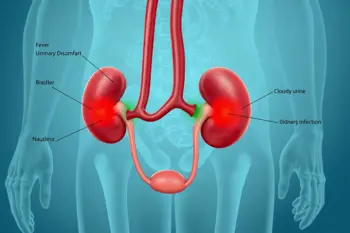
Early symptoms may resemble an ordinary bladder infection. Burning or pain during urination, a frequent need to urinate, and a strong urge to go even when little urine is produced are commonly reported. Some people notice pressure in the lower abdomen or a feeling that the bladder has not emptied completely. These symptoms can appear before more noticeable whole-body symptoms develop, although symptom patterns vary among individuals. 4
Urine changes can provide another warning. Urine may look cloudy, dark, or bloody, and it may have a foul or unusually strong smell. Blood in the urine does not establish the cause by itself, since several urinary conditions can produce it, but it is a symptom that should be reported during a medical assessment, particularly when it occurs with fever, pain, or painful urination. 1
Fever, chills, and feeling unwell
Fever and chills are important signs that an infection may be affecting more than the bladder. Chills can include shaking or feeling unusually cold, while fever may occur with sweating, weakness, or a general sense of illness. Kidney infections often produce a stronger systemic reaction than uncomplicated cystitis, so a person may feel distinctly sick rather than experiencing only urinary discomfort. 2
Nausea and vomiting may occur alongside fever and urinary symptoms. Muscle aches, flu-like symptoms, fatigue, and general malaise are also described in people with acute kidney infections. Vomiting matters clinically because it can make it difficult to drink fluids or keep prescribed medicine down. Diarrhea has also been reported, although digestive symptoms are not specific to kidney infection and require assessment in context. 3
Back, side, and groin pain
Pain in the back, side, or groin is a characteristic clue when infection has reached the kidneys. It is often felt in the flank or in the lower back area, and may occur on one side or both sides. Kidney-related pain can be mistaken for a pulled muscle or ordinary backache, especially when urinary symptoms are mild or absent at first. The combination of flank pain with fever or chills is particularly concerning. 1
Symptoms do not always follow a fixed sequence. Some people first notice burning urination or increased frequency, while others mainly feel feverish, weak, or painful in the side. A backache alone cannot confirm pyelonephritis, because many conditions cause back pain. However, pain accompanied by abnormal urine, nausea, vomiting, or a high temperature should not be treated as routine muscle soreness without professional evaluation. 3
How symptoms differ by age
Children may show less recognizable urinary symptoms than adults. Children younger than 2 years with a kidney infection may have only a high fever, and may also display feeding difficulty or poor weight gain. Older children can have fever, frequent or painful urination, vomiting, stomach or side pain, and reduced interest in food. Changes in bladder control, including new wetting, may also occur. 1
Older adults may have confusion or may simply appear generally unwell, making the infection harder to identify from urinary complaints alone. Pregnancy, childhood, and older age can therefore make symptom interpretation less straightforward. The absence of classic burning urination or flank pain does not reliably exclude a kidney infection in these groups, particularly when fever, vomiting, confusion, or an unexplained decline in health is present. 3
When medical assessment is needed
Kidney infection symptoms warrant prompt contact with a health care professional because the infection can worsen and may lead to sepsis. Assessment commonly includes urine tests, and imaging tests may be used when clinicians suspect pyelonephritis or need to investigate a blockage or another urinary problem. Treatment generally involves antibiotics, with more intensive care considered when symptoms are severe or oral treatment cannot be tolerated. 1
Emergency warning signs associated with possible sepsis include confusion, rapid breathing, a rapid heart rate, severe pain or discomfort, shortness of breath, and fever with chills. Vomiting that prevents fluid intake, visible blood in urine, high fever, or pain in the side or back also merits same-day medical attention. Kidney infections require clinical diagnosis, so home symptom tracking should support, not replace, professional care. 1
Why delays can be dangerous
An untreated bladder infection can spread upward through the urinary tract to one or both kidneys. Because pyelonephritis is usually bacterial, antibiotics are used to clear the infection, while urine testing helps clinicians evaluate the cause and guide management. A urinary obstruction, kidney stone, enlarged prostate, reflux, diabetes, or a weakened immune system can complicate the illness and may affect the type and intensity of care required. 2
Kidney infections can cause permanent kidney damage or a dangerous bloodstream infection called sepsis when treatment is delayed. The National Kidney Foundation reports that kidney infections lead to about 200,000 hospital visits each year, while women are reported to be six times more likely than men to develop one. These figures reinforce why fever, urinary changes, and flank pain should be considered together rather than dismissed as unrelated minor symptoms. 4
Sources
- National Institute of Diabetes and Digestive and Kidney Diseases, Symptoms & Causes of Kidney Infection
- Merck Manual Consumer Version, Kidney Infection
- Kidney Research UK, Kidney Infections
- American Kidney Fund, Kidney Infection Symptoms, Treatment and Prevention
Authored by 24Trendz team