Warning signs of Crohn's disease: A comprehensive overview of clinical indicators and diagnostic complexities
When individuals experience persistent gastrointestinal discomfort, such as frequent diarrhea or abdominal pain, it may occasionally be attributed to temporary digestive issues or dietary factors 9. However, recurring or severe manifestations of these symptoms can sometimes serve as warning signs of Crohn's disease, a chronic inflammatory bowel condition that affects the digestive tract 9. Because this condition is characterized by progressive inflammation that develops over time, recognizing these signals is an essential step in seeking professional medical evaluation and preventing potential long-term damage to the digestive system 8, 9.
Clinical Manifestations and Digestive Symptoms
The primary clinical indicators of Crohn's disease frequently involve the gastrointestinal tract, where inflammation disrupts normal digestive function. Patients commonly report persistent, often chronic diarrhea, which may be accompanied by noticeable abdominal pain or cramping 1, 3. These sensations are often tied to the specific location of the inflammation within the small or large intestine 1, 4. Furthermore, individuals may observe blood in their stool, a symptom that requires prompt medical attention to differentiate it from other digestive disorders 3, 4.
Beyond stool changes and abdominal distress, other digestive warning signs include significant changes in appetite and physical sensation. Many patients experience a marked loss of appetite, which, combined with the body's struggle to absorb nutrients efficiently during active inflammation, frequently leads to unintentional weight loss 1, 3. Bloating or a consistent feeling of fullness may also occur, contributing to an overall decline in nutritional intake. These symptoms are not constant but rather shift in cycles of flares and periods of remission, making the diagnosis process inherently complex for both patients and clinicians 3, 4.
Extraintestinal Symptoms and Systemic Indicators
While Crohn's disease is defined as a digestive disorder, the systemic nature of the immune system's involvement means that symptoms can manifest far outside the gastrointestinal tract. Fatigue is a widespread concern, often stemming from chronic inflammation, anemia, or malnutrition caused by impaired nutrient absorption 1, 4. Additionally, patients may report fevers that appear without an obvious infection, which is a common systemic response to the ongoing internal inflammation characterizing the disease 1, 5.
Other extraintestinal warning signs that may prompt a professional review include physical changes in the eyes, joints, and skin. Joint pain and stiffness are reported by many individuals, while others may experience redness or pain in the eyes 1, 4. Skin manifestations, such as tender, red bumps or rashes, are also potential indicators that the disease process is active elsewhere in the body 1, 4. Mouth sores or ulcers are occasionally noted as early markers of the condition, particularly during the onset of a flare 3, 4.
Pediatric Presentations and Growth Concerns
In pediatric populations, the symptomatic presentation of Crohn's disease can deviate significantly from the patterns typically observed in adults. While children may experience abdominal pain or diarrhea, clinicians also look for signs related to physical development and maturation 4, 9. A critical warning sign in younger patients is the slowing of growth or a delay in the onset of puberty, which can be the most prominent indicator of an underlying chronic inflammatory process before gastrointestinal symptoms become severe 4, 9.
| Symptom Category | Specific Manifestations |
|---|---|
| Gastrointestinal | Diarrhea, abdominal pain, rectal bleeding, bloating |
| Systemic | Fatigue, fever, weight loss, loss of appetite |
| Extraintestinal | Joint pain, eye redness, mouth sores, skin lesions |
| Pediatric-Specific | Growth delays, puberty onset delays |
Diagnostic Challenges and Misinterpretation
One of the primary difficulties in managing suspected Crohn's disease is its propensity to mimic other conditions, such as irritable bowel syndrome (IBS) or various infections 8, 9. Because there is no single, definitive test for the disease, medical professionals typically rely on a combination of patient history, physical examinations, laboratory blood work, and imaging studies to establish a diagnosis 8, 9. Endoscopy and colonoscopy are frequently utilized to visualize the extent of inflammation within the GI tract directly 5, 7.
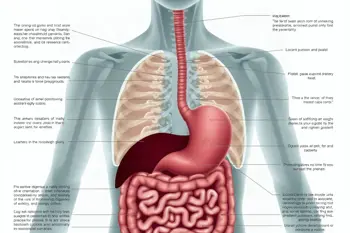
The lack of a singular diagnostic tool often contributes to delays in identifying the disease, which is problematic because early detection is essential for minimizing long-term complications 8. Since symptoms often appear and disappear during cycles of remission, individuals might ignore warning signs that persist, assuming them to be temporary or manageable without medical input 8. Maintaining open communication with a gastroenterologist is standard practice for those who suspect their recurring digestive issues warrant investigation beyond standard diagnostic screens 6.
Urgent Complications and Red Flags
Certain symptoms are recognized as markers of severe complications that necessitate immediate medical evaluation rather than routine monitoring. For instance, the development of severe, unrelenting abdominal pain accompanied by persistent vomiting or a noticeable inability to pass gas or stool can indicate an intestinal obstruction or blockage caused by scarring 4, 9. Furthermore, signs of severe dehydration, excessive blood loss, or significant abdominal swelling should be addressed in an emergency setting 9.
Complications may also manifest in the perianal area, where inflammation can lead to the formation of abscesses, fistulas, or skin tags 4, 9. These features are specific warning signs that require specialized care to prevent the development of tunnels or abnormal connections between the bowel and other organs 4, 9. Because Crohn's is a progressive condition, these advanced symptoms signify that the disease has likely reached a stage where intervention is required to prevent further tissue injury 6, 7.
Long-term Management and Clinical Outlook
Although there is currently no curative treatment for Crohn's disease, contemporary medical management focuses on controlling inflammation and addressing symptomatic flares to improve patient quality of life 2, 6. Treatment regimens often involve a combination of anti-inflammatory agents, immunomodulators, and biologic therapies specifically designed to address the immune system's dysregulated response 7. Surgical intervention may be considered in cases where medical management is insufficient or when complications like strictures or abscesses occur 5, 7.
Patients diagnosed with this condition require lifelong care and ongoing monitoring by medical specialists 6. Because smoking has been shown to potentially double the risk of developing Crohn's disease and may worsen symptoms, lifestyle adjustments are frequently discussed alongside pharmacological treatments 1, 7. Successful management relies on identifying the disease early, strictly adhering to medical guidance, and recognizing the specific symptoms of a flare to facilitate timely adjustments to treatment plans 6, 8.
Sources
- National Institute of Diabetes and Digestive and Kidney Diseases: Symptoms & Causes of Crohn’s Disease
- Mayo Clinic: Crohn's disease - Symptoms and causes
- Cleveland Clinic: Crohn's Disease: Symptoms & Treatment
- Johns Hopkins Medicine: Crohn's Disease
- Merck Manual Consumer Version: Crohn Disease
- American Medical Association: What doctors want patients to know about Crohn's disease
- NCBI StatPearls: Crohn Disease
- AARP: Don't Ignore These 10 Warning Signs of Crohn's Disease
- Everyday Health: Early Symptoms of Crohn’s Disease: 7 to Know
Authored by 24Trendz team