Warning signs of celiac disease: An analytical overview of clinical indicators
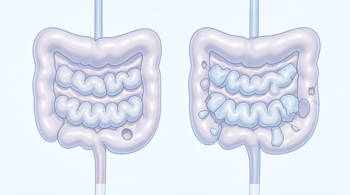
Celiac disease is a chronic autoimmune condition characterized by an abnormal immune response to the ingestion of gluten, a protein found in wheat, barley, and rye 2. When individuals with this condition consume gluten, the resulting immune reaction triggers inflammation that damages the lining of the small intestine 3. This damage, if left untreated, compromises the organ's ability to absorb essential nutrients effectively, a process known as malabsorption 2. Because this disease can manifest through a wide range of symptoms affecting various body systems, it is often termed a medical chameleon, complicating the diagnostic process 10.
Common Gastrointestinal Manifestations
The digestive system is frequently the primary site for symptom presentation, particularly in children, though adults also commonly report these issues 1. Gastrointestinal warning signs are often persistent and may include chronic diarrhea, abdominal bloating, and excessive gas 2, 4. Some individuals may also experience frequent abdominal pain, nausea, and vomiting 2. In certain cases, stool characteristics change, becoming oily or particularly foul-smelling due to the presence of unabsorbed fats, a clear indicator of intestinal malabsorption 6.
Extraintestinal Signs and Systemic Impacts
More than half of adults diagnosed with celiac disease present with symptoms that occur outside the digestive tract 2. Fatigue is one of the most prevalent systemic complaints, frequently reported by patients long before a formal diagnosis is reached 1. Other systemic markers include unexplained weight loss, joint or bone pain, and mouth-related issues such as recurrent canker sores, dry mouth, or a smooth, shiny tongue 1, 2. These symptoms underscore the reality that the systemic effects of nutrient malabsorption can influence overall physical well-being far beyond the small intestine 9.
Pediatric Indicators and Developmental Delays
In children, the inability to absorb nutrients during critical growth periods can have significant long-term consequences on physical development 1. Clinicians often observe signs such as failure to thrive, where an infant or child gains weight at a rate slower than expected for their age 1. Other diagnostic markers in younger populations include slowed growth, short stature, and delayed onset of puberty 1, 3. Furthermore, damage to the enamel of permanent teeth, including pitting or discoloration, serves as a structural warning sign of prolonged nutritional deficits 1.
Dermatological and Hematological Findings
Celiac disease is frequently linked to specific dermatological conditions, most notably dermatitis herpetiformis 1. This manifestation presents as a chronic, intensely itchy, and blistering skin rash that occurs in response to gluten ingestion 2. Alongside skin symptoms, hematological imbalances are common. Iron deficiency anemia is a frequent clinical finding because the damaged small intestine fails to absorb iron efficiently from the diet 2, 10. This anemia often persists despite standard iron supplementation, serving as a distinct clinical cue for medical professionals 9.
| Symptom Category | Specific Clinical Indicators |
|---|---|
| Digestive | Diarrhea, bloating, gas, abdominal pain, nausea |
| Pediatric | Failure to thrive, delayed puberty, tooth enamel defects |
| Systemic | Chronic fatigue, weight loss, joint pain |
| Neurological | Headaches, ataxia, peripheral neuropathy, brain fog |
| Reproductive | Infertility, missed periods, repeated miscarriages |
Neurological and Reproductive Associations
Long-term, untreated celiac disease can be associated with various neurological warning signs, including peripheral neuropathy, which manifests as numbness or tingling in the hands and feet 2. Patients may also report balance problems, seizures, or cognitive impairment, often referred to as brain fog 2. In women and girls, the condition is sometimes associated with reproductive complications, including infertility, delayed menarche, or repeated miscarriages 1. Male infertility has also been documented as a possible complication, highlighting the body-wide systemic nature of the condition 1.
Clinical Context and Diagnostic Reality
Celiac disease is currently recognized as an autoimmune disorder with a strong genetic component, occurring in approximately 1 in every 100 people 8. Given that symptom intensity can vary widely and some patients may experience mild or intermittent issues, many cases remain undiagnosed for extended periods 5, 8. Distinguishing celiac disease from non-celiac wheat sensitivity or wheat allergies is essential, as these conditions do not cause the same level of intestinal tissue damage 4, 9. Managing the condition primarily involves the strict removal of gluten from the diet, which often leads to the resolution of symptoms and the healing of the intestinal lining 6.
Sources
- National Institute of Diabetes and Digestive and Kidney Diseases - https://www.niddk.nih.gov/health-information/digestive-diseases/celiac-disease/symptoms-causes
- Mayo Clinic - https://www.mayoclinic.org/diseases-conditions/celiac-disease/symptoms-causes/syc-20352220
- Cleveland Clinic - https://my.clevelandclinic.org/health/diseases/14240-celiac-disease
- Penn Medicine - https://www.pennmedicine.org/conditions/celiac-disease
- Harvard Health Publishing - https://www.health.harvard.edu/digestive-health/celiac-disease-non-tropical-sprue-a-to-z
- MSD Manual - https://www.msdmanuals.com/home/quick-facts-digestive-disorders/malabsorption/celiac-disease
- Coeliac UK - https://www.coeliac.org.uk/about-coeliac-disease/symptoms-of-coeliac-disease/
- NHS Inform Scotland - https://www.nhsinform.scot/illnesses-and-conditions/stomach-liver-and-gastrointestinal-tract/coeliac-disease/coeliac-disease/
- Canadian Digestive Health Foundation - https://cdhf.ca/en/uncovering-the-hidden-symptoms-of-celiac-disease-what-you-need-to-know/
- General Medical Consensus on Celiac Manifestations - https://www.niddk.nih.gov/health-information/digestive-diseases/celiac-disease/definition-facts
Authored by 24Trendz team