Natural Remedies for Lower Back Pain: An Analysis of Clinical Research and Management Strategies
Lower back pain represents one of the most significant global health challenges, affecting an estimated 619 million people as of 2020, with projections suggesting this figure could reach 843 million by 2050 8. Given its status as a leading cause of disability, many individuals seek non-pharmacological strategies to restore function and mitigate discomfort before considering invasive procedures 5. Research consistently indicates that approximately 85% of lower back pain is classified as non-specific, often originating from muscle tension or lifestyle factors that respond effectively to conservative management 4.
Understanding the Mechanics of Lumbar Discomfort
The lumbar spine serves as a critical structural component, anchoring muscles required for fundamental movements like walking and lifting 1. When structural integrity is compromised, pain frequently arises from muscle or ligament strains, which are often the result of sudden movements, improper lifting techniques, or repetitive overuse 2. Additionally, nerve impingement caused by spinal stenosis, spondylolisthesis, or herniated discs can contribute to chronic or acute episodes 1. Clinical professionals observe that prolonged sedentary behavior, poor posture, and weak core musculature frequently exacerbate these underlying mechanical vulnerabilities 3, 8.
The Role of Physical Activity and Movement
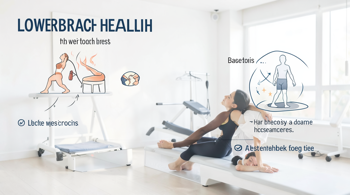
Modern clinical guidelines emphasize that prolonged bed rest is generally discouraged for uncomplicated back pain, as it can lead to deconditioning and delayed recovery 2, 5. Instead, experts advocate for maintaining activity levels as safely as possible to support spinal health 2. Targeted exercise programs, which may incorporate stretching, strengthening, and aerobic activity, are recognized as highly effective interventions for improving function in patients with chronic symptoms 4. Regular movement acts as both a therapeutic tool for immediate relief and a foundational strategy for long-term prevention 4.
Temperature Therapy and Topical Interventions
Heat and cold therapy remain foundational, accessible tools for managing acute or subacute lower back pain. Heat, such as a warm bath or a heating pad, is often recommended to alleviate muscle spasms and stiffness by increasing local blood flow to affected areas 3, 9. While cold therapy is frequently utilized in the initial 24 to 48 hours following a soft tissue injury to manage inflammation, heat is generally preferred for chronic or mechanical stiffness 9. These methods provide transient relief but are most effective when integrated into a broader, active rehabilitation plan 4.
Manual and Alternative Therapies
Various manual therapies offer evidence-based support for pain management. Spinal manipulation has been shown to provide modest improvements in pain and physical function for individuals dealing with acute or chronic lumbar issues 10. Furthermore, clinical research supports the use of acupuncture for short-term pain relief in specific patient populations 4, 5. Similarly, massage therapy may offer temporary symptom reduction, particularly when used in combination with exercise or physical therapy protocols, as it addresses muscle tension and fascial restrictions 4, 5.
Psychological and Mindfulness-Based Approaches
Managing the emotional and psychological toll of chronic pain is a growing focus within clinical guidelines. Mindfulness-based stress reduction and cognitive behavioral therapy (CBT) are increasingly recommended to help patients manage the distress associated with chronic lumbar conditions 4, 5. These interventions do not target the mechanical structure directly but address the neurobiological response to pain, potentially altering how the brain processes discomfort and improving overall quality of life 4.
Identifying When Medical Evaluation is Necessary
While many cases of back pain respond to home-based, non-pharmacological care, certain symptoms necessitate urgent medical assessment. Clinical protocols require immediate evaluation if back pain is accompanied by red-flag indicators, such as new bladder or bowel dysfunction, saddle numbness, progressive leg weakness, or unexplained weight loss 10. Additionally, major trauma or the presence of a fever alongside back pain warrants professional investigation to rule out serious underlying conditions 10. Routine imaging is often avoided in the absence of these symptoms, as findings from scans frequently do not correlate with clinical pain levels and may not improve patient outcomes 10.
Sources
- Cedars-Sinai: The Best Stretches and Exercises for Lower Back Pain
- Neurosurgery One: Lower Back Pain Self Care Guide
- Free Press Journal: Lower Back Pain Causes, Symptoms, Home Remedies And Relief Tips
- Health Passion Lab: Relieve Back Pain Naturally: 8 Proven Methods
- V Cure: What Are the Best Natural Ways to Treat Lower Back Pain?
- Mindful Movement Physical Therapies: How to Treat Back Pain at Home
- National Center for Biotechnology Information: Medication for the treatment of chronic back pain
- Audubon Park Chiropractic: How to Relieve Lower Back Pain Naturally
- NZ Herald: 3 science-backed remedies for low back pain that experts recommend
- National Center for Complementary and Integrative Health: Low Back Pain
Authored by 24Trendz team