Symptoms of Raynaud's phenomenon in fingers: A clinical overview of vasospastic mechanisms and patient presentation
Raynaud's phenomenon is a recognized vascular condition characterized by episodic, exaggerated vasospastic responses in the small blood vessels of the extremities, most notably the fingers 1. Often triggered by exposure to cold temperatures or emotional stress, these attacks result in temporary reductions in blood flow that manifest through distinct physiological changes 2. Understanding these symptoms is essential for distinguishing between idiopathic occurrences and potential underlying systemic conditions 6.
Physiological Manifestations of Vasospastic Attacks
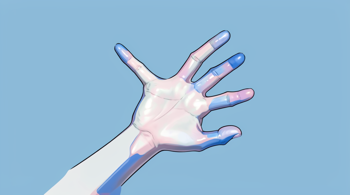
The hallmark of a Raynaud's episode involves a predictable, though not universal, progression of color changes in the digits 3. As small arteries constrict in response to triggers, blood flow is significantly limited, causing the skin to turn pale or white as it becomes deoxygenated 1. Subsequent to the pallor, the affected fingers may transition to a bluish or dusky hue, reflecting further oxygen depletion 3. These color changes are frequently accompanied by sensations of coldness, numbness, or a pins-and-needles feeling 1.
As the body initiates recovery and blood vessels begin to relax, circulation returns to the affected tissues, often causing the fingers to appear red or flushed 3. This rewarming phase can be particularly uncomfortable, frequently involving throbbing, tingling, or burning pain 4. While these attacks typically persist for minutes, they may last for several hours depending on the intensity of the trigger and the speed at which thermal regulation is restored to the extremities 3.
Distinctions Between Primary and Secondary Raynaud's
Clinical classification of Raynaud's phenomenon is bifurcated into primary and secondary forms, each presenting with different prognostic implications 7. Primary Raynaud's, or Raynaud's disease, occurs in the absence of other systemic pathologies and is generally considered a milder, self-limiting condition 4. It is frequently diagnosed in younger populations, with onset typically occurring between the ages of 15 and 30 9. Managing primary symptoms often involves non-pharmacological interventions such as avoiding extreme temperature drops and mitigating emotional stress 1.
Secondary Raynaud's phenomenon is associated with underlying systemic illnesses, such as autoimmune rheumatic diseases or connective tissue disorders like scleroderma 7. Unlike the primary form, secondary Raynaud's often manifests with greater intensity and asymmetry between the hands 9. Because this form is linked to vascular, hormonal, or structural health issues, it requires comprehensive clinical monitoring to prevent progressive complications 7. Diagnosis of the secondary form typically involves laboratory assessments for inflammatory markers and specialized imaging, such as capillaroscopy, to evaluate microvascular integrity 7.
Complications and Tissue Integrity Risks
While most episodes resolve without long-term damage, the recurring nature of vasospasms in secondary Raynaud's can lead to significant dermatological and structural complications 3. Persistent or severe restriction of blood flow may eventually result in dry, cracking skin, or the development of painful digital ulcerations 3. In rare, extreme instances of prolonged ischemia, patients may be at risk for tissue necrosis or gangrene, necessitating urgent clinical intervention 9.
Healthcare providers often emphasize that signs of skin breakdown or persistent, non-resolving discoloration on the fingertips serve as clinical warnings 9. These manifestations deviate from the standard, reversible episodic cycle of primary Raynaud's and require an investigation into potential triggers such as tobacco use, the use of vibrating tools, or specific medication side effects, such as those caused by beta-blockers 4. Monitoring these symptoms is critical for maintaining overall finger health and preventing long-term damage 4.
Clinical Evaluation and Monitoring Metrics
Diagnosis is primarily clinical, relying on a patient's documented history of color changes and triggers 9. However, clinicians often employ specific diagnostic tools to differentiate between forms. Laboratory tests such as C-reactive protein, erythrocyte sedimentation rate, and antinuclear antibody (ANA) titers are frequently utilized to rule out autoimmune involvement 7. These metrics help practitioners distinguish idiopathic cases from those potentially emerging from systemic sclerosis or other related conditions 7.
Functional diagnostic approaches may also include Doppler ultrasonography or specialized microvascular imaging 7. These tests assess the actual state of peripheral blood circulation and help identify macroangiopathy or other mechanical obstructions that might complicate the diagnosis 7. Because Raynaud's is a condition of the autonomic nervous system's response to stimuli, consistent tracking of symptom duration, frequency, and severity is often required to calibrate management strategies effectively 8.
Factors Influencing Symptom Severity
Several external variables are documented to exacerbate the severity of Raynaud's symptoms in the fingers. Environmental factors, specifically high-frequency exposure to cold air or frigid indoor conditions, are the most frequent catalysts for vasospastic response 3. Additionally, emotional stress can trigger the autonomic nervous system to induce rapid vascular constriction, proving that the condition is not solely a reaction to temperature 8. Lifestyle factors also play a measurable role in symptom management 1.
Smoking has been identified as a significant factor that may aggravate existing symptoms by further constricting blood vessels, potentially complicating the prognosis for those with secondary Raynaud's 9. Similarly, the use of industrial vibrating tools is documented as a contributor to secondary vascular dysfunction, requiring occupational assessments in clinical settings 4. By identifying and reducing exposure to these known exacerbants, individuals may potentially decrease the frequency or intensity of their episodes over time 9.
Prognosis and Long-term Management Perspectives
The prognosis for those with Raynaud's phenomenon varies based on the underlying etiology and the efficacy of adherence to management guidelines. For primary cases, modifications in daily activity, such as wearing insulating gloves and layering clothing, often provide adequate relief 3. When these lifestyle changes prove insufficient, calcium channel blockers are often cited in clinical literature as a pharmacological option to help relax and dilate the small blood vessels, thereby reducing the frequency of attacks 7.
Secondary Raynaud's requires a more nuanced approach, often involving a multidisciplinary team of rheumatologists and angiologists 7. Treatment in these cases centers on managing the root condition, whether it be an autoimmune disease or a structural vascular disorder 4. Regular follow-ups are necessary to assess for new symptoms or worsening of existing ones, particularly as persistent pain or the development of sores can signal a change in the severity of the vascular impairment 9.
Sources
- Cleveland Clinic: Raynaud's Syndrome
- Medscape: Raynaud Phenomenon
- Yale Medicine: Raynaud Syndrome Overview
- Houston Methodist: Raynaud's Phenomenon Symptoms and Treatment
- Mayo Clinic: Understanding Raynaud's Disease
- Radiopaedia: Raynaud Phenomenon Reference
- Scleroderma and Raynaud's UK: Causes and Mechanisms
- preLekára.sk: Raynaud's and Peripheral Ischemic Syndromes
- Sjögren's Foundation: Raynaud's and Associated Conditions
- Wikipedia: Raynaud Syndrome Clinical Summary
Authored by 24Trendz team