Effective ways to manage bloating naturally: A clinical overview of evidence-based strategies
Bloating is a prevalent digestive concern, affecting between 15% and 30% of the general population 4. It is characterized by a subjective sensation of abdominal fullness, pressure, or tightness, which may sometimes be accompanied by visible distension 1, 5. While mild expansion of the stomach is a natural component of the digestive process and the activity of gut bacteria, chronic or severe cases often signal underlying physiological imbalances 1. Understanding the causes is essential, as effective management is typically individualized rather than universal 1.
Common Mechanisms and Physiological Triggers
The primary mechanism behind most bloating involves the accumulation of gas, produced when gut bacteria ferment undigested carbohydrates in the colon 2, 7. These carbohydrates, often categorized as FODMAPs, generate hydrogen, methane, and carbon dioxide gas during the fermentation process 2. Additionally, approximately 65% to 70% of adults globally experience reduced lactase activity, which is a frequent contributor to gas-related discomfort after dairy consumption 2. Slow digestive motility and the ingestion of excess air through habits like chewing gum or consuming carbonated beverages also play significant roles in the physical manifestation of these symptoms 7, 8.
Hormonal factors, particularly in women, contribute to individual variations in sensitivity. Recent research indicates that estrogen can influence pathways in the colon that increase pain sensitivity, making the gut more reactive to specific dietary inputs 4. Furthermore, conditions such as small intestinal bacterial overgrowth (SIBO), celiac disease, and irritable bowel syndrome (IBS) often require diagnostic evaluation by a medical professional to rule out structural or inflammatory issues before attempting self-directed management 2, 9.
Dietary Modifications for Symptom Reduction
Dietary interventions serve as a foundational approach to managing bloating. Transitioning to smaller, more frequent meals can prevent the digestive system from becoming overwhelmed, thereby reducing post-meal distension 11. When increasing fiber intake to support regularity, it is critical to introduce fiber gradually; sudden changes can lead to increased gas production as the microbiome adjusts 11, 14. Proper hydration remains a prerequisite for effective fiber transit throughout the digestive tract, as insufficient fluid intake may exacerbate symptoms 11, 17.
For many individuals, identifying and limiting specific dietary triggers is a primary step. Common triggers include high-FODMAP foods, artificial sweeteners like sorbitol and mannitol, and, for those with identified sensitivities, lactose 11, 18. A structured, dietitian-led low-FODMAP diet is often used in clinical settings to identify individual thresholds for fermentation-related discomfort 6, 16. Foods frequently noted for their gentler profile include ginger, fennel, cucumber, cooked carrots, and plain yogurt, which may assist some individuals in maintaining comfort 3, 10.
Lifestyle Pillars and Physical Techniques
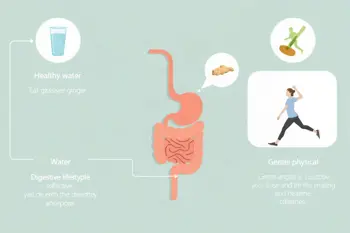
Beyond dietary choices, lifestyle modifications are essential for long-term gut health. Regular physical activity, including light walking or targeted yoga movements, stimulates intestinal motility and assists in the physical movement of gas through the digestive tract 11, 12. Diaphragmatic breathing and stress management techniques are also recommended, as the gut-brain axis plays a substantial role in how the body perceives digestive pressure and reacts to emotional or physical stress 6, 7.
Natural carminatives such as ginger and peppermint are widely recognized for their ability to soothe digestive muscles. Enteric-coated peppermint oil capsules, in particular, are often utilized in medical settings to help relax the smooth muscles of the gut and facilitate the release of trapped gas 6, 11, 13. Ginger is also noted for its potential to accelerate stomach emptying, which may decrease the time available for fermentation in the upper digestive system 11, 15.
Evaluating the Microbiome and Gut Health
The role of the microbiome in bloating is significant, as a diverse gut ecosystem is generally better equipped to manage fermentation efficiently. Incorporating probiotic-rich foods, such as sauerkraut, kefir, and certain types of yogurt, can support the balance of beneficial gut bacteria, which is essential for efficient digestion 11, 15. However, it is noted that probiotic effects vary, and specific strains like *B. infantis* 35624 have been highlighted in some clinical contexts for their potential impact on digestive comfort 6.
While self-care approaches are effective for many, it is imperative to distinguish between manageable gas and symptoms requiring clinical intervention. Root-cause investigations are necessary if bloating is accompanied by persistent pain, unexplained weight loss, blood in the stool, major changes in bowel habits, or persistent vomiting 1, 9. Relying on medical expertise to screen for conditions such as inflammatory bowel disease (IBD) or structural issues ensures that bloating is not masking a condition requiring specialized treatment 1, 2.
Clinical Perspective on Maintenance and Consistency
Evidence suggests that measurable improvements in digestive comfort often occur within two to four weeks of consistent dietary and lifestyle changes 10. The goal of these natural strategies is to rebuild gut resilience rather than provide a temporary fix. Sustained relief is generally associated with a holistic focus on plant variety, meal spacing, and the removal of identifiable triggers rather than the use of unverified detoxification protocols 6, 7, 10.
Patients are encouraged to maintain a log of food intake, stress levels, and symptom patterns to provide data for healthcare professionals to review 1. By treating bloating as a feedback mechanism rather than an isolated annoyance, individuals can work with clinicians to develop personalized, sustainable health strategies that address the root cause of the discomfort 9.
Sources
- Canadian Digestive Health Foundation: https://cdhf.ca/en/dietitian-approved-strategies-to-help-reduce-bloating/
- Superpower: https://superpower.com/guides/gut-health/reduce-bloating
- Acibadem Hospitals Group: https://acibademinternational.com/health-library/bloat-relieving-foods-benefits-risks-and-safe-use/
- WellnessZing: https://wellnesszing.com/how-to-reduce-bloating-naturally/
- Verdant Wellness: https://verdantwellness.co/blogs/debloat-gut-relief/natural-bloating-remedies-that-work
- Walton Surgery: https://waltonsurgery.co.uk/health/natural-remedies-for-bloating-and-gas-uk/
- GoGoMicrobiome: https://gogomicrobiome.com/blog/how-to-reduce-bloating/
- Medical News Today: https://www.medicalnewstoday.com/articles/321876
- Rachel Scheer: https://rachelscheer.com/the-real-cause-of-bloating/
- Mool Health: https://mool.health/blog/gas-bloating/foods-that-prevents-gas-and-bloating
- General Digestive Health Consensus: Various Institutional Guidelines
- Harvard Health Publishing: https://www.health.harvard.edu/digestive-health/what-causes-bloating
- National Center for Complementary and Integrative Health: https://www.nccih.nih.gov/health/peppermint-oil
- Mayo Clinic: https://www.mayoclinic.org/diseases-conditions/gas-and-gas-pains/in-depth/gas-and-gas-pains/art-20044739
- Healthline: https://www.healthline.com/nutrition/11-proven-ways-to-reduce-bloating
- Monash University: https://www.monashfodmap.com/ibs-central/i-have-ibs/starting-the-low-fodmap-diet/
- WebMD: https://www.webmd.com/digestive-disorders/ss/slideshow-bloating-reasons
- Verywell Health: https://www.verywellhealth.com/how-to-get-rid-of-bloating-4172605
Authored by 24Trendz team