Warning signs of fatty liver disease: Clinical findings, progression, and when evaluation matters
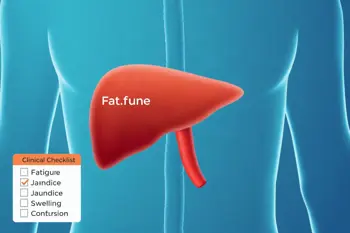
Warning signs of fatty liver disease can be difficult to recognize because the condition often causes no noticeable symptoms in its early stages. When symptoms do occur, persistent fatigue, weakness, or discomfort in the upper-right abdomen are among the better-established clues, while jaundice, swelling, confusion, or gastrointestinal bleeding can indicate more advanced liver complications. 1
Why fatty liver disease is often silent
Metabolic dysfunction-associated steatotic liver disease, formerly called nonalcoholic fatty liver disease, frequently produces few or no symptoms. Some people may remain symptom-free even after inflammation or cirrhosis develops, meaning the absence of discomfort does not reliably indicate that the liver is healthy. Fat accumulation is therefore often discovered during routine blood testing or abdominal imaging performed for another reason. 2
Symptoms are also not specific to fatty liver disease. Tiredness, nausea, weakness, appetite changes, and abdominal discomfort may arise from many other conditions. A symptom by itself cannot establish whether fat is present, whether inflammation has developed, or whether scarring is progressing. Clinical history, examination, laboratory testing, and imaging are needed to distinguish fatty liver disease from other causes of liver symptoms. 3
Early warning signs to monitor
Persistent fatigue is one of the most frequently reported possible symptoms when fatty liver disease becomes noticeable. The sensation may be accompanied by general weakness or feeling unwell. Another recognized clue is a dull ache, pressure, or sense of fullness in the upper-right abdomen, where the liver is located. These symptoms warrant medical discussion when they persist, recur, or occur alongside metabolic risk factors. 4
Loss of appetite and nausea may occur, although neither symptom is unique to liver disease. An enlarged liver can sometimes be detected during a physical examination, but it cannot be assessed reliably at home. Abnormal liver enzymes on blood tests may raise suspicion, yet normal enzyme levels do not consistently exclude fatty liver disease or clinically important fibrosis. Testing is consequently more informative than symptom tracking alone. 5
Warning signs of advanced liver involvement
Yellowing of the skin or whites of the eyes, known as jaundice, is a concerning sign that requires prompt medical evaluation. Fluid accumulation may cause abdominal enlargement or swelling in the legs. Severe itching, easy bruising, and other changes associated with impaired liver function may also appear as liver damage advances. These findings are not typical indicators of uncomplicated fat accumulation and should not be ignored. 6
Confusion, unusual sleepiness, or changes in mental status can signal serious liver complications. Vomiting blood or passing black, tarry stools may indicate gastrointestinal bleeding and requires emergency assessment. Advanced disease can involve ascites, an enlarged spleen, muscle loss, and other signs of cirrhosis. Such findings call for urgent clinical care rather than self-directed dietary or exercise changes. 7
Health factors that increase risk
Fatty liver disease is strongly associated with metabolic conditions, including overweight or obesity, insulin resistance, type 2 diabetes, high triglycerides, abnormal cholesterol, and high blood pressure. A large waist size combined with several of these findings may meet the definition of metabolic syndrome. The presence of more metabolic risk factors increases the likelihood of developing liver inflammation and clinically important scarring. 8
Alcohol-associated fatty liver disease is linked to alcohol intake, while metabolic dysfunction-associated disease may occur in people who drink little or no alcohol. Diets high in sugar, sugary beverages, and limited physical activity are among the lifestyle factors doctors consider during evaluation. Risk assessment should therefore include alcohol history, body measurements, blood glucose, lipid levels, medication history, and other possible causes of liver injury. 1
How clinicians investigate suspected fatty liver
Evaluation generally begins with a medical history and physical examination. Clinicians may check weight and height, look for an enlarged liver, and assess for signs of insulin resistance, such as darkened skin patches over the knuckles, elbows, or knees. They also review alcohol consumption and other causes of liver disease because similar imaging or laboratory findings can have different explanations. 9
Blood tests can identify abnormal liver enzymes and help assess related metabolic conditions, but they cannot by themselves measure the degree of fibrosis. Ultrasound and other imaging tests may detect fat or structural changes. Noninvasive fibrosis assessment can help estimate scarring risk, and a liver biopsy is sometimes considered when the diagnosis or severity remains uncertain. 10
Why follow-up matters after a warning sign
Fatty liver disease exists on a spectrum. Some people have fat accumulation with little immediate injury, while others develop steatohepatitis, fibrosis, cirrhosis, liver failure, or liver cancer. Progression is not inevitable, but symptoms and routine results cannot accurately predict an individual course. The clinically important question is whether inflammation or scarring is present, particularly among people with diabetes, obesity, or abnormal lipid levels. 8
Medical follow-up commonly focuses on identifying the cause, controlling associated metabolic conditions, and assessing fibrosis risk over time. Weight management, regular physical activity, healthier dietary patterns, and control of blood glucose and cholesterol are described as central elements of care for metabolic disease. Any persistent symptom, abnormal liver test, or advanced warning sign should be discussed with a qualified healthcare professional, with emergency care used for bleeding or acute confusion. 2
Sources
- National Institute of Diabetes and Digestive and Kidney Diseases, Symptoms & Causes of NAFLD & NASH
- Penn Medicine, Fatty Liver Disease: Symptoms and Causes
- MedlinePlus, Fatty Liver Disease
- National Health Service, Non-alcoholic Fatty Liver Disease
- U.S. Department of Veterans Affairs, Diagnosis of Nonalcoholic Fatty Liver Disease
- Mayo Clinic, Nonalcoholic Fatty Liver Disease: Symptoms and Causes
- Mount Sinai, Fatty Liver Disease
- American Association for the Study of Liver Diseases, NAFLD Practice Guidance
- National Institute of Diabetes and Digestive and Kidney Diseases, Diagnosis of NAFLD & NASH
- American Liver Foundation, Fatty Liver Disease
Authored by 24Trendz team