Effective ways to manage mild anxiety naturally: An evidence-informed guide
Effective ways to manage mild anxiety naturally generally begin with consistent daily habits rather than a single remedy. Guidance from NHS inform describes a cognitive behavioural therapy based self-help approach for mild-to-moderate anxiety, including managing worry, challenging unhelpful thoughts, grounding, problem solving, and gradually reducing avoidance. 1
Movement and time outdoors
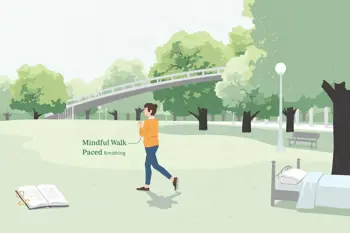
Regular physical activity is among the more consistently supported non-medication strategies for anxiety. A clinical review reports that both low- and high-intensity exercise reduce anxiety compared with doing nothing, while 30 to 45 minutes of aerobic activity three times weekly appears to be a useful target. The same source recommends beginning with approximately 10 minutes of brisk walking or another activity that raises the heart rate, then building gradually. 2
Outdoor activity may provide an additional setting for stress regulation. The reviewed evidence describes walking in nature as helpful even when the walk lasts about 20 minutes, and also identifies gardening as a potentially calming activity. These practices should be treated as repeatable routines, not emergency cures. Physical limitations, chronic illness, or exercise-related symptoms may require advice from a qualified clinician before activity is increased. 2
Breathing, mindfulness, and grounding
Anxiety can involve rapid breathing, physical tension, and racing thoughts. Paced breathing is intended to slow that cycle by emphasizing a longer exhalation. One health-system guide describes the 4-7-8 method as exhaling fully, inhaling for four seconds, holding for seven seconds, exhaling for eight seconds, and repeating three or four cycles. Breath holding can feel uncomfortable for some people, so the technique should be stopped if dizziness or distress develops. 10
Mindfulness, muscle relaxation, and self-directed digital exercises are identified as accessible approaches for people who are not using medication or regular psychotherapy. A JAMA Network summary also reports that mindfulness-based stress reduction performed comparably with commonly used antidepressants in studies of anxiety disorders, although that evidence concerns diagnosed disorders rather than every episode of everyday worry. NHS guidance additionally recommends grounding and examining unhelpful thought patterns. 2 4 1
Sleep and daily rhythm
Sleep loss can make emotional regulation more difficult and increase vulnerability to stress. Sleep Foundation material identifies sleep hygiene as important for mental health and describes a relationship in which anxiety can disrupt sleep, while poor sleep can intensify anxiety symptoms. A practical routine therefore includes consistent sleep and waking times, a predictable evening wind-down, and attention to factors that repeatedly interfere with rest. 7
Sleep improvements are more likely when treated as an ongoing pattern rather than a single night’s intervention. Anxiety that repeatedly prevents sleep, produces marked daytime impairment, or remains unexplained should not be attributed only to lifestyle. Medical assessment may be relevant because physical conditions, medication effects, sleep problems, thyroid issues, and heart-rhythm changes can contribute to anxiety-like symptoms. 7 3
Caffeine, alcohol, and nutrition
Caffeine can produce sensations that resemble or intensify anxiety, including palpitations, restlessness, and sleep disturbance. Cleveland Clinic guidance links caffeine intake with increased anxiety and recommends considering personal sensitivity when evaluating coffee, tea, energy drinks, and other sources. Reducing intake gradually may be more tolerable for people who use caffeine regularly, while tracking timing and symptoms can help identify patterns. 5
Alcohol may temporarily mask anxious feelings but can contribute to increased symptoms the following day, sometimes described as “hangxiety.” Nutritional guidance in the supplied research emphasizes balanced meals, complex carbohydrates, magnesium-containing foods, and omega-3 fatty acids as areas of interest, but supplements should not be assumed to treat anxiety. NIH information on omega-3 fatty acids discusses possible mood-related effects, while evidence for magnesium remains less definitive. 9 8
Thought management and social support
Self-directed CBT techniques focus on identifying anxious predictions, recording the situation and emotional response, examining evidence, and developing a more balanced interpretation. NHS inform places these exercises alongside worry management, problem solving, self-esteem work, grounding, and gradual confrontation of avoided situations. Avoidance can maintain anxiety by preventing a person from learning whether a feared outcome is likely or manageable. 1
Journaling can externalize repetitive thoughts and help reveal recurring triggers, while supportive relationships and community activities may reduce isolation and provide perspective. These methods do not require anxious feelings to disappear before normal activities resume. A measured approach is to record a concern, identify one practical action, and discuss persistent distress with a trusted person or healthcare professional rather than relying on repeated reassurance alone. 1 6
Limits, safety, and when to seek care
Natural strategies are most appropriate as self-care for mild symptoms that remain manageable and do not substantially disrupt work, education, relationships, or sleep. They are not substitutes for assessment when anxiety is persistent, worsening, severe, difficult to explain, or associated with panic attacks or depression. Supplements also carry potential interaction and safety issues, and claims that herbal products work like prescription medicines should be evaluated cautiously because evidence varies by product, dose, and person. 1 3 9
Urgent medical help is warranted for anxiety accompanied by chest pain, fainting, severe shortness of breath, or thoughts of self-harm. NHS inform directs people in distress, despair, or suicidal crisis in Scotland to NHS 24 on 111, and emergencies to 999. Elsewhere, local emergency services or crisis resources should be used. The central maintenance issue is consistency: sleep, movement, lower stimulant exposure, breathing, cognitive practice, and social connection generally require repeated use before their value can be judged. 1 3
Sources
- 1. NHS inform, Anxiety self-help guide: https://www.nhsinform.scot/illnesses-and-conditions/mental-health/mental-health-self-help-guides/anxiety-self-help-guide/
- 2. The Carlat Psychiatry Report, Non-Medication Strategies for Mild Anxiety: https://www.thecarlatreport.com/articles/5884-non-medication-strategies-for-mild-anxiety
- 3. Mayo Clinic, Anxiety diagnosis and treatment: https://www.mayoclinic.org/diseases-conditions/anxiety/diagnosis-treatment/drc-20350967
- 4. JAMA Network, Mindfulness-based stress reduction research: https://jamanetwork.com/journals/jamapsychiatry/fullarticle/2800816
- 5. Cleveland Clinic, How caffeine affects anxiety: https://health.clevelandclinic.org/how-caffeine-affects-your-anxiety
- 6. American Psychological Association, Nurtured by nature: https://www.apa.org/monitor/2020/04/nurtured-nature
- 7. Sleep Foundation, Anxiety and sleep: https://www.sleepfoundation.org/mental-health/anxiety-and-sleep
- 8. National Institutes of Health, Omega-3 fatty acids: https://ods.od.nih.gov/factsheets/Omega3FattyAcids-HealthProfessional/
- 9. WebMD, Alcohol and anxiety: https://www.webmd.com/mental-health/addiction/alcohol-and-anxiety
- 10. Baylor Scott & White Health, Natural remedies for anxiety: https://www.bswhealth.com/blog/9-natural-remedies-for-anxiety-you-can-try-at-home
Authored by 24Trendz team