Warning Signs of High Blood Pressure: An Analytical Guide to Clinical Indicators and Silent Risks
High blood pressure, clinically referred to as hypertension, is frequently characterized by the absence of overt warning signs, leading many medical professionals to label it a silent killer 1. Because this condition typically progresses without causing discomfort, individuals often remain unaware of their status until a routine examination or the onset of severe complications 7. Understanding the nature of blood pressure measurement and the physiological impact of elevated levels is essential for long-term health management 5.
The Silent Nature of Hypertension
The primary challenge in managing high blood pressure is the lack of reliable symptoms during the early and moderate stages of the condition 2. Research indicates that nearly half of American adults live with elevated blood pressure, yet many remain undiagnosed because they feel completely healthy 4. This absence of symptoms does not equate to an absence of risk; the persistent force of blood against artery walls can cause cumulative, invisible damage to vital organs, including the heart, brain, kidneys, and eyes, over several years 2. Relying on personal feelings as an indicator of blood pressure status is considered medically unreliable 7.
Understanding Measurement and Diagnostic Standards
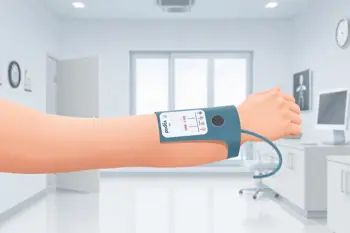
Blood pressure is measured using two numerical values expressed in millimeters of mercury (mm Hg): systolic and diastolic 5. The systolic pressure, the top number, reflects the force generated when the heart beats, while the diastolic pressure, the bottom number, represents the resistance within blood vessels between heartbeats 5. Medical guidelines categorize blood pressure readings into specific ranges, where readings consistently at or above 130/80 mm Hg are typically classified as hypertension 4. Achieving an accurate diagnosis requires careful, consistent monitoring, as external factors can influence individual readings 2.
| Category | Systolic (mm Hg) | Diastolic (mm Hg) |
|---|---|---|
| Normal | Less than 120 | Less than 80 |
| Elevated | 120 to 129 | Less than 80 |
| Stage 1 Hypertension | 130 to 139 | 80 to 89 |
| Stage 2 Hypertension | 140 and above | 90 and above |
Rare Manifestations and Secondary Indicators
While hypertension is largely asymptomatic, some clinical studies suggest that certain indirect indicators may correlate with the condition. For example, some research highlights a potential association between persistent nighttime urination and high blood pressure, potentially linked to altered kidney function or fluid retention 8. Additionally, while headaches, dizziness, nosebleeds, and facial flushing are not routine indicators, they may occur in instances of severely elevated blood pressure 9. Attributing these symptoms solely to blood pressure is discouraged, as they can stem from various unrelated medical issues 9.
Emergency Indicators and Hypertensive Crisis
When blood pressure reaches dangerously high levels, a condition known as a hypertensive crisis, clinical presentation changes significantly. A reading of 180/120 mm Hg or higher requires immediate medical verification; if the high reading persists after a five-minute rest, professional intervention is necessary 9. In the presence of acute symptoms such as severe chest pain, extreme shortness of breath, confusion, sudden vision changes, or neurological weakness, emergency services should be contacted immediately as these may signify imminent organ damage or stroke 7.
Risk Factors and Proactive Screening
The prevalence of hypertension rises across all age groups, necessitating proactive screening rather than waiting for symptomatic feedback 3. Known risk factors that influence the likelihood of developing hypertension include family history, excess salt intake, obesity, stress, diabetes, kidney disease, and sedentary lifestyle habits 7. Individuals with these factors, or those with a documented family history of the condition, are encouraged to engage in regular monitoring at home, local pharmacies, or primary care facilities to ensure early detection before complications arise 6.
Long-term Health Maintenance
Managing blood pressure is a multi-faceted endeavor that often combines lifestyle modifications with clinical oversight. Adopting heart-healthy habits such as reducing sodium consumption, increasing regular physical activity, managing weight, and minimizing alcohol intake are foundational elements for many clinical treatment plans 1. When lifestyle adjustments prove insufficient, physicians may prescribe one or more antihypertensive medications to achieve target levels. Consistent adherence to these regimens is vital, as the benefits of blood pressure control are most effective when treatment is sustained over time, even when the patient feels asymptomatic 1.
Sources
- Merck Manual Consumer Version: High Blood Pressure
- Harvard Health Publishing: High Blood Pressure (Hypertension)
- Mayo Clinic News Network: High Blood Pressure Prevention
- UC Davis Health: Blood Pressure Basics
- Harvard Health: Controlling Your Blood Pressure
- Scripps Health: High Blood Pressure Understanding Numbers
- Acibadem Hospitals Group: High Blood Pressure Symptoms
- EatingWell: Signs of High Blood Pressure
- Liv Hospital: High Blood Pressure Warning Signs
Authored by 24Trendz team