Care routines for foot soreness: A clinical overview of professional maintenance and recovery
Understanding the Mechanics of Foot Soreness
Foot soreness is frequently caused by the accumulation of mechanical stress, particularly in individuals who spend extended periods standing or walking on hard surfaces 1. The anatomy of the foot, specifically the heels and the ball of the foot, is designed to bear significant body weight, which can lead to hyperkeratosis, or the buildup of excess keratin in response to friction 5. Because the soles of the feet lack sebaceous glands, they cannot self-moisturize, making them highly susceptible to dryness, cracking, and fissure formation if not managed with a consistent external regimen 5.
Beyond skin health, persistent foot pain often arises from poor biomechanics, such as flattened arches or tight calf muscles 3. Chronic strain is compounded by footwear that provides inadequate support, causing the heel pad to expand laterally under pressure 5. Professional clinical guidelines emphasize that quick fixes are rarely effective, and true relief requires a sustained, multi-faceted routine that integrates daily hygiene, moisture management, and physical maintenance to alleviate both superficial discomfort and deeper muscular fatigue 2.
The Clinical Three-Step Repair Method for Skin Health
For individuals dealing with rough or callused skin, a structured, three-stage clinical process is often recommended to restore the skin's lipid barrier 8. The first step involves using a keratolytic agent, such as urea or lactic acid, which is necessary to chemically dissolve the protein bonds holding dead skin cells together 8. Standard emollients often fail because they cannot penetrate the thick stratum corneum without this initial chemical debridement to bypass the dead skin barrier 8.
Following chemical treatment, mechanical exfoliation of softened calluses can be performed, provided the skin is sufficiently hydrated 5. The final step in this clinical protocol is the application of an occlusive moisturizer, such as petroleum jelly, which seals the skin barrier to lock in hydration 8. This cycle should be maintained consistently for 7 to 10 days to observe meaningful changes in skin texture and to prevent the development of painful fissures 8.
Daily Baseline Routines for Pain Prevention
Establishing a daily foot care protocol is essential for preventing the progression of minor soreness into complex clinical issues 2. A fundamental baseline routine includes thorough washing and drying of the feet, followed by the regular application of a thick, emollient moisturizer to maintain hydration levels from the outside in 2. For high-risk individuals, such as those with diabetes, daily inspection of the feet is a critical, non-negotiable step to monitor for early signs of infection, ulcers, or pressure points 2, 6.
| Routine Element | Primary Benefit |
|---|---|
| Daily Inspection | Early detection of ulcers or skin lesions |
| Gentle Cleansing | Removes debris and reduces infection risk |
| Emollient Application | Prevents cracking and lipid loss |
| Cushioned Socks | Reduces friction and blister formation |
Managing Structural Soreness and Muscle Tension
When foot soreness is muscular or structural in nature, practitioners often utilize the RICE method-Rest, Ice, Compression, and Elevation-as an initial approach to reduce inflammation and acute discomfort 1, 10. To address deep-tissue tightness, rolling the arch of the foot over a frozen water bottle or a massage ball provides targeted myofascial release, which can help alleviate pain associated with the plantar fascia 10, 12. Additionally, consistent calf stretching is required to prevent the tightness that often drives chronic foot pain 11.
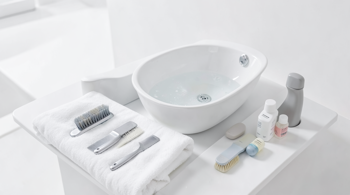
Beyond physical therapies, biomechanical support plays a central role in long-term soreness management. Footwear featuring proper arch support and cushioned insoles can redistribute pressure more evenly across the sole of the foot, significantly reducing the mechanical load during daily activities 10, 13. Weight management is also recognized as a key factor in reducing the cumulative stress placed on the feet, which can prevent the development of long-term structural issues 16.
Addressing Specific Foot Infections and Refractory Cases
Superficial cutaneous infections, including tinea pedis, plantar warts, and pitted keratolysis, require specific, targeted interventions rather than generalized foot care 18. Tinea pedis, caused by dermatophytes, is typically managed with topical antifungal treatments, while plantar warts may necessitate professional chemical or surgical destruction of the lesions 18. Pitted keratolysis, a bacterial condition, generally responds to topical antibiotics 18.
A recurring theme in podiatric literature is the necessity of foot hygiene to decrease local moisture, which is a major contributor to the growth of fungi and bacteria 18. If infections do not resolve with initial home-based or over-the-counter interventions, prompt referral to a podiatrist is critical, as untreated foot conditions can progress to involve deeper structures or more severe systemic complications 18.
Professional Monitoring and Diagnostic Criteria
Tracking results and understanding when to seek professional medical intervention are core components of any responsible foot care routine 1. For patients with chronic conditions or those failing to see improvement after several weeks of consistent self-care, a formal clinical assessment is required 1. This assessment often involves checking for underlying structural issues such as hammertoes, bunions, or flattened arches, which may require orthotic intervention rather than simple topical treatment 3.
Documentation of foot changes, such as the appearance of new calluses, changes in skin color, or recurring pain, allows for more accurate diagnostics by healthcare providers 9. By moving toward a culture of observation and hands-on assessment, individuals can better communicate their needs to podiatric specialists, ensuring that treatments are tailored to their specific biomechanical and dermatological requirements 9.
Sources
- Stride Foot & Ankle: Step-by-step foot care routines for pain relief
- YDA UK: Step-by-step foot care guide for comfort and support
- Henry Ford Health: How To Smooth Rough Feet
- NHS Lanarkshire: Personal Foot Care Patient Information
- BlushPicks: Foot Care Routine for Cracked Heels & Calluses
- Dove Medical Press: Patient-Centered Daily Foot Self-Care Protocol
- WEB WOC Programs: Routine Care of the Foot
- RapidRepair.blog: How to Repair Dry Rough Feet
- J-STAGE: Foot care for protecting the feet
- Cleveland Clinic: The RICE Method
- Mayo Clinic: Plantar Fasciitis Treatments
- WebMD: Foot Pain Remedies
- Harvard Health Publishing: Foot Pain and Problems
- Healthline: Contrast Bath Therapy
- National Institutes of Health: NSAID Usage
- Johns Hopkins Medicine: Weight Management and Foot Health
- Medical News Today: Physical Activity Modifications
- AAFP: Common Foot Infections in Adults
Authored by 24Trendz team