Foods that help manage uric acid naturally: An analytical overview of dietary interventions
Managing uric acid levels is a clinical objective often approached through a combination of pharmacological support and targeted dietary adjustments. While dietary changes typically offer a modest reduction in serum uric acid (SUA) concentrations compared to urate-lowering medications, they remain a foundational component of holistic health management 2. Approximately 90% of individuals with gout are categorized as under-excreters, meaning their kidneys do not effectively clear uric acid from the bloodstream 4. Consequently, the most effective dietary strategies focus on improving renal excretion and metabolic health rather than simply avoiding purine-rich foods 4.
The Role of Low-Fat Dairy and Renal Excretion
Evidence suggests that low-fat dairy products may play a significant role in managing uric acid through specific biological mechanisms. Certain milk proteins, notably casein and lactalbumin, possess uricosuric properties that appear to enhance the kidneys' ability to filter and excrete uric acid 4. Research has consistently indicated that the regular inclusion of low-fat dairy is associated with lower serum uric acid levels 4. These findings position low-fat dairy as one of the most evidence-supported food categories for individuals seeking to support their body's natural waste-clearing pathways 4.
Vitamin C and Citrus Fruits in Uric Acid Regulation
Citrus fruits, often cited for their vitamin C content, represent another area of interest in the management of hyperuricemia. Recent clinical trials, such as the HesperidrinC trial, have explored the effects of vitamin C and hesperidin on SUA levels in adults with baseline elevations 10. The study observed that higher plasma vitamin C levels were associated with a measurable decrease in serum uric acid, with more pronounced effects noted in individuals starting with higher baseline levels 10. While these results provide insight into the potential for nutritional intervention, it remains clear that dietary measures serve as a complement to, rather than a replacement for, standard medical care 2.
The Importance of Hydration and Whole Food Patterns
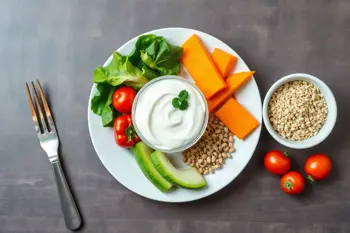
Adequate hydration is critical for managing uric acid as it facilitates the excretion of waste products through the kidneys 4. A consistent intake of water, ideally reaching 48 ounces or more daily, is recommended to help dilute uric acid concentrations in the blood 8. Beyond specific foods, adherence to a plant-forward, DASH-style eating pattern has been linked to improved metabolic health and lower uric acid levels 1. This dietary pattern, rich in vegetables, whole grains, and limited in processed sugars, supports systemic health and assists in the management of gout risk factors 8.
The Impact of Plant-Based Proteins and Cherries
The consumption of cherries and cherry-derived products is frequently discussed in the context of gout management due to their potential anti-inflammatory properties. Some observational data suggests that cherry intake may be linked to a reduced risk of gout flares, as they contain anthocyanins that may help mitigate inflammation 8. Additionally, moving toward plant-based proteins, such as tofu, beans, and lentils, is often recommended as a favorable alternative to high-purine animal proteins, such as organ meats and certain shellfish, which are known to potentially spike uric acid levels 6.
Metabolic Considerations and Risk Management
Hyperuricemia is fundamentally linked to metabolic factors, including obesity and kidney function, which dictate how the body processes purines 4. While weight management and gradual weight loss can contribute to lower SUA levels, it is vital to avoid crash diets or rapid weight loss, as these can temporarily increase uric acid and trigger gout symptoms 2. The clinical consensus emphasizes that lifestyle changes, including dietary modifications, are most effective when applied as a long-term strategy to complement necessary medical treatments, rather than as a standalone solution for patients with severe or recurrent symptoms 5.
| Dietary Strategy | Typical Uric Acid Reduction | Mechanism |
|---|---|---|
| Purine restricted diet | 0.5 to 1.5 mg/dL | Reduced intake |
| Weight loss (5-10%) | 0.5 to 2.0 mg/dL | Metabolic improvement |
| Hydration | Variable | Renal clearance support |
Understanding the Limitations of Natural Approaches
It is essential for individuals to maintain realistic expectations regarding what diet can achieve. A purine-restricted diet typically results in a modest reduction of uric acid, which is often insufficient to reach the clinical target of 6.0 mg/dL for patients with high baseline levels 5. Pharmaceutical interventions, such as xanthine oxidase inhibitors, are designed to lower SUA levels by 3 to 6 mg/dL and remain the primary recommendation for those with recurrent gout 5, 9. Any person experiencing symptoms such as joint inflammation, acute pain, or suspected kidney stones should seek formal medical evaluation rather than relying solely on home-based dietary changes 2.
Sources
- Harvard Health: What is the gout diet?
- Acibadem Hospitals Group: Gout Diet: Evidence-Based Benefits, Risks, and Practical Guidance
- Mediterranean Journal of Rheumatology: Effect of Diet and Dietary Supplements on Gout-Related Outcomes
- Urica App: Foods That Actually Lower Uric Acid: Evidence-Based Guide
- GoutPath: How to Lower Uric Acid Naturally
- Healthians: 6 Foods For High Uric Acid That Can Help Reduce Levels Naturally
- GoutSnap: How to Lower Uric Acid Levels Naturally
- Health.news: 6 Foods that naturally lower uric acid levels and prevent gout
- IJPS Journal: Xanthine oxidase inhibitor for the management of gout
- European Journal of Nutrition: HesperidrinC trial
Authored by 24Trendz team