Effective ways to manage high cholesterol naturally: A clinical perspective on lifestyle modifications
Managing cholesterol levels is a fundamental component of cardiovascular risk reduction, particularly given that approximately 25% of adults in the United States present with LDL cholesterol levels of 130 mg/dL or higher 2. Because high cholesterol is frequently asymptomatic, it often remains undetected until diagnosed through routine blood testing 3. While pharmacological interventions are standard for many, clinical evidence indicates that structural lifestyle changes can provide meaningful, measurable improvements in lipid profiles 10.
Dietary Strategies for Lipid Regulation
Nutritional therapy remains the first line of defense for modifying cholesterol levels. The primary objective is to reduce the intake of saturated fats found in red meats and full-fat dairy, which directly correlate with elevated LDL cholesterol 1. Simultaneously, individuals are advised to eliminate trans fats, historically found in partially hydrogenated vegetable oils, which significantly increase cardiovascular risk 1. Research confirms that a transition toward an overall healthy dietary pattern, prioritizing high-fiber foods and unsaturated fat sources, yields the most consistent benefits for vascular health 2.
The Role of Fiber and Plant Sterols
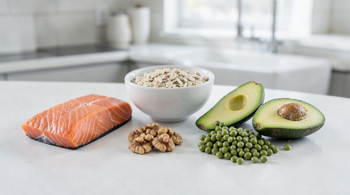
Incorporating soluble fiber is a proven method for reducing the absorption of cholesterol in the digestive tract. Clinical guidelines suggest an intake of 10 to 25 grams of soluble fiber daily to effectively lower LDL levels 10. Common sources include oats, beans, lentils, and various fruits 11. Furthermore, consuming plant sterols and stanols can inhibit the body’s ability to absorb cholesterol in the gut, providing an additional mechanism for lowering total cholesterol without the need for prescription intervention in mild cases 11.
| Dietary Component | Clinical Benefit | Recommended Sources |
|---|---|---|
| Soluble Fiber | Reduces cholesterol absorption | Oats, lentils, beans |
| Unsaturated Fats | Improves lipid profile | Avocados, olive oil, nuts |
| Omega-3 Fatty Acids | Lowers blood pressure/triglycerides | Salmon, mackerel, walnuts |
Impact of Physical Activity and Weight Management
Regular aerobic exercise is essential for improving the body’s lipid metabolism. Clinical data suggests that engaging in at least 150 minutes of moderate-intensity activity per week helps increase HDL, the 'good' cholesterol, which aids in transporting excess lipids away from the arteries 11. Additionally, weight loss of as little as 5% to 10% of total body weight has been demonstrated to produce significant improvements in cholesterol levels for overweight individuals, highlighting the importance of long-term weight management in cardiovascular health 11.
Addressing Tobacco and Alcohol Consumption
Smoking cessation is identified by health authorities as a critical action for rapid improvement in HDL levels and general arterial function 11. Beyond the avoidance of tobacco, the limitation of alcohol consumption is necessary for many patients. High intake of alcohol is closely associated with elevated triglyceride levels, which, when combined with high LDL or low HDL, significantly increases the risk of plaque accumulation in the arteries 8. Reducing or eliminating alcohol intake can assist in stabilizing these specific lipid markers 11.
Understanding the Limitations of Natural Therapies
While lifestyle changes are effective, it is important to acknowledge the limitations of dietary supplements. Many herbal products claim to support heart health, yet scientific evidence supporting their efficacy in lowering cholesterol is often limited or inconsistent 9. Healthcare providers generally do not recommend supplements as a primary treatment for hyperlipidemia. Patients are urged to consult with their medical team before adding any over-the-counter products, as these can interfere with existing medications or cause adverse interactions before surgical procedures 4.
Clinical Oversight and Risk Factors
While natural approaches offer substantial benefits, they are not a universal replacement for medical care. Factors such as genetics, age, and pre-existing conditions like type 2 diabetes or a history of heart disease may necessitate pharmacologic therapy alongside lifestyle changes 4. It is essential for individuals to understand their specific lipid levels and work with clinical professionals to establish a treatment plan that addresses both immediate risks and long-term prevention. Continuous monitoring ensures that the chosen strategy remains safe and effective for the individual's specific health profile 4.
Sources
- Mayo Clinic: Top 5 lifestyle changes to improve your cholesterol
- StatPearls: Dietary Therapy for LDL Cholesterol Reduction
- University of Rochester Medicine: How to Lower Cholesterol Naturally
- American Heart Association: Prevention and Treatment of High Cholesterol
- National Health Service (NHS): High cholesterol
- Cleveland Clinic: 7 Ways To Lower Your Cholesterol
- Harvard Health: 11 foods that can help lower your cholesterol
- Heart Foundation: Manage high blood cholesterol levels
- WebMD: Alternative Treatments for High Cholesterol
- Nolla Health: How to Lower Cholesterol: Diet, Exercise & Meds
- General Health Data: Cardiovascular Prevention and Metabolic Guidelines
Authored by 24Trendz team