Warning signs of leukemia: A clinical guide to symptoms and evaluation
The warning signs of leukemia most often discussed include persistent fatigue, repeated infections, unexplained bruising or bleeding, fever, night sweats, weight loss, swollen lymph nodes, and bone or joint pain. These symptoms are not specific to leukemia, but unusual, persistent, worsening, or combined symptoms warrant discussion with a healthcare professional. 1
Why leukemia produces symptoms
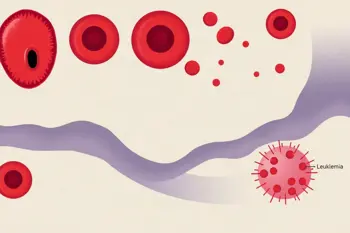
Leukemia begins in blood-forming tissue, especially the bone marrow, where abnormal cells can multiply and interfere with the production of healthy red blood cells, white blood cells, and platelets. Red cells carry oxygen, white cells help fight infection, and platelets support clotting, so reduced or abnormal production can create symptoms associated with anemia, infection risk, and bleeding. 4
The disease does not always create a solid tumor visible on ordinary imaging. Instead, abnormal blood cells may crowd out healthy cells, meaning that symptoms can reflect changes in blood counts and cell function. Some leukemias progress quickly, while chronic forms may develop slowly and produce few or no obvious early symptoms. 2
Fatigue, pallor, and breathing changes
Persistent or unusual fatigue is one of the commonly reported warning signs. It differs from occasional tiredness linked with poor sleep, stress, or a short-lived illness because it may continue despite rest and interfere with ordinary activities. Weakness, a general feeling of being unwell, dizziness, headaches, or a racing heartbeat may also occur when anemia reduces the blood's oxygen-carrying capacity. 1
Pale skin and shortness of breath, particularly during light activity, can accompany anemia-related symptoms. These findings have many possible causes and do not establish leukemia. Their significance increases when they are unexplained, persistent, or present alongside recurrent infections, unusual bruising, fever, or other changes in health. 3
Infections, fever, and night sweats
Frequent, persistent, severe, or lingering infections may occur when abnormal white blood cells do not function normally or when healthy white-cell production is reduced. Fever or chills can accompany infection or the disease process itself. Repeated illness that does not resolve as expected is therefore a pattern that deserves medical assessment rather than a leukemia diagnosis based on symptoms alone. 8
Night sweats are another reported symptom, especially when they are unexplained or drenching. Fever, chills, night sweats, and unexplained weight loss are sometimes grouped as systemic symptoms, but they can also occur with infections and other medical conditions. The timing, severity, recurrence, and combination of symptoms help clinicians decide what evaluation is appropriate. 9
Bruising, bleeding, and skin changes
Low platelet levels can impair normal clotting and may lead to easy bruising, frequent nosebleeds, bleeding gums, prolonged bleeding from a cut, blood in urine or stool, or unusually heavy menstrual bleeding. These signs can be particularly concerning when they appear without a clear injury or represent a marked change from a person's usual pattern. 7
Petechiae are tiny red or purple spots that can appear when small amounts of blood leak under the skin. They may occur with other bleeding symptoms, although skin spots have numerous possible causes. Unexplained bruising or bleeding should be assessed clinically, especially if it is persistent, increasing, or accompanied by severe fatigue, fever, or repeated infections. 3
Pain, swelling, and weight changes
Leukemia may cause aching or tenderness in bones and joints, with discomfort reported in areas such as the legs, arms, back, or ribs. Pain that interferes with sleep or daily activities is a symptom requiring attention, but it is not unique to leukemia. Musculoskeletal injuries, infections, inflammatory conditions, and other disorders can produce similar symptoms. 8
Painless swollen lymph nodes may develop in the neck, armpits, or groin. Abdominal discomfort, swelling, or feeling full after eating a small amount can occur when the spleen or liver becomes enlarged. Unexplained weight loss or appetite loss is also reported, particularly when it occurs with systemic symptoms or other blood-count-related changes. 3
Acute and chronic patterns
Acute leukemias, including acute lymphoblastic leukemia and acute myeloid leukemia, generally cause symptoms relatively quickly and may become severe as abnormal cells accumulate and healthy blood-cell production falls. A person can therefore experience a rapid combination of fever, infection, fatigue, bruising, bleeding, or bone pain rather than one isolated symptom. 3
Chronic leukemias, including chronic lymphocytic leukemia and chronic myeloid leukemia, may progress more gradually. Some people have few symptoms initially, and the condition may first be suspected after an abnormal routine blood test. This difference means the absence of symptoms does not completely exclude leukemia, while the presence of symptoms does not confirm it. 2
When medical evaluation is appropriate
Medical advice is appropriate for unexplained symptoms that persist, worsen, recur, or appear in combination. Particular patterns include repeated infections, unusual bleeding, severe or persistent fatigue, unexplained fever, ongoing night sweats, unintentional weight loss, swollen lymph nodes, or bone and joint pain. Some rapidly developing leukemias can make a person suddenly very unwell and require urgent clinical attention. 1
- Breathing problems, visual changes, confusion, vomiting, or other sudden neurological symptoms require urgent medical assessment because they can occur with very high white-cell levels in rare acute complications. 8
- Symptoms alone cannot diagnose leukemia because viral illnesses, anemia, other blood disorders, and many noncancerous conditions can look similar. 5
- A complete blood count is a commonly used initial test, while additional blood testing and sometimes bone marrow examination may be needed to confirm the cause. 1
How symptoms are interpreted in children
Children can show the same broad warning signs as adults, including fever, frequent infections, bruising or bleeding, weakness, weight loss, swollen lymph nodes, abdominal swelling, and bone or joint pain. Changes in movement, limping, reluctance to walk, reduced appetite, or unusual irritability may also be reported in childhood acute lymphoblastic leukemia. 10
No single symptom is a reliable screening method. Evaluation considers duration, severity, medical history, examination findings, and blood-test results. A clinician may investigate common explanations first while arranging further testing when blood counts or the overall pattern raise concern. This approach helps distinguish leukemia from more frequent causes of similar symptoms. 6
Sources
- Leukaemia UK, “Signs and Symptoms of Leukaemia,” https://www.leukaemiauk.org.uk/about-leukaemia/signs-symptoms/
- Cleveland Clinic, “Leukemia: Symptoms and Treatment,” https://my.clevelandclinic.org/health/diseases/4365-leukemia
- UT MD Anderson Cancer Center, “12 Top Leukemia Symptoms & Signs,” https://www.mdanderson.org/cancer-types/leukemia/leukemia-symptoms.html
- Penn Medicine, “Leukemia: Symptoms and Causes,” https://www.pennmedicine.org/conditions/leukemia
- Acibadem Hospitals Group, “Symptoms of Leukemia: Common Causes, Related Conditions, and When to See a Doctor,” https://acibademinternational.com/health-library/symptoms-of-leukemia-common-causes-related-conditions-and-when-to-see-a-doctor/
- Merck Manual Professional Edition, “Overview of Leukemia,” https://www.merckmanuals.com/professional/oncology/leukemias/overview-of-leukemia
- Leukaemia Foundation, “Blood Cancer Signs and Symptoms,” https://www.leukaemia.org.au/blood-cancer-information/blood-cancer-signs-and-symptoms/
- Blood Cancer UK, “Blood Cancer Symptoms and Signs,” https://bloodcancer.org.uk/understanding-blood-cancer/about-blood-cancer/blood-cancer-signs-symptoms/
- Prevention, “The Number-1 Sign of Leukemia Doctors Say You Should Know,” https://www.prevention.com/health/a70839035/top-sign-of-leukemia/
- NHS information reproduced by ERGSY, “Leukaemia: What Are the Signs and Symptoms?” https://ergsy.com/information/leukaemia-what-are-signs-and-symptoms-nhs/orphans
Authored by 24Trendz team