How to manage high blood pressure at home: An Analysis of Clinical Monitoring and Lifestyle Strategies
The Importance of Clinical Home Monitoring
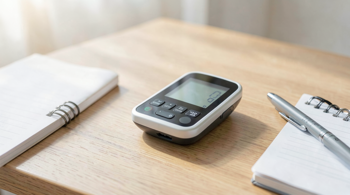
Managing hypertension begins with obtaining an accurate understanding of your baseline blood pressure readings. A single reading at a medical facility can often be influenced by external factors like stress or the morning rush, leading to potential inaccuracies 1. Home blood pressure monitoring allows individuals to track fluctuations over time, providing a more comprehensive data set for healthcare providers to review 1. This practice is particularly beneficial for those experiencing white-coat hypertension or labile hypertension, as it reduces the anxiety often associated with office-based assessments 1.
Healthcare professionals emphasize that home monitoring serves as a diagnostic tool that, when shared, helps in fine-tuning treatment strategies 1. By monitoring consistently, individuals become more engaged in their cardiovascular health, potentially identifying patterns before they escalate into serious health concerns 1. Accurate records help clinicians differentiate between temporary spikes and persistent elevation, ensuring that treatment plans are based on longitudinal data rather than isolated, anecdotal events 4.
Standardized Procedures for Accurate Readings
Obtaining precise readings requires strict adherence to proper techniques, as incorrect positioning or timing can cause readings to deviate by 10 to 40 points 3. Individuals are advised to remain still and avoid stimulants such as caffeine, tobacco, or intense physical exercise for at least 30 minutes before taking a measurement 3. Using a validated upper-arm cuff device is considered the gold standard for accuracy in the home environment, as wrist monitors can often lead to less reliable results depending on limb positioning 6.
To ensure device reliability, it is recommended to bring the home monitor to clinical appointments once a year for calibration against professional equipment 3. When performing the measurement, the arm should be supported at heart level, and the cuff must be sized correctly to the upper arm 4. Maintaining this level of consistency helps in building a reliable diary of readings, which serves as a foundation for effective communication with medical teams regarding long-term health trends and the efficacy of prescribed interventions 7.
Understanding Blood Pressure Categories
Blood pressure is recorded as two distinct values: systolic pressure, which measures force during heart contraction, and diastolic pressure, which indicates resistance during the rest phase between heartbeats 5. Clinical guidelines define normal blood pressure as less than 120/80 mmHg 5. Readings that fall between 120-129 systolic (with diastolic less than 80) are classified as elevated 5. Stage 1 hypertension is identified when systolic ranges from 130-139 or diastolic is 80-89, while Stage 2 begins at 140/90 mmHg 5.
It is critical to distinguish between these categories and hypertensive crisis, which involves systolic readings exceeding 180 or diastolic exceeding 120 5. In the event of a hypertensive crisis, especially when accompanied by symptoms such as chest pain, shortness of breath, blurred vision, or weakness, immediate medical intervention is required 4. Understanding these thresholds helps individuals identify when lifestyle adjustments are sufficient and when professional guidance or pharmacological intervention becomes medically necessary 7.
Dietary Modifications for Hypertension Control
Dietary patterns are a cornerstone of non-pharmacological blood pressure management. The DASH (Dietary Approaches to Stop Hypertension) diet is highly recommended, as it emphasizes the consumption of fruits, vegetables, and low-fat dairy products 10. Reducing sodium intake is equally vital, with current clinical targets aiming for a daily limit below 2,300 mg, and an ideal target of 1,500 mg per day for optimal cardiovascular health 1. These changes help manage the electrolyte balance that influences fluid retention and vascular resistance 8.
Potassium-rich foods play a significant role in mitigating the negative effects of sodium, helping to relax blood vessel walls and lower overall pressure 8. Individuals are encouraged to limit processed foods, which often contain hidden sodium, in favor of whole, nutrient-dense options. Adopting these eating habits can significantly support long-term control, particularly for those with comorbidities like type 2 diabetes or existing cardiovascular risk factors, provided these adjustments are supervised by healthcare professionals 2.
Physical Activity and Lifestyle Habits
Regular aerobic exercise is a proven strategy for reducing blood pressure over time. The established recommendation involves engaging in at least 150 minutes of moderate-intensity physical activity, such as brisk walking, per week 7. Physical activity strengthens the heart muscle, allowing it to pump blood with less effort, which directly reduces the pressure exerted on arterial walls 7. Weight management is another essential factor, as blood pressure frequently trends upward alongside increases in body mass 2.
In addition to exercise and weight control, limiting alcohol consumption is crucial for maintaining safe pressure levels; specifically, guidelines suggest one drink per day for women and two for men 4. Furthermore, smoking cessation is vital, as tobacco usage causes immediate, temporary spikes in blood pressure while contributing to long-term structural damage to arterial linings 9. Managing chronic stress through techniques such as meditation or deep breathing exercises further supports the physiological stability required for effective hypertension management 5.
When to Seek Professional Medical Care
While home management through lifestyle modification is effective for many, it does not replace the need for regular professional oversight. Hypertension is frequently described as a silent killer because it rarely presents with noticeable symptoms until significant damage has occurred to the heart, kidneys, or brain 7. Even mildly uncontrolled hypertension can lead to vessel narrowing and increased plaque buildup, which elevates the risk of stroke and heart disease over time 8.
If home readings remain consistently high despite strict adherence to lifestyle and dietary changes, medical professionals must evaluate the need for pharmacotherapy 7. Treatment plans must be highly personalized, taking into account individual comorbidities, age, and existing risk factors 4. Regular follow-up appointments allow doctors to monitor the impact of any changes, ensuring that the management strategy remains effective and that the individual is protected against the cumulative effects of untreated high blood pressure 7.
Sources
- Harvard Health Publishing: Monitoring blood pressure at home
- National Institute for Health and Care Excellence (NICE): Hypertension in adults: diagnosis and management
- Sharp HealthCare: 5 tips for managing blood pressure at home
- Acibadem Hospitals Group: High Blood Pressure: Home Monitoring and Lifestyle Steps
- Geisinger: How to reduce high blood pressure
- Healthline: Ways to lower blood pressure at home
- National Institutes of Health (NIH): Hypertension treatment guidelines
- Medical News Today: Benefits of potassium-rich foods
- Harvard Health Publishing: The DASH diet for blood pressure
- American Heart Association: DASH diet and sodium reduction
Authored by 24Trendz team