Early symptoms of Sleep Apnea you should know: A clinical guide to overlooked warning signs
How sleep apnea disrupts breathing
Sleep apnea causes repeated interruptions in breathing during sleep. An apnea commonly lasts between 10 and 30 seconds, although episodes can last longer, and severe cases may involve many interruptions in one night. These events reduce sleep quality because the brain briefly arouses the person to restart breathing, often without a remembered awakening in the morning. Untreated sleep apnea is also associated with a higher likelihood of high blood pressure. 1
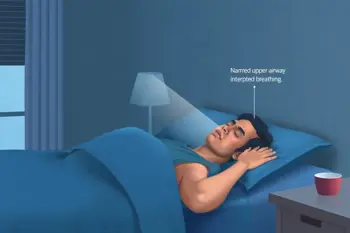
Obstructive sleep apnea is the most common form and occurs when relaxed throat muscles and surrounding tissue narrow or block the upper airway. Central sleep apnea has a different mechanism: the brain does not send consistent signals to the muscles responsible for breathing. Because both forms may fragment sleep without fully waking the individual, early symptoms often appear during the day rather than as an obvious nighttime breathing crisis. 4
Nighttime warning signs
Loud, persistent snoring is one of the best-known early indicators of obstructive sleep apnea, particularly when it is interrupted by snorting, choking, or gasping. Snoring alone does not establish a diagnosis, since occasional light snoring can have other causes. However, habitual loud snoring combined with daytime tiredness or witnessed breathing pauses is more concerning and warrants discussion with a qualified clinician. 7
A bed partner may notice pauses in breathing before the sleeper does. Other nighttime clues include sudden gasping, restless sleep, repeated awakenings, or difficulty staying asleep. These events can be brief and are frequently forgotten, so people who sleep alone may remain unaware of them. The absence of dramatic choking does not rule out sleep apnea, because some people snore lightly or not at all. 2
Morning symptoms that are easy to dismiss
Waking with a dry mouth or sore throat can indicate mouth breathing during sleep, especially when the symptom occurs repeatedly rather than after an isolated night. Morning headaches, often described as a dull or pressing discomfort in the frontal area, are another reported symptom. Changes in oxygen and carbon dioxide during repeated breathing interruptions may contribute, although headaches also have many unrelated causes. 8
Sleep apnea can leave a person feeling unrefreshed despite spending what appears to be a full night in bed. The problem is not necessarily the number of hours spent asleep, but the repeated disruption of restorative sleep stages. A pattern of waking tired, needing substantial caffeine to function, or feeling unable to recover by sleeping longer on weekends is more significant than a single poor morning. 3
Daytime effects on alertness and thinking
Excessive daytime sleepiness may appear as unintentional dozing while reading, watching television, attending a meeting, or sitting quietly. Persistent sleepiness is clinically important because it can impair alertness during routine activities, including driving. Fatigue and sleepiness are related but not identical: fatigue describes low energy, while sleepiness involves an increased tendency to fall asleep. Both can occur with sleep apnea, but either can also have other medical explanations. 15
Difficulty concentrating, forgetfulness, slowed thinking, and a feeling of mental fog are additional early clues. Repeated arousals can interfere with the sleep structure needed for attention, memory, and executive function. Irritability, low motivation, and mood changes may also develop when poor-quality sleep continues. These symptoms are nonspecific, so their value increases when they occur alongside snoring, witnessed pauses, morning headaches, or unrefreshing sleep. 9
Less obvious symptoms and risk patterns
Frequent nighttime urination, known as nocturia, is a documented symptom associated with obstructive sleep apnea. Repeated awakenings may also be mistaken for insomnia, particularly when a person remembers being awake but not the breathing event that caused the arousal. Some patients report trouble falling back asleep or fragmented sleep rather than obvious gasping. These symptoms should be considered in the broader context of age, medications, fluid intake, and other conditions. 11
Reduced libido or sexual dysfunction can occur alongside chronic sleep disruption and may be associated with sleep apnea. Mood symptoms, including irritability or depression, have also been linked with persistent untreated apnea. These signs are not specific enough to identify sleep apnea independently, and they should not be attributed to it without assessment. Their importance lies in recognizing a possible pattern when several sleep and daytime symptoms occur together. 12
Why symptoms may be missed
Many people do not recognize their own breathing interruptions because the arousals are short and may not enter conscious memory. People who sleep alone may have no observer to report pauses, gasping, or unusual movements. In addition, not everyone with obstructive sleep apnea snores loudly. Cleveland Clinic reports that fewer than half of obstructive sleep apnea cases present without audible snoring, meaning quiet or intermittent snoring remains possible. 2
Symptoms are also commonly attributed to stress, aging, a demanding schedule, or simply being a poor sleeper. The condition can affect people who do not match a stereotypical image of sleep apnea, and the presentation may vary by individual. A symptom checklist cannot confirm the disorder. Clinical evaluation generally considers medical history, observed symptoms, sleep patterns, and whether a home or laboratory sleep study is appropriate. 5
When evaluation becomes important
Repeated symptoms, especially loud habitual snoring, witnessed pauses, gasping, morning headaches, or persistent daytime sleepiness, provide a reasonable basis for medical evaluation. The apnea-hypopnea index, measured during a sleep study, classifies sleep apnea by the number of breathing pauses and shallow-breathing events per hour. Mild sleep apnea is commonly defined as 5 to 15 events per hour. Symptom severity and health effects do not always correspond perfectly to a person’s perception. 6
Untreated sleep apnea can affect daytime alertness and may increase the risk of motor vehicle accidents; Harvard Health reports that affected people may be up to seven times more likely to be involved in such accidents. It is therefore important to take unintended sleep episodes while driving seriously and avoid driving when dangerously sleepy. Evaluation also matters because treatment choices depend on the type and severity of apnea, underlying anatomy, and overall medical history. 1
Sources
- Harvard Health, Sleep Apnea: https://www.health.harvard.edu/sleep/sleep-apnea-a-to-z
- Cleveland Clinic, Sleep Apnea Without Snoring: https://health.clevelandclinic.org/can-you-have-sleep-apnea-without-snoring
- Franciscan Health, Sleep Apnea Symptoms To Know: https://www.franciscanhealth.org/community/blog/sleep-apnea-symptoms-to-know
- Acibadem Hospitals Group, Sleep Apnea: Symptoms, Health Risks, and Treatment Options: https://acibademinternational.com/health-library/sleep-apnea-symptoms-health-risks-and-treatment-options/
- Sliiip, The First Signs of Sleep Apnea Most People Ignore: https://sliiip.com/first-signs-of-sleep-apnea-most-people-ignore/
- SleepApnea.org, Mild Sleep Apnea: Symptoms, Causes, and Treatment: https://www.sleepapnea.org/mild-sleep-apnea/
- Mayo Clinic, Sleep Apnea Symptoms and Causes: https://www.mayoclinic.org/diseases-conditions/sleep-apnea/symptoms-causes/syc-20377631
- Cleveland Clinic, Sleep Apnea: https://my.clevelandclinic.org/health/diseases/8718-sleep-apnea
- Johns Hopkins Medicine, Obstructive Sleep Apnea: https://www.hopkinsmedicine.org/health/conditions-and-diseases/obstructive-sleep-apnea
- Sleep Foundation, Sleep Apnea Symptoms: https://www.sleepfoundation.org/sleep-apnea/symptoms
- National Council on Aging, Sleep Apnea Symptoms: https://www.ncoa.org/adviser/sleep/sleep-apnea-symptoms/
- American Sleep Association, Obstructive Sleep Apnea: https://www.sleepassociation.org/sleep-apnea/obstructive-sleep-apnea/
- Healthline, Sleep Apnea Symptoms: https://www.healthline.com/health/sleep-apnea/symptoms
- WebMD, Sleep Apnea Severity and the Apnea-Hypopnea Index: https://www.webmd.com/sleep-disorders/sleep-apnea/ss/slideshow-sleep-apnea
- National Heart, Lung, and Blood Institute, Sleep Apnea: https://www.nhlbi.nih.gov/health/sleep-apnea
Authored by 24Trendz team