Lifestyle Changes That May Help Lower Blood Pressure: Evidence-Based Guidance
Lifestyle changes that may help lower blood pressure include eating patterns, activity, weight management, sodium reduction, stress control, sleep, and regular monitoring. High blood pressure often has no symptoms, yet prolonged elevation can increase the risk of heart disease, stroke, kidney damage, vision loss, and cognitive decline. 1
Dietary patterns and sodium reduction
The DASH eating plan emphasizes vegetables, fruits, whole grains, fat-free or low-fat dairy products, fish, poultry, beans, nuts, and vegetable oils. It limits saturated and trans fats, sugar-sweetened beverages, and foods high in sodium. For a 2,000-calorie pattern, the National Heart, Lung, and Blood Institute lists 2,300 milligrams of sodium daily, while 1,500 milligrams can lower blood pressure further. 2
Salt reduction is particularly relevant because excess sodium causes the body to retain water, which can raise blood pressure. Much of the sodium in typical diets comes from processed foods, ready meals, soups, sauces, and processed meats rather than the salt shaker. Reading labels, cooking from scratch, and using herbs and spices instead of salt are practical ways to reduce intake. 3
Physical activity and weight management
Regular movement is a central part of blood pressure management. Guidance summarized in the research recommends about 150 minutes of moderate activity each week, such as brisk walking, although the appropriate starting level depends on a person’s health and current fitness. Physical activity can support heart health and may produce measurable blood pressure improvement after one to three months of consistent participation. 4
Weight management can also affect blood pressure. Mayo Clinic reports that blood pressure might fall by about 1 millimeter of mercury for each kilogram of weight lost in general, although individual responses vary. Even a small reduction may help people who are overweight or have obesity. Waist size is also relevant, with higher risk identified above 40 inches for men and 35 inches for women in the cited guidance. 1
Alcohol, tobacco, and food quality
Limiting alcohol is commonly included among lifestyle measures for cardiovascular health and blood pressure control. The research information identifies a general limit of one drink per day for women and two for men. Individual advice may differ because of medical conditions, medication interactions, pregnancy, or previous alcohol-related problems. Alcohol reduction should therefore be considered alongside a clinician’s assessment rather than as a stand-alone treatment. 5
Stopping smoking is another important risk-reduction measure. Nicotine can temporarily increase blood pressure and contributes to damage of blood vessel walls, while tobacco exposure adds to cardiovascular risk. Heart-healthy food choices include potassium-rich fruits and vegetables, whole grains, legumes, nuts, seeds, lower-fat dairy, and fish. Potassium intake may need medical review in people with kidney disease or certain medications. 6
Stress, sleep, and related conditions
Prolonged stress can keep blood pressure higher for longer periods. Techniques such as deep breathing, meditation, yoga, and regular physical activity may help manage stress responses, though they should not be presented as substitutes for evaluation or treatment. The evidence describes stress reduction as one component of a broader lifestyle pattern, with results depending on consistency and on the causes of an individual’s blood pressure elevation. 7
Sleep is also relevant to blood pressure regulation. Recent research reviews identify sleep as a cardiovascular health factor and describe a well-established relationship between obstructive sleep apnea and hypertension. Loud snoring, interrupted breathing during sleep, or persistent daytime tiredness may warrant medical assessment. Treating an underlying sleep disorder can be important when lifestyle changes alone do not address elevated readings. 8
Home monitoring and realistic expectations
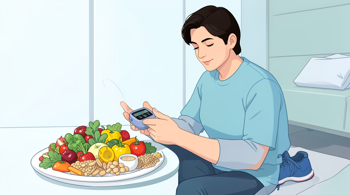
Home blood pressure monitoring can provide a broader picture than occasional clinic readings. Keeping a diary of readings allows patterns to be discussed with a doctor or nurse and can help assess whether lifestyle or treatment changes are working. Measurements should be interpreted in context because a single reading does not establish a diagnosis, and technique, cuff fit, activity, stress, and timing can influence results. 3
Improvement is not always immediate. Dietary changes may affect readings within a couple of weeks, while regular exercise may take one to three months to show a clear reduction. Results vary according to starting blood pressure, genetics, weight, sleep, sodium intake, existing disease, and adherence. Lifestyle measures can prevent, delay, or lessen the need for medicine in some people, but not everyone can control hypertension without medication. 4
Safety limits and treatment decisions
Lifestyle changes should complement, not automatically replace, prescribed blood pressure treatment. Research reviews describe dietary modification, physical activity, weight management, and stress reduction as strategies that can work alongside antihypertensive medicines. Stopping or changing medication without clinical guidance can leave blood pressure uncontrolled. People with kidney disease, heart disease, diabetes, pregnancy, or medication-related restrictions should receive individualized advice before making major dietary or exercise changes. 6
Blood pressure above 180/120 millimeters of mercury is identified in the supplied research as a medical emergency requiring care right away. Symptoms such as chest pain, shortness of breath, weakness, confusion, vision changes, or severe headache increase concern, although high blood pressure can also occur without symptoms. Persistent elevated readings, uncertainty about targets, or suspected sleep apnea should be reviewed by a qualified healthcare professional. 4
Sources
- Mayo Clinic, “10 Ways to Manage High Blood Pressure Without Medicine”
- National Heart, Lung, and Blood Institute, “DASH Eating Plan”
- British Heart Foundation, “How to Lower Your Blood Pressure Naturally: 8 Top Tips”
- WebMD, “How to Lower Blood Pressure: Diet, Exercise, and Care”
- WebMD, “Lifestyle Changes” information cited in the supplied research
- Verywell Health, “A Dietitian Shares 3 Simple Ways to Lower Your Blood Pressure”
- Johns Hopkins Medicine, “Natural Ways to Lower Blood Pressure”
- Hypertension Research, “New Evidence Linking Lifestyle Factors to Blood Pressure”
Authored by 24Trendz team