How to treat head lice infestations naturally: Evidence, safety, and follow-up guidance
Confirm whether the infestation is active
When considering how to treat head lice infestations naturally, the first step is confirming that live lice are present. Head lice are small, crawling parasites that usually spread through direct head-to-head contact, not because of poor hygiene. An active infestation is best established by finding a live crawling louse or viable eggs close to the scalp. Itching alone is not sufficient evidence, because irritation can have several causes and may appear after the infestation begins. 35
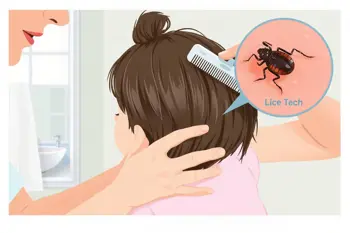
Examine damp hair under bright light, concentrating behind the ears and at the nape of the neck. A fine-toothed detection or nit comb can help collect young or adult lice. Nits are firmly attached to individual hairs, unlike dandruff, which is usually easier to remove. Eggs located more than about 6 millimeters, or one-quarter inch, from the scalp are often dead or empty because viable eggs need the warmth near the scalp. 511
Use wet combing as the main natural method
Wet combing is the most supported non-insecticidal approach. Wash or wet the hair, apply ordinary conditioner to reduce friction, and divide the hair into small sections. Draw a fine-toothed lice comb from the scalp to the ends, wiping the comb after every pass onto a tissue or washable surface. Work methodically across the entire head, giving particular attention to the roots where lice and viable nits are most likely to remain. 12
A single combing session can remove many live lice, but it cannot reliably prove that every egg has been removed. Repeat the process every few days for approximately two weeks, while continuing to inspect the scalp. The NHS describes repeated wet-combing over a two-week period, and clinical guidance emphasizes continuing until no live crawling lice are found. This schedule addresses newly hatched nymphs that may appear after the first removal session. 12
Understand the limits of oils and pantry remedies
Olive oil, coconut oil, mayonnaise, petroleum jelly, vinegar, and essential oils are commonly described as natural lice treatments. However, the Centers for Disease Control and Prevention states that smothering substances such as mayonnaise and oils have not been scientifically established as effective eradication methods. A Cochrane review also found limited and low-certainty evidence for many lice treatments, so claims that botanical products reliably eliminate lice and eggs should be treated cautiously. 18
Oils may make hair more slippery and therefore easier to comb, but that supportive use is different from proving that an oil kills every louse or nit. Essential oils can irritate the scalp, trigger allergic reactions, and create additional risks when used in concentrated form, particularly for children. They should not replace repeated combing or an approved treatment when manual removal fails. Products should never be combined indiscriminately, because scalp exposure can increase irritation without improving control. 1810
Limit spread without excessive home cleaning
Head lice move primarily by crawling during close head-to-head contact. Sharing brushes, hats, towels, headphones, or bedding may contribute to transfer, but direct contact is the principal route. Check household members and other close contacts, especially people who share sleeping arrangements or have had prolonged contact. Treating everyone automatically is not recommended. People should generally be treated only when live lice are found, because isolated or distant nits may be old, hatched, or nonviable. 359
Routine fumigation, whole-home spraying, and deep environmental cleaning are unnecessary and may expose people to harmful chemicals. Wash recently used bedding, clothing, and towels in hot water and dry them on high heat. Items that cannot be washed can be sealed in a plastic bag for two weeks. Concentrating on recently used personal items is more appropriate than treating carpets, furniture, pets, or the entire home, since human head lice do not infest household animals. 479
Follow safety precautions carefully
Natural does not automatically mean harmless. Kerosene, gasoline, surface pesticides, and other toxic substances must never be applied to hair or skin. Household pesticide products are designed for specific labeled uses and can cause dangerous exposure when misused. Avoid contact between any scalp treatment and the eyes, mouth, or broken skin. Stop a product if severe burning, swelling, breathing difficulty, or a rapidly worsening rash develops, and seek appropriate medical assistance for a serious reaction. 67
Extra caution is warranted for children under two years old, pregnant or breastfeeding people, and anyone with eczema, wounds, infection, or another scalp disorder. Concentrated essential oils and medicated products may require individualized advice in these groups. Hair should be handled gently during combing to reduce pulling and scalp trauma. Persistent scratching can damage skin and create an opportunity for infection, so worsening tenderness, drainage, crusting, or marked irritation warrants professional assessment rather than additional home remedies. 610
Know when natural management has not worked
Careful wet combing requires time, adequate lighting, a suitable fine-toothed comb, and repeated sessions. If live lice remain after a properly performed course, a clinician or pharmacist can help distinguish active lice from old nits and recommend an approved over-the-counter or prescription option. Some medicines do not kill the newest eggs, so a second application is often scheduled 7 to 10 days after the first, according to the product instructions. 1510
Follow-up should focus on evidence of active infestation rather than continuing treatment indefinitely because itching or nits persist. Recheck the scalp and hair regularly, continue combing according to the selected plan, and inspect close contacts when exposure has occurred. Professional help is particularly important when repeated correct treatment fails, the person is very young, the scalp appears infected, or a product has contacted the eyes. These situations require diagnosis and safety guidance rather than stronger or more concentrated household mixtures. 2910
Sources
- Centers for Disease Control and Prevention
- NHS
- HealthyChildren.org, American Academy of Pediatrics
- Mayo Clinic
- U.S. National Library of Medicine, MedlinePlus
- U.S. Food and Drug Administration
- U.S. Environmental Protection Agency
- Cochrane Library
- Massachusetts Department of Public Health
- Seattle Children’s Hospital
- Mayo Clinic, Head Lice Diagnosis and Treatment
Authored by 24Trendz team