Chromium tablets supporting weight loss and enhanced absorption details: An evidence-based analysis
Chromium tablets supporting weight loss and enhanced absorption details are generally discussed in relation to chromium picolinate, insulin activity, carbohydrate metabolism, and modest changes in body weight. Available research suggests that chromium is not a standalone fat-loss intervention, while the picolinate form is studied because it may be absorbed more effectively than some inorganic chromium salts. 1
What chromium tablets contain and how they are studied
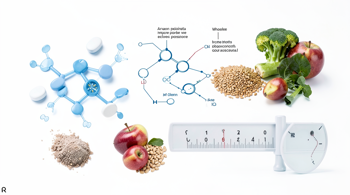
Chromium is an essential trace mineral required in small amounts and is associated with carbohydrate, fat, and protein metabolism. Dietary sources identified in the research include turkey, orange juice, whole grains, apples, broccoli, and grape juice. Supplement tablets commonly use trivalent chromium, including chromium(III) picolinate, rather than the industrially relevant hexavalent form. 1
The main biological rationale concerns insulin signaling. Chromium is described as helping insulin function more efficiently, supporting glucose uptake and normal macronutrient metabolism rather than directly lowering blood sugar or melting body fat. European health claims cited in the research are limited to maintaining normal blood glucose, normal macronutrient metabolism, and normal energy-yielding metabolism. 2
What the weight-loss evidence actually shows
Clinical findings indicate that any weight reduction associated with chromium supplementation is small and inconsistent. A pooled analysis of nine randomized trials involving 622 participants reported an average difference of approximately 1.1 kilograms after 12 to 16 weeks, with low-quality evidence and uncertain clinical importance. Another evidence summary described an effect of about 0.75 kilograms, reinforcing that the expected change is modest. 3
The available data do not support chromium as an independent weight-loss solution. Research summaries report no clear dose gradient between 200 and 1,000 micrograms, and pooled trials found no firm effect on waist circumference. A possible reduction in cravings appeared in one small subgroup of 41 adults with high cravings, but that finding is not sufficient to establish a general appetite-control effect. 4
Chromium picolinate and absorption
Absorption from chromium supplements is generally low and varies according to chemical form. The supplied research describes chromium picolinate as chromium bound to picolinic acid, a structure intended to improve intestinal uptake compared with chromium chloride. Some ingredient research reports that Chromax-branded chromium picolinate was absorbed up to 15 times better than other forms in human clinical research, although this figure concerns a particular branded ingredient and should not automatically be applied to every tablet. 1
Tablet labels may identify chromium picolinate as an organic or chelated form and provide amounts such as 200 micrograms per tablet. Product directions in the supplied data commonly specify one tablet daily with water, preferably during a meal. Taking a tablet with food may support tolerability and is also recommended by an evidence summary, but the research does not establish that vitamin C or other added ingredients produce a predictable weight-loss advantage. 5
Doses, timing, and realistic expectations
Research and product information most often place routine supplemental intake in the range of 200 to 400 micrograms daily. A clinical study of Chromax cited a dosage of 400 micrograms per day for healthy weight management, body composition, and carbohydrate metabolism. Other trials have used amounts from 50 to 1,000 micrograms daily for two to six months, so study dosage should not be treated as an individualized medical recommendation. 1
Expected results are gradual and may be absent, particularly when an individual already obtains sufficient chromium from food. The evidence summary states that no meaningful change should be expected during the first 24 hours, while any potential benefit in a deficient person could take several weeks. Weight management outcomes remain dependent on the broader diet and lifestyle program, and chromium should be viewed as a limited adjunct rather than a rapid intervention. 4
Safety, interactions, and eligibility considerations
Trivalent chromium at customary supplemental doses is generally described as safe for most adults, but safety does not establish effectiveness. Particular caution is warranted for people with kidney or liver disease and for those taking diabetes medicines, because chromium may affect glucose regulation and could complicate medication management. Individual medical history, laboratory findings, pregnancy status, and the purpose of supplementation can change whether use is appropriate. 6
Chromium tablets should not be confused with a treatment for diabetes, obesity, or clinically significant insulin resistance. The supplied research describes inconsistent long-term weight findings and limited evidence for substantial clinical benefit. Products may also combine chromium with stimulants, herbs, or other metabolic ingredients, making the overall safety profile harder to evaluate. Reviewing the full Supplement Facts panel and discussing use with a qualified clinician is particularly important when prescription treatment is involved. 7
Labels, oversight, and how to interpret claims
In the United States, chromium picolinate is regulated as a dietary supplement, and dietary supplements do not require premarket approval for efficacy in the same manner as prescription medicines. Consequently, a label claim about metabolism or cravings does not prove that a tablet produces clinically meaningful weight loss. Evidence should be assessed by examining the form, dose, study duration, population, comparator, and measured outcomes. 8
Useful label details include the exact chromium compound, the elemental chromium amount, serving instructions, and any additional active ingredients. A 200-microgram tablet represents the lower end of commonly studied dosing, while claims such as enhanced absorption describe a formulation characteristic rather than a guaranteed physiological result. The most defensible interpretation is that chromium picolinate may support normal metabolic processes, with weight effects likely to be small, variable, and less important than established dietary and activity measures. 5
Sources
- Nature Made, “Does Chromium Help Support Healthy Weight Management?”
- Particular Health, “Chromium, Blood Sugar and Metabolism: What the Evidence Says”
- PubMed Central, chromium picolinate weight-loss meta-analysis, PMID 23574163
- IngredientMD, “Chromium: Evidence-Based Analysis”
- SISU Chromium Picolinate product information, Pharmex Direct
- National Institutes of Health, Office of Dietary Supplements, Chromium Fact Sheet
- Mayo Clinic, Chromium supplement information
- U.S. Food and Drug Administration, Dietary Supplements overview
Authored by 24Trendz team