Warning signs of peripheral artery disease: A clinical overview of symptoms and risk factors
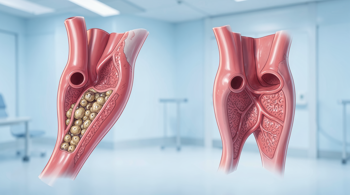
Peripheral artery disease (PAD) is a condition characterized by the narrowing or blockage of arteries that transport blood to the limbs, most commonly the legs 2. This narrowing typically results from atherosclerosis, a process where plaque-a substance composed of cholesterol and fat-accumulates along the arterial walls 2, 5. While many individuals remain asymptomatic, identifying the warning signs is critical, as the disease is often underdiagnosed and associated with a mortality rate exceeding that of many common cancers 1, 8, 9.
The Hallmark Symptom: Intermittent Claudication
The most frequently reported indicator of PAD is a phenomenon known as intermittent claudication 1, 3. This presents as muscle pain, aching, cramping, or fatigue that typically occurs during physical exertion such as walking, climbing stairs, or exercising 1, 5. The discomfort is localized to the buttocks, thighs, calves, or ankles and generally subsides after a brief period of rest 1, 4. This occurs because restricted arteries fail to meet the increased demand for blood flow during physical activity, causing the muscles to experience an oxygen deficit 1.
Cutaneous and Extremity Changes
Beyond exertional pain, PAD often manifests through observable changes in the skin and nails of the feet and legs 1. Diminished circulation can lead to a pale appearance when the leg is elevated, or a red discoloration when the leg is in a dependent position 1, 2. Other physical signs include the development of sores or ulcers on the toes, feet, or legs that demonstrate poor or delayed healing 2, 5. Patients may also observe decreased hair growth on the lower extremities, poor nail growth, and a noticeable temperature difference, where one leg or foot feels colder than the other 2, 5.
| Symptom Category | Specific Clinical Manifestation |
|---|---|
| Exertional | Cramping in the calf, thigh, or buttock during movement |
| Dermal | Slow-healing ulcers or sores on the lower limbs |
| Sensory/Vascular | Coolness in the foot, numbness, or weakness in the leg |
| Morphological | Reduced hair growth and brittle or slow-growing nails |
Advanced Stages and Rest Pain
When PAD progresses to advanced stages, referred to as chronic limb-threatening ischemia (CLTI), the symptoms shift from exertional discomfort to constant, debilitating pain 4, 7. Patients may experience persistent aching or burning in the foot while at rest, particularly when lying down at night or elevating the limbs 4. In these severe instances, the reduction in blood flow can result in tissue death, or gangrene, which represents a critical threat to the integrity of the limb and may necessitate surgical intervention or amputation if blood flow is not restored 2, 4.
Risk Profile and Predisposing Factors
The development of PAD is heavily linked to systemic atherosclerosis, and its primary risk factors mirror those of coronary heart disease 3, 7. Tobacco use, specifically smoking, is considered the most significant modifiable risk factor, appearing to exert a more potent impact on PAD than on other forms of atherosclerosis 2, 8. Diabetes is another primary driver, often compounding the severity of symptoms and increasing the complexity of potential complications 6, 8. Additional factors include hypertension, high cholesterol, obesity, physical inactivity, advanced age, and a family history of vascular disease 2, 3, 6.
Diagnostic Considerations and Clinical Assessment
Medical professionals assess the risk of limb loss using structured systems such as the WIfI (Wound, Ischemia, Foot Infection) classification, which helps in quantifying the severity of the condition and guiding therapeutic strategies 1. The assessment typically involves a physical examination to check for weak or absent pulses in the feet and legs, followed by various imaging and heart-related tests to visualize arterial narrowing 2, 5. Given that many individuals with PAD are asymptomatic, those with identifiable risk factors are often encouraged to consult with healthcare providers even in the absence of obvious pain 2, 6.
Management and Prognostic Implications
While there is no definitive cure for PAD, management strategies focus on slowing disease progression, reducing symptom severity, and preventing secondary events such as stroke or heart attack 4, 8. Standard interventions include lifestyle modifications, such as smoking cessation and the adoption of regular, supervised exercise programs, alongside pharmacological treatments to manage blood pressure and cholesterol levels 2, 4. In cases of severe arterial occlusion, medical or surgical procedures may be required to restore adequate blood flow to the affected limbs and preserve tissue viability 2, 5.
Sources
- American Heart Association: Symptoms of PAD
- MedlinePlus: Peripheral Arterial Disease
- Harvard Health: Peripheral Arterial Disease A-to-Z
- Yale Medicine: Peripheral Artery Disease (PAD)
- Penn Medicine: Peripheral Artery Disease
- Johns Hopkins Medicine: Peripheral Vascular Disease
- StatPearls: Peripheral Arterial Disease (NCBI)
- American Heart Association: Is your leg pain actually PAD?
- Baystate Health: PAD Warning Signs, Risk Factors, and Treatment
- Family Heart Foundation: Peripheral Artery Disease: Signs and Symptoms
Authored by 24Trendz team