Innovative Migraine Treatments: A Look Ahead to Advanced Pain Management in 2027
Facts:
- Migraine impacts over a billion people globally.
- New drug delivery methods for migraine therapy show promise for chronic sufferers.
The Dawn of Next-Generation Innovative Migraine Treatments Arriving in 2027
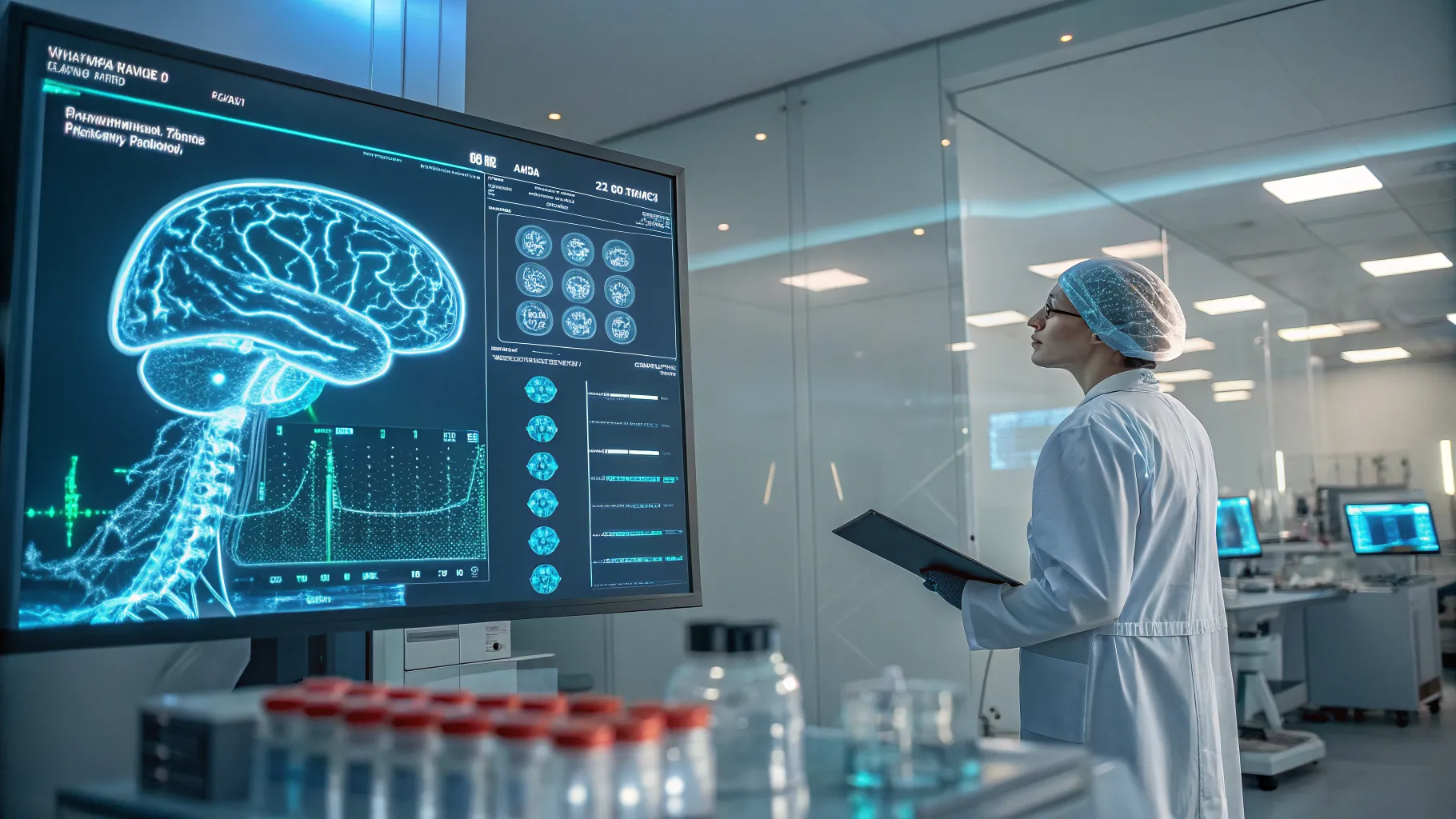
The landscape of migraine therapy is on the cusp of a profound transformation. As we approach 2027, researchers and pharmaceutical companies are poised to unveil a wave of innovative migraine treatments that promise to revolutionize how millions manage this debilitating neurological condition. These advancements move beyond symptomatic relief, targeting the underlying mechanisms of migraine with unprecedented precision and offering renewed hope for those seeking more effective and sustainable solutions for advanced pain management.
Targeted Biologics and Novel Small Molecules
Beyond the current generation of CGRP inhibitors, the pipeline for innovative migraine treatments includes new classes of biologics and small molecules designed to interfere with various pathways implicated in migraine pathogenesis. Researchers are exploring targets such as PACAP (pituitary adenylate cyclase-activating polypeptide) and serotonin 5-HT1F receptors with compounds offering different pharmacokinetic profiles, potentially leading to faster onset of action, longer duration, or reduced side effects. These next-generation drugs aim to provide more personalized and potent relief, moving closer to a preventative cure for some individuals rather than just managing acute attacks. The focus is on precision medicine, ensuring that each patient receives the most effective migraine therapy tailored to their specific biological markers and triggers.
Advancements in Neurostimulation Devices
Non-invasive and minimally invasive neurostimulation devices represent another rapidly evolving frontier in advanced pain management for migraine. While devices like external trigeminal nerve stimulation (eTNS) and single-pulse transcranial magnetic stimulation (sTMS) are already available, 2027 is expected to bring significant enhancements. We anticipate smaller, more comfortable, and more user-friendly devices with improved efficacy, potentially integrating AI for personalized therapy adjustments. Implantable solutions, such as those targeting the sphenopalatine ganglion or occipital nerves, are also seeing refinements, offering long-term relief for chronic, refractory migraine sufferers. These devices provide a drug-free alternative or adjunct for innovative migraine treatments, reducing reliance on pharmaceuticals and their associated side effects.
Gene Therapy and CRISPR for Migraine Prevention
Looking further into the future of innovative migraine treatments, gene therapy approaches are gaining traction. While still in early research phases, the potential to modify genetic predispositions or alter the expression of proteins involved in migraine pathways is immense. CRISPR-Cas9 technology, for instance, could theoretically be used to "edit out" genetic mutations linked to certain hereditary forms of migraine. Although significant hurdles remain in terms of safety and delivery, the concept of a one-time treatment that permanently prevents migraine attacks is a paradigm shift in migraine therapy. These groundbreaking techniques could offer truly curative solutions, redefining advanced pain management for generations to come by addressing the root cause.
Digital Therapeutics and Personalized Migraine Management
The integration of digital therapeutics (DTx) into migraine therapy is set to explode by 2027. These app-based interventions, often combined with wearable technology, provide personalized guidance on lifestyle modifications, stress management, and trigger identification. DTx solutions can deliver cognitive behavioral therapy (CBT) modules, track migraine patterns, and even integrate with physician platforms for remote monitoring and consultation. This holistic approach, complementing pharmacological and device-based innovative migraine treatments, empowers patients to take a more active role in their advanced pain management. The data collected through these platforms will also provide invaluable insights for future research and treatment development, creating a feedback loop for continuous improvement.
Enhanced Drug Delivery Systems
Beyond new drug entities, significant progress is being made in enhancing the delivery of existing and future migraine therapy agents. Innovations like transdermal patches with controlled release, intranasal sprays with improved bioavailability, and even inhalable formulations are under development. These systems aim to offer faster relief for acute attacks, greater convenience, and reduced systemic side effects compared to traditional oral medications. For preventative innovative migraine treatments, long-acting injectables or even subdermal implants are being explored to ensure consistent drug levels and improve adherence. These delivery system advancements are crucial for making advanced pain management more accessible and patient-friendly.
Comparing the emerging landscape of innovative migraine treatments, a clear trend towards multi-modal approaches is evident. While traditional oral triptans primarily offered acute relief, the newer CGRP inhibitors provide both acute and preventative options, significantly improving quality of life. Looking to 2027, the emphasis shifts further towards highly specific biologics and small molecules targeting novel pathways, offering greater efficacy and reduced side effects for various patient profiles. Neurostimulation devices offer a drug-free alternative, particularly for those with contraindications or insufficient response to pharmacotherapy. The integration of digital therapeutics ensures a personalized, holistic approach to migraine therapy, addressing lifestyle factors alongside medical interventions. Gene therapy, though futuristic, holds the promise of a permanent solution, setting a new benchmark for advanced pain management. Each of these modalities addresses different aspects of migraine, allowing for a comprehensive, layered treatment strategy tailored to individual patient needs and preferences.
Preparing for Future Migraine Treatment Options
- Stay Informed: Actively follow reputable medical news sources and consult your neurologist about the latest developments in innovative migraine treatments. Being aware of new options, particularly CGRP inhibitors and neurostimulation devices, will empower you to discuss potential therapies proactively.
- Maintain a Migraine Journal: Continue to meticulously track your migraine attacks, triggers, and the effectiveness of current treatments. This detailed information will be invaluable when discussing new migraine therapy options with your healthcare provider, helping them determine the most suitable advanced pain management strategy.
- Explore Clinical Trials: For those with refractory migraine, consider researching ongoing clinical trials for experimental innovative migraine treatments. Participation can provide access to cutting-edge therapies before they become widely available, contributing to the advancement of migraine science.
- Embrace Digital Health Tools: Incorporate digital therapeutics and wearable devices into your daily routine. These tools can offer personalized insights, support lifestyle modifications, and provide data that assists your doctor in optimizing your migraine therapy regimen.
- Advocate for Yourself: Be proactive in communicating your needs and preferences to your healthcare team. Discussing your expectations for advanced pain management and exploring all available and upcoming innovative migraine treatments ensures a collaborative approach to your care.
Frequently Asked Questions
What are the most promising innovative migraine treatments expected by 2027?
By 2027, we anticipate significant advancements including new generations of CGRP inhibitors, novel small molecules targeting other migraine pathways, enhanced neurostimulation devices, and the integration of advanced digital therapeutics. Gene therapy research also holds long-term promise for innovative migraine treatments.
Will these new migraine therapies be affordable and accessible?
Accessibility and affordability are key considerations for any new migraine therapy. While initial costs for cutting-edge innovative migraine treatments may be high, ongoing research and competition often lead to broader insurance coverage and more accessible pricing over time. Advocacy efforts are continuously pushing for equitable access to advanced pain management solutions.
How will neurostimulation devices evolve for migraine treatment?
Neurostimulation devices are expected to become more compact, user-friendly, and effective by 2027. Integrating AI for personalized adjustments and offering both non-invasive and refined implantable options, these devices will play an increasingly central role in migraine therapy, providing drug-free alternatives or complementary advanced pain management.
References
- Goadsby, P. J. (2020). New horizons in the treatment of migraine. Annals of Neurology, 88(2), 209-218.
- Ferrari, M. D. (2018). CGRP-targeted treatments for migraine: the evidence to date. Current Opinion in Neurology, 31(3), 263-269.
- Durham, P. L., & Vause, C. V. (2010). Calcitonin gene-related peptide (CGRP) receptor antagonists as a novel therapy for migraine. CNS Drugs, 24(5), 373-386.
- Tso, A. R., & Goadsby, P. J. (2018). New treatments for migraine: a review. Practical Neurology, 18(3), 202-211.
- Miller, S., & Goadsby, P. J. (2020). Emerging drugs for the prevention of migraine. Expert Opinion on Emerging Drugs, 25(2), 177-187.
Authored by 24Trendz team