How to Relieve Acid Reflux Permanently: Long-Term GERD Solutions
Fast Facts:
- Over 60 million Americans experience heartburn at least once a month.
- Digestive health awareness is rising for optimal well-being.
Understanding Chronic Acid Reflux and Seeking Permanent Acid Reflux Relief
Living with chronic acid reflux, also known as GERD, can be debilitating, impacting daily life, sleep, and overall well-being. Many individuals seek more than just temporary fixes; they crave comprehensive strategies on how to relieve acid reflux permanently. This guide delves into the underlying causes of this persistent condition and explores effective, sustainable approaches, from crucial lifestyle changes for reflux to advanced medical interventions, empowering you to achieve lasting comfort and digestive health.
Foundational Lifestyle Changes for Reflux Management
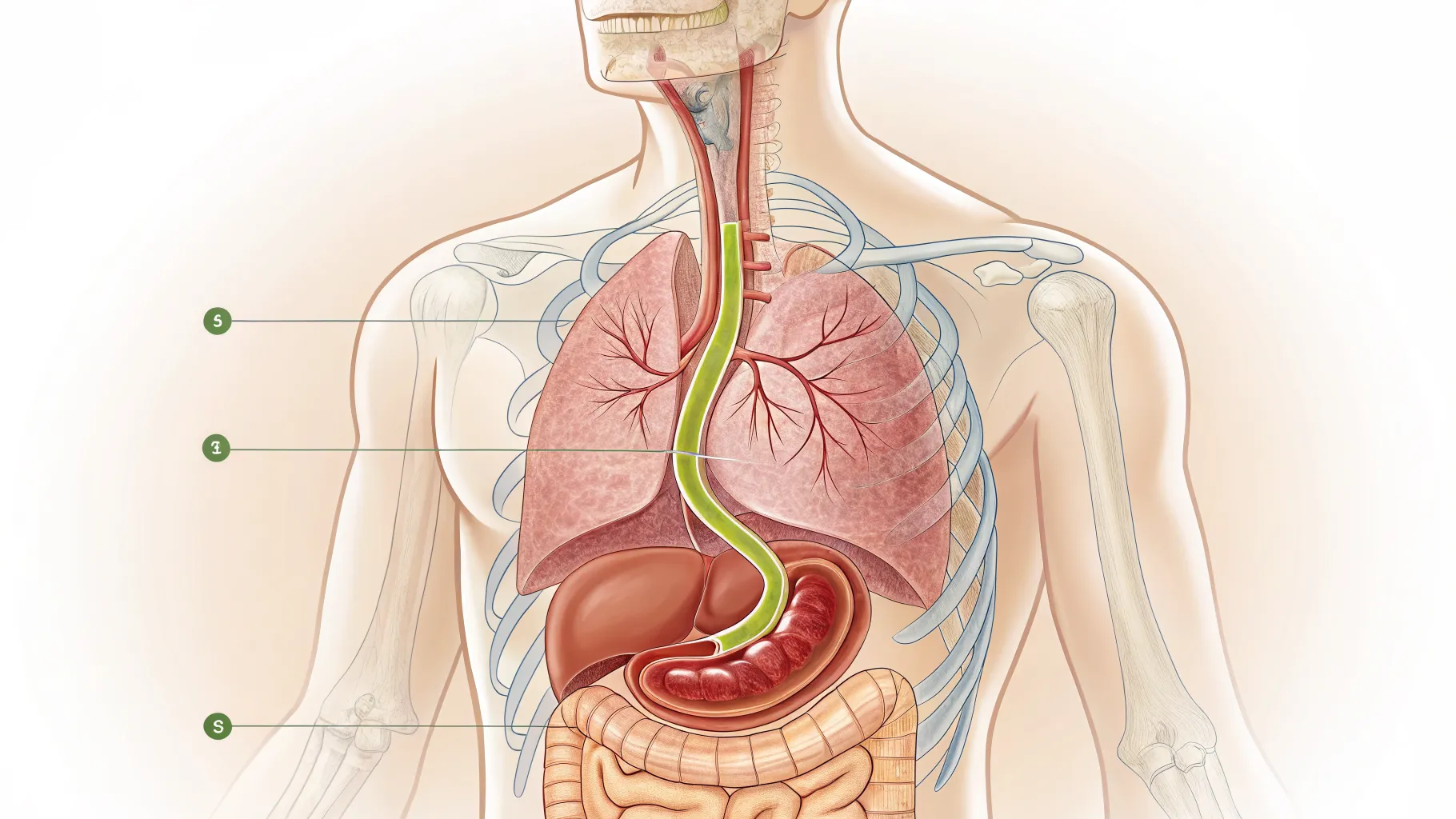
Achieving permanent acid reflux relief often begins with foundational shifts in daily habits. These aren't quick fixes but sustainable adjustments that address the root causes of reflux. Elevating the head of your bed by 6-8 inches can significantly reduce nocturnal reflux by allowing gravity to keep stomach acid down. Avoiding lying down immediately after eating is another critical step; waiting at least three hours after your last meal provides ample time for digestion. Furthermore, quitting smoking and reducing alcohol consumption are paramount, as both substances relax the lower esophageal sphincter (LES), the muscle that prevents stomach acid from flowing back into the esophagus, thereby exacerbating acid reflux symptoms. Maintaining a healthy weight also plays a crucial role; excess abdominal pressure can push stomach contents upwards, worsening reflux. These cumulative lifestyle changes for reflux are often the first and most effective line of defense against chronic heartburn.
Implementing Effective Dietary Solutions for Heartburn
Dietary triggers are a primary culprit for many reflux sufferers, making targeted dietary solutions for heartburn essential for long-term acid reflux management. Identifying and avoiding problematic foods can dramatically reduce the frequency and severity of symptoms. Common culprits include fatty foods, spicy dishes, citrus fruits, tomatoes, chocolate, peppermint, and caffeinated beverages. Instead, focus on a diet rich in lean proteins, whole grains, and non-acidic fruits and vegetables. Eating smaller, more frequent meals rather than large, heavy ones can prevent overfilling the stomach, reducing pressure on the LES. Hydration is key, but timing matters; avoid large fluid intake during meals. Keeping a food diary can be an invaluable tool to pinpoint specific triggers unique to your body, allowing you to tailor your dietary solutions for heartburn for maximum effectiveness and contribute to permanent acid reflux relief.
Exploring Medical and Surgical GERD Treatment Options
When lifestyle and dietary modifications alone are insufficient, various medical and surgical GERD treatment options become necessary to achieve permanent acid reflux relief. Over-the-counter antacids offer temporary relief but do not address the underlying problem. H2 blockers, such as famotidine, reduce acid production, while proton pump inhibitors (PPIs) like omeprazole are more potent, significantly reducing stomach acid. However, long-term use of PPIs can have side effects, necessitating careful consideration and physician guidance. For severe cases unresponsive to medication, surgical interventions may be explored. Fundoplication, the most common surgery, involves wrapping the top of the stomach around the lower esophagus to strengthen the LES. Newer minimally invasive procedures are also emerging, offering alternatives. Discussing these various GERD treatment options with a gastroenterologist is crucial to determine the most appropriate path for your individual condition and goals for long-term acid reflux management.
The Role of Stress Management in Long-Term Acid Reflux Management
The connection between stress and digestive health, particularly acid reflux, is increasingly recognized. While stress doesn't directly cause reflux, it can exacerbate existing acid reflux symptoms and make achieving permanent acid reflux relief more challenging. Stress can increase stomach acid production, slow down digestion, and even make the esophagus more sensitive to acid. Therefore, incorporating effective stress management techniques is a vital component of any comprehensive plan for long-term acid reflux management. Practices such as meditation, yoga, deep breathing exercises, and regular physical activity can significantly reduce stress levels. Ensuring adequate sleep also plays a critical role, as sleep deprivation can increase stress hormones. By actively managing stress, individuals can often find a noticeable improvement in their acid reflux symptoms and enhance the efficacy of other treatment strategies, paving the way for more consistent relief.
Complementary Therapies and Holistic Approaches for Permanent Acid Reflux Relief
Beyond conventional treatments, many individuals explore complementary and holistic approaches as part of their journey towards permanent acid reflux relief. While these should not replace medical advice, they can often support overall digestive health and symptom reduction. Herbal remedies like slippery elm, licorice (DGL form), and ginger are sometimes used for their soothing and anti-inflammatory properties, potentially alleviating irritation from acid reflux symptoms. Probiotics, which introduce beneficial bacteria to the gut, can support a healthy digestive microbiome, although their direct impact on reflux requires more research. Acupuncture has also been explored by some as a way to regulate digestive function and reduce discomfort. Before integrating any complementary therapy, it is imperative to consult with a healthcare professional, especially if you are on prescribed medications, to ensure safety and avoid potential interactions. A holistic approach that combines proven medical treatments with supportive therapies can be a powerful strategy for comprehensive long-term acid reflux management.
Actionable Steps for Sustained Acid Reflux Improvement
Consult a Specialist: Seek guidance from a gastroenterologist for an accurate diagnosis and personalized treatment plan, especially if you experience severe or persistent acid reflux symptoms.
Maintain a Food and Symptom Diary: Regularly track your food intake and any associated reflux symptoms to identify specific triggers and tailor your dietary solutions for heartburn effectively.
Implement Gradual Lifestyle Changes: Instead of overwhelming yourself, gradually introduce changes like elevating your bed, eating smaller meals, and avoiding late-night eating. Consistency is key for permanent acid reflux relief.
Prioritize Stress Reduction: Integrate daily stress-reducing activities such as mindfulness, gentle exercise, or hobbies into your routine to mitigate stress's impact on your digestive system and support long-term acid reflux management.
Review Medications Regularly: Work with your doctor to review any medications, both prescribed and over-the-counter, to ensure they are the most appropriate and effective GERD treatment options for your condition, adjusting as needed for sustained relief.
Frequently Asked Questions
Can acid reflux really be cured permanently?
While a complete "cure" might not be universally applicable for all individuals, many can achieve significant, long-term relief and effectively manage their condition to the point where acid reflux symptoms are rare or nonexistent. This often involves a combination of consistent lifestyle changes for reflux, dietary modifications, and sometimes medication or surgical interventions, leading to what can be considered permanent acid reflux relief for many.
What lifestyle changes are most effective for long-term acid reflux management?
The most effective lifestyle changes for reflux include elevating the head of your bed, avoiding lying down immediately after eating, maintaining a healthy weight, quitting smoking, reducing alcohol and caffeine intake, and wearing loose-fitting clothing. These collectively help reduce pressure on the lower esophageal sphincter and prevent acid from backing up, crucial for long-term acid reflux management.
Are natural remedies effective for permanent acid reflux relief?
Some natural remedies, like ginger, slippery elm, and DGL licorice, can offer symptomatic relief and support digestive health. However, they should be used as complementary therapies and not as substitutes for medical treatment, especially for severe or chronic GERD. Always consult a healthcare professional before relying on natural remedies for permanent acid reflux relief, particularly if you are on other medications.
When should I consider surgery for GERD?
Surgery is typically considered for individuals with severe GERD who do not respond to medication and lifestyle changes, or those who wish to avoid long-term medication. Procedures like fundoplication aim to strengthen the lower esophageal sphincter. It's an important discussion to have with your gastroenterologist to weigh the benefits and risks of surgical GERD treatment options.
References
- American College of Gastroenterology.
- National Institute of Diabetes and Digestive and Kidney Diseases (NIDDK).
- Mayo Clinic Proceedings.
- Gastroenterology Journal.
- Journal of Clinical Gastroenterology.
Authored by 24Trendz team