Finding Value: A Guide to Wheelchair Accessible Van Deals
Securing a wheelchair accessible van represents a significant step towards greater independence and mobility for many individuals and families. The market offers a variety of options, from new models with the latest conversions to pre-owned vehicles that can provide excellent value. Navigating this specialized market requires understanding different conversion types, knowing where to look for favorable prices, and being aware of the key considerations that will ensure the van meets specific needs and offers long-term reliability.
Understanding Different Types of Accessible Vans
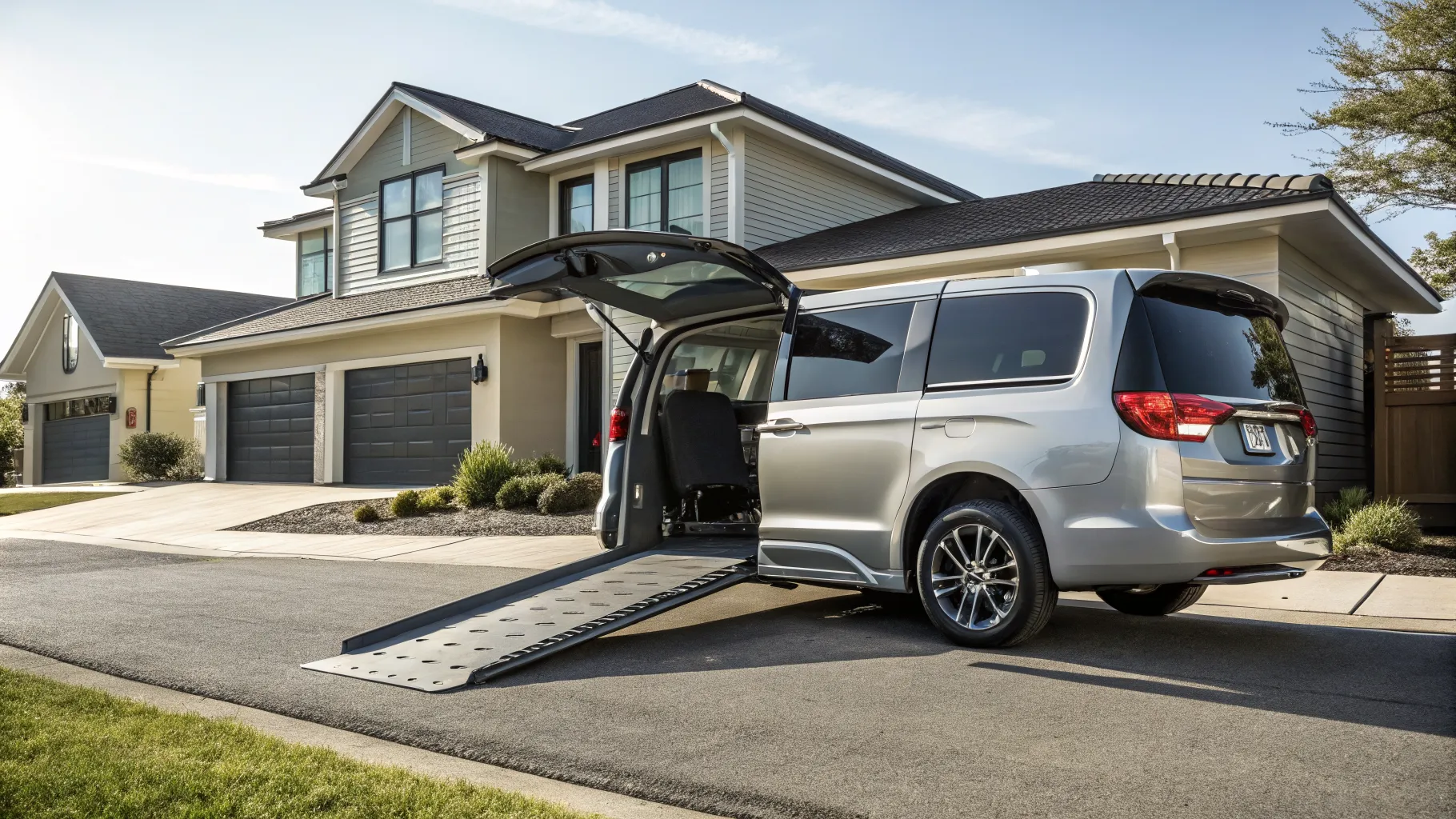
Wheelchair accessible vans come in various configurations, primarily distinguished by their conversion type. The two main categories are side-entry and rear-entry, each offering distinct advantages depending on the user's specific requirements, parking situations, and the number of passengers.
Side-entry vans often feature a ramp or lift that deploys from the side door, allowing the wheelchair user to enter from the passenger side and potentially transfer to the driver's seat or ride as a passenger. Rear-entry vans, conversely, allow access through the back of the vehicle, which can be advantageous for those who frequently park in standard parking spaces and need direct access to the rear seating area. Both types can be equipped with manual or power ramps and lifts, influencing ease of use and cost.
Where to Find Wheelchair Accessible Van Deals
Finding a good deal on an accessible van involves exploring multiple avenues. Specialized mobility dealerships are often the primary resource, offering a range of new and used converted vehicles, often with certified pre-owned options and warranties. These dealerships usually have trained staff who can guide buyers through the selection process and ensure the vehicle meets safety standards.
Beyond dedicated dealerships, deals can sometimes be found through private sellers, online marketplaces, and even automotive auctions. While these sources might offer lower prices, they typically come with less support and a greater need for thorough independent inspection. Community organizations and non-profits dedicated to disability support can also be valuable resources, sometimes listing vehicles for sale or connecting buyers with assistance programs.
Key Factors to Consider When Buying
When searching for an accessible van, several critical factors should guide your decision. Foremost among these is determining the specific needs of the wheelchair user, including the type and size of their mobility device, their level of independence, and whether they will be driving or primarily riding as a passenger. The vehicle's interior space, headroom, and ease of maneuverability for the wheelchair are paramount.
Furthermore, evaluating the age and condition of both the base vehicle and the conversion components is crucial. A thorough inspection by a trusted mechanic specializing in accessible vehicles is highly recommended. Buyers should also inquire about the conversion company's reputation, the warranty coverage for the conversion, and the availability of replacement parts or service for specialized equipment.
- Assess the wheelchair user's specific needs, including device type, independence level, and role (driver/passenger).
- Verify the age and condition of both the base vehicle and its accessible conversion.
- Seek a pre-purchase inspection from a mechanic experienced with accessible vehicles.
- Investigate the conversion company's reputation and warranty details.
- Confirm the availability of replacement parts and specialized service for conversion components.
Financing Options and Assistance Programs
The cost of a wheelchair accessible van, especially a new one, can be substantial. Fortunately, various financing options and assistance programs exist to help make these vehicles more affordable. Traditional auto loans are available, but some lenders specialize in accessible vehicles and may offer more flexible terms.
Beyond conventional loans, several organizations and government programs provide grants, rebates, or financial assistance to individuals with disabilities. These can include state vocational rehabilitation services, non-profit disability advocacy groups, and charitable foundations. It is advisable to research federal, state, and local programs, as well as manufacturer rebate programs, which might offer financial incentives for new accessible vehicle purchases.
Common Pitfalls to Avoid
To ensure a positive purchasing experience, buyers should be aware of common pitfalls. One significant mistake is neglecting a comprehensive pre-purchase inspection. While a vehicle may look good on the surface, underlying mechanical or conversion issues can lead to costly repairs down the line. Always prioritize an inspection by a qualified, independent mechanic with experience in accessible vehicles.
Another pitfall is overlooking the separate warranties for the vehicle chassis and the conversion equipment. It is important to understand what each warranty covers, for how long, and with whom service should be arranged. Rushing the decision or failing to compare multiple options from various sellers can also result in paying more than necessary or acquiring a vehicle that isn't the best fit for your needs. Take your time, ask questions, and gather all relevant information before committing to a purchase.
Maintaining Your Accessible Vehicle
Proper maintenance is essential for ensuring the longevity and reliable operation of any vehicle, and this holds especially true for wheelchair accessible vans due to their specialized equipment. Regular service appointments should cover both the base vehicle's mechanical components and the conversion system, including ramps, lifts, securement devices, and any adaptive driving controls.
It is often beneficial to find a service center that has experience with accessible vehicles and their specific conversion technologies. This ensures that technicians are familiar with the unique aspects of your van and can perform necessary adjustments or repairs correctly, helping to prevent breakdowns and maintain safety standards over the vehicle's lifespan.
Authored by 24Trendz team