Finding Ergonomic Home Gym Equipment: A Guide to Comfort and Safety
Creating a functional and safe home gym is a goal for many individuals seeking convenience and consistency in their fitness routines. A crucial aspect often overlooked is the ergonomic design of the equipment. Ergonomics focuses on optimizing the human-equipment interaction to maximize comfort, efficiency, and safety, making it particularly important for sustained physical activity.
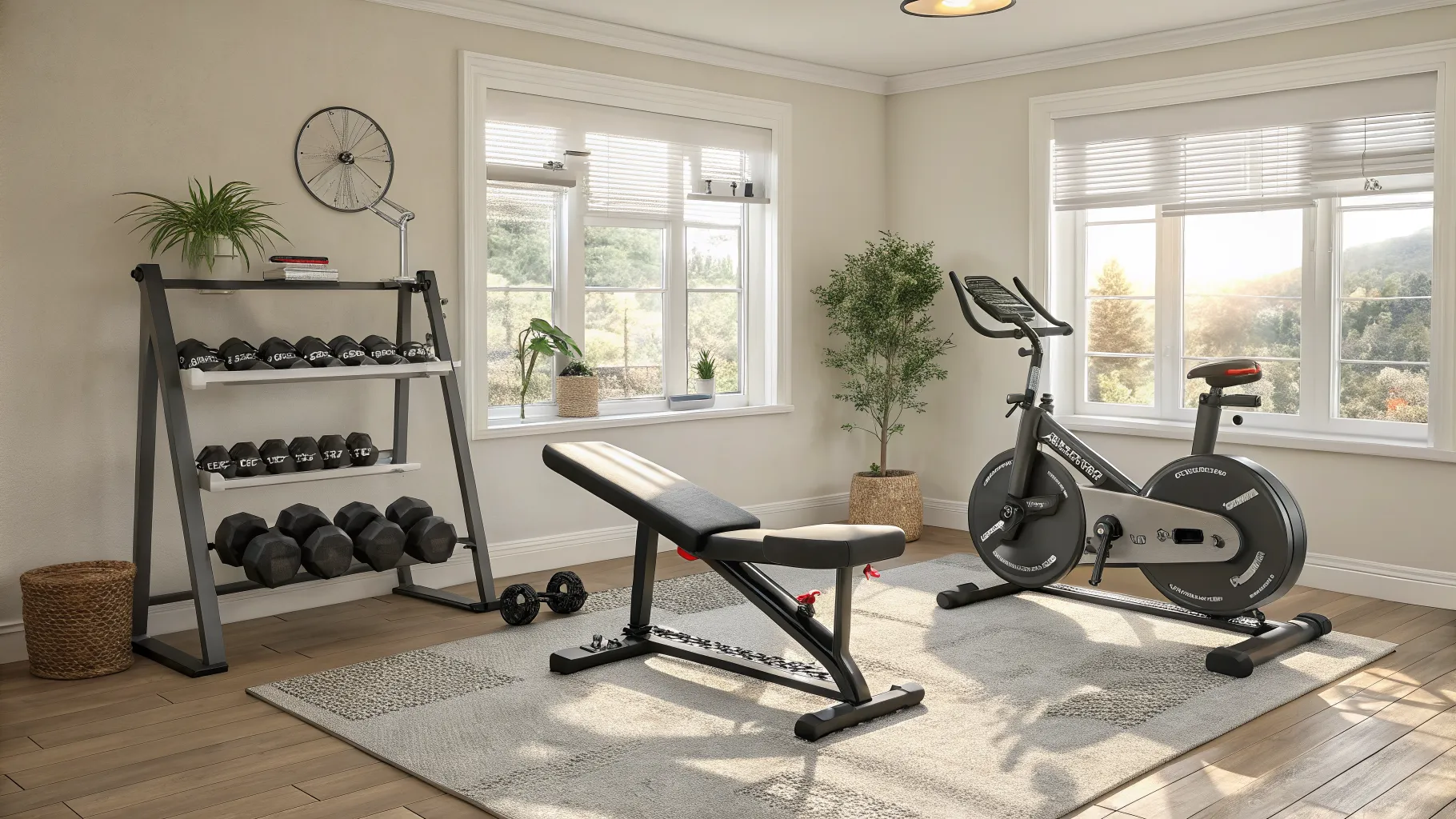
Understanding Ergonomics in Home Gyms
Ergonomics is the science of designing and arranging things people use so that the people and things interact most efficiently and safely. In the context of home gym equipment, this means designing tools that conform to the human body's natural movements and postures, reducing strain and preventing injuries.
Proper ergonomic design can significantly impact the quality and effectiveness of your workouts. Equipment that supports natural joint angles, provides adequate padding, and allows for personalized adjustments contributes to a more comfortable and productive exercise session, which in turn can foster greater consistency in your fitness journey.
The Benefits of Ergonomic Design for Your Body
Investing in ergonomic gym equipment offers several important benefits that extend beyond mere comfort. These advantages can significantly influence your workout results and overall well-being.
- Injury Prevention: Ergonomic designs minimize unnatural movements and excessive strain on joints, muscles, and tendons, thereby lowering the risk of sprains, strains, and overuse injuries.
- Improved Performance: When equipment fits your body correctly, you can achieve better form and engage the target muscles more effectively, leading to more efficient workouts and better results.
- Enhanced Comfort and Motivation: Comfortable equipment makes workouts more enjoyable, increasing the likelihood that you will stick to your routine consistently over time.
- Better Posture and Alignment: Ergonomic equipment often guides your body into correct biomechanical alignment, which can help improve posture both during and outside of exercise.
Key Features to Prioritize in Ergonomic Equipment
When selecting home gym equipment, specific features indicate good ergonomic design. Knowing what to look for can help you make informed choices that benefit your health and fitness goals.
- Adjustability: Equipment with multiple adjustment points for seat height, backrest angle, handle position, or resistance levels allows users of various body types to find their optimal fit.
- Padding and Support: High-density, comfortable padding on benches, seats, and contact points provides crucial support and reduces pressure during exercises.
- Grip and Texture: Handles and grips should be comfortable, non-slip, and appropriately sized to prevent hand fatigue and ensure secure control during movements.
- Biomechanical Alignment: The machine's movement path should mimic your body's natural range of motion, supporting joints and preventing awkward positions.
- Stability: A sturdy and stable base is essential to prevent wobbling or tipping, ensuring safety during dynamic exercises.
Common Types of Ergonomic Home Gym Equipment
Many categories of home gym equipment offer ergonomic designs. Understanding how ergonomics applies to each can help you select suitable items for your space and routine.
For strength training, look for adjustable dumbbells with contoured handles, weight benches with multiple incline and decline settings, and resistance band handles that are soft and provide a firm grip. For cardiovascular training, consider ellipticals or stationary bikes with easily adjustable seats, handlebars, and pedal straps, along with smooth, fluid motion that reduces impact on joints.
Rowing machines with adjustable footrests, padded seats, and ergonomic handles are also beneficial. Even simpler items like yoga mats and stability balls can incorporate ergonomic principles through appropriate thickness, non-slip surfaces, and durable materials that support proper posture and balance.
Navigating 'On Sale' Opportunities for Ergonomic Gear
Discovering home gym equipment on sale can be an attractive prospect. However, it is crucial to approach sales with a discerning eye, ensuring that reduced prices do not come at the cost of ergonomic quality or safety. A genuinely good deal balances affordability with functionality and long-term value.
Before making a purchase, research the brand and read user reviews regarding comfort, durability, and adjustability. Verify that the 'on sale' item still offers the ergonomic features you need. Inspect the warranty and return policy, as a reputable seller often stands behind the quality of their discounted items. Prioritizing these factors ensures that you acquire equipment that is not only budget-friendly but also supports a safe and effective fitness journey.
Setting Up Your Ergonomic Home Gym Space
The benefits of ergonomic equipment can be amplified by an ergonomically designed workout space. Proper setup ensures that your environment complements your gear, fostering a safe and efficient routine.
Consider the layout of your home gym. Ensure there is ample space around each piece of equipment for safe movement and full range of motion. Good lighting and ventilation contribute to a comfortable atmosphere, while appropriate flooring, such as rubber mats, can absorb impact, protect your subfloor, and provide additional stability for both you and your equipment. Always follow the manufacturer's guidelines for assembly and use to maximize the ergonomic benefits and longevity of your equipment.
Authored by 24Trendz team