Exploring Vietnam: A Guide to Popular Tour Experiences
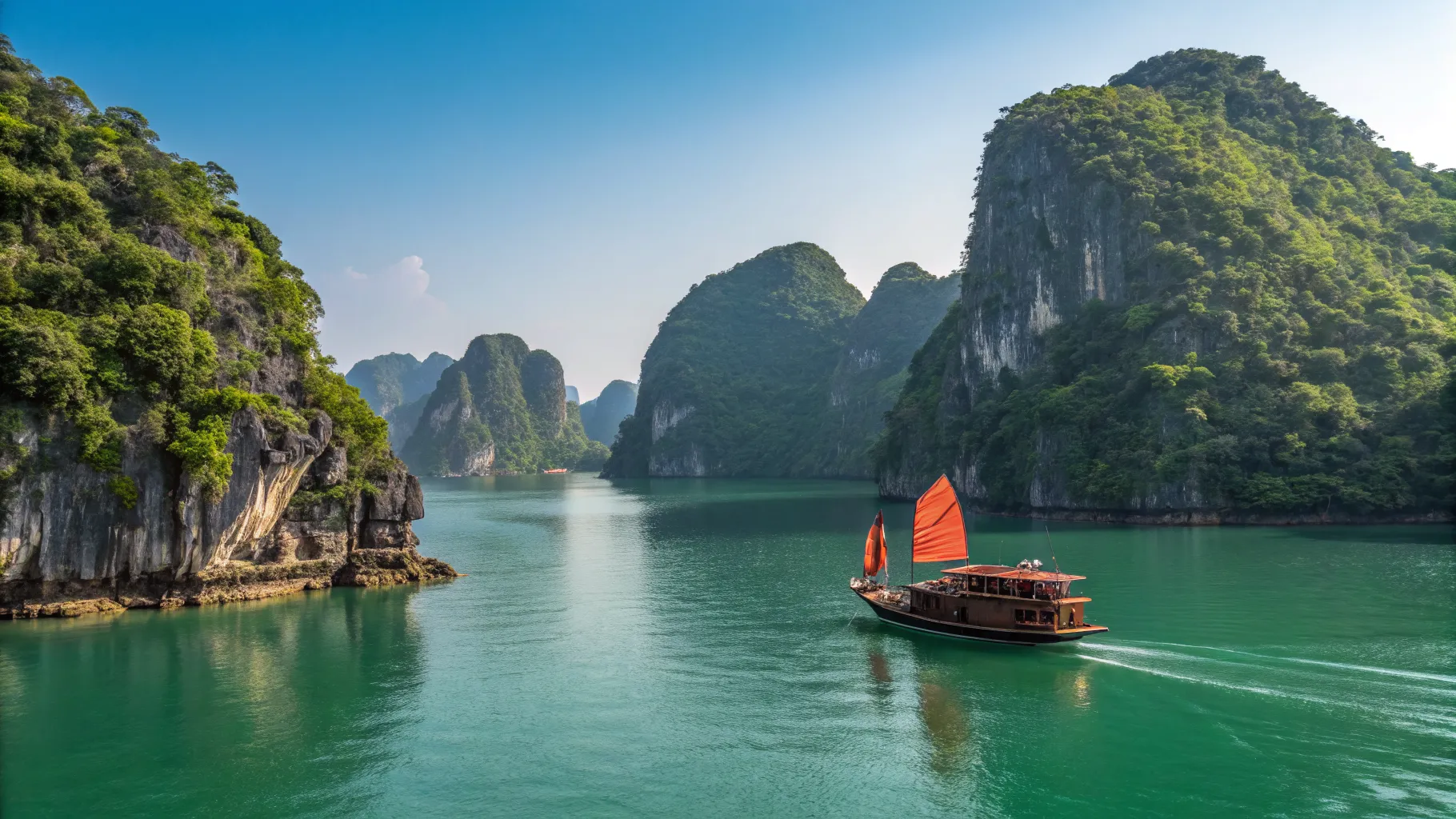
Vietnam has emerged as a premier travel destination, drawing visitors with its stunning natural beauty, ancient historical sites, and the warmth of its people. From the dramatic limestone karsts of Ha Long Bay to the bustling streets of Hanoi and Ho Chi Minh City, and the serene rice paddies of the Mekong Delta, the country presents an incredible tapestry of experiences. For many travelers, embarking on an organized tour is an ideal way to navigate this diverse landscape, offering convenience, local insights, and a structured itinerary.
Understanding the Appeal of Vietnam Tours
Vietnam's allure lies in its unique blend of traditional charm and modern dynamism. The country boasts a complex history, evident in its ancient temples, colonial architecture, and significant war sites. Beyond history, its natural landscapes range from pristine beaches and lush mountains to intricate river systems and vast caves. A well-planned tour can help travelers unlock these facets efficiently.
Tours in Vietnam are designed to cater to a wide range of interests and budgets, providing structured itineraries that often include accommodation, transportation, and guided excursions. This approach can alleviate the complexities of independent travel, allowing visitors to immerse themselves fully in the experience without worrying about logistics.
Types of Vietnam Tours Available
The variety of tours in Vietnam is extensive, reflecting the country's diverse offerings. Travelers can choose from immersive cultural journeys, thrilling adventure expeditions, relaxing scenic cruises, or specialized culinary explorations. Each type of tour aims to highlight different aspects of the country.
- Cultural and Historical Tours: These often focus on cities like Hanoi, Hue, and Hoi An, exploring ancient temples, imperial citadels, and UNESCO World Heritage sites, providing deep insights into Vietnamese traditions and history.
- Adventure Tours: For the more intrepid, options include trekking in the mountainous Sapa region, caving in Phong Nha Ke Bang National Park, or cycling tours through rural landscapes.
- Culinary Tours: Vietnam is renowned for its food. These tours often involve cooking classes, street food explorations, and visits to local markets, offering a taste of authentic Vietnamese cuisine.
- River and Coastal Cruises: Popular choices include overnight cruises in Ha Long Bay or Bai Tu Long Bay, and boat trips through the intricate waterways of the Mekong Delta.
- Multi-Region Tours: Many tours combine experiences across different regions, providing a comprehensive overview of the country from north to south.
Popular Destinations and Regions to Explore
Vietnam is broadly divided into three main regions: the North, Central, and South, each with distinct attractions and characteristics. Tours often focus on one region or combine elements from all three to provide a comprehensive experience.
In the North, key destinations include the vibrant capital city of Hanoi, with its old quarter and serene lakes, and the iconic Ha Long Bay. The mountainous Sapa region offers stunning terraced rice fields and ethnic minority villages. Central Vietnam is home to the imperial city of Hue, the charming lantern-lit town of Hoi An, and the coastal city of Da Nang. The South boasts the bustling metropolis of Ho Chi Minh City, the historical Cu Chi Tunnels, and the fertile Mekong Delta, known for its floating markets and fruit orchards.
Choosing the Right Tour Operator
Selecting a reputable tour operator is crucial for a positive travel experience. Research is key, as is understanding what is included in the tour package. Look for operators with a strong track record, positive customer reviews, and clear communication regarding their services.
- Reputation and Reviews: Check independent review sites and travel forums for feedback from previous travelers.
- Licensing and Accreditation: Ensure the operator is officially licensed and adheres to local regulations.
- Inclusions and Exclusions: Carefully review what the tour price covers (e.g., accommodation, meals, transportation, entrance fees, guides, flights).
- Group Size: Consider whether you prefer a large group tour for a more social experience or a smaller, more intimate group for personalized attention.
- Itinerary Flexibility: Some tours offer a degree of flexibility, while others are strictly structured. Decide which suits your travel style.
- Local Expertise: Operators employing local guides often provide richer cultural insights and support the local economy.
What to Expect on a Guided Vietnam Tour
A guided tour in Vietnam typically provides a well-organized itinerary, handling much of the logistics. You can expect pre-arranged accommodations ranging from budget-friendly guesthouses to luxury hotels, depending on your package. Transportation between destinations is usually included, often by comfortable air-conditioned coaches, trains, or domestic flights.
Tours will generally feature a professional local guide who can offer historical context, cultural insights, and assistance with practical matters. Activities and entrance fees to major attractions are usually covered. While some meals are included, especially breakfasts, you may have opportunities to explore local restaurants on your own, offering a chance to discover local culinary delights.
Tips for Planning Your Vietnam Tour
Careful planning can enhance your Vietnam tour experience significantly. Consider the best time to visit, visa requirements, and cultural norms to ensure a smooth and enjoyable trip. The country's climate varies greatly from north to south, so researching regional weather patterns for your travel dates is advisable.
Obtaining a visa is a prerequisite for most foreign visitors; this should be arranged in advance through the Vietnamese embassy or online e-visa system. Consult your doctor about recommended vaccinations and any necessary health precautions. Packing essentials should include lightweight clothing, comfortable walking shoes, sun protection, and insect repellent. Familiarize yourself with basic Vietnamese phrases and cultural etiquette, such as removing shoes before entering someone's home or a temple, and dressing modestly when visiting religious sites. Having some local currency on hand for small purchases is also practical.
Beyond the Itinerary: Independent Exploration vs. Organized Tours
While organized tours offer structure and convenience, some travelers prefer the freedom of independent exploration. For first-time visitors to Vietnam, or those with limited time, an organized tour can be immensely beneficial. It takes the stress out of planning and navigating an unfamiliar country, especially one with a different language and cultural nuances.
Tours often provide access to experiences and insights that might be harder to discover independently, thanks to the local knowledge of guides and pre-established networks. They can also be a cost-effective option, as operators often secure better rates for accommodation and transport. However, for those who relish spontaneity and crafting every detail of their journey, a more flexible, independent approach might be preferred, allowing for deeper dives into specific interests at one's own pace.
Authored by 24Trendz team