Essential Home Design Tips for Seniors Over 55
Home Design Tips for Seniors Over 55
As we age, our homes often need to adapt to our changing needs and lifestyles. For seniors over 55, designing a comfortable, safe, and accessible living space is crucial for promoting independence and well-being. Here are some valuable home design tips for seniors over 55 that can transform any residence into a sanctuary of comfort and safety.
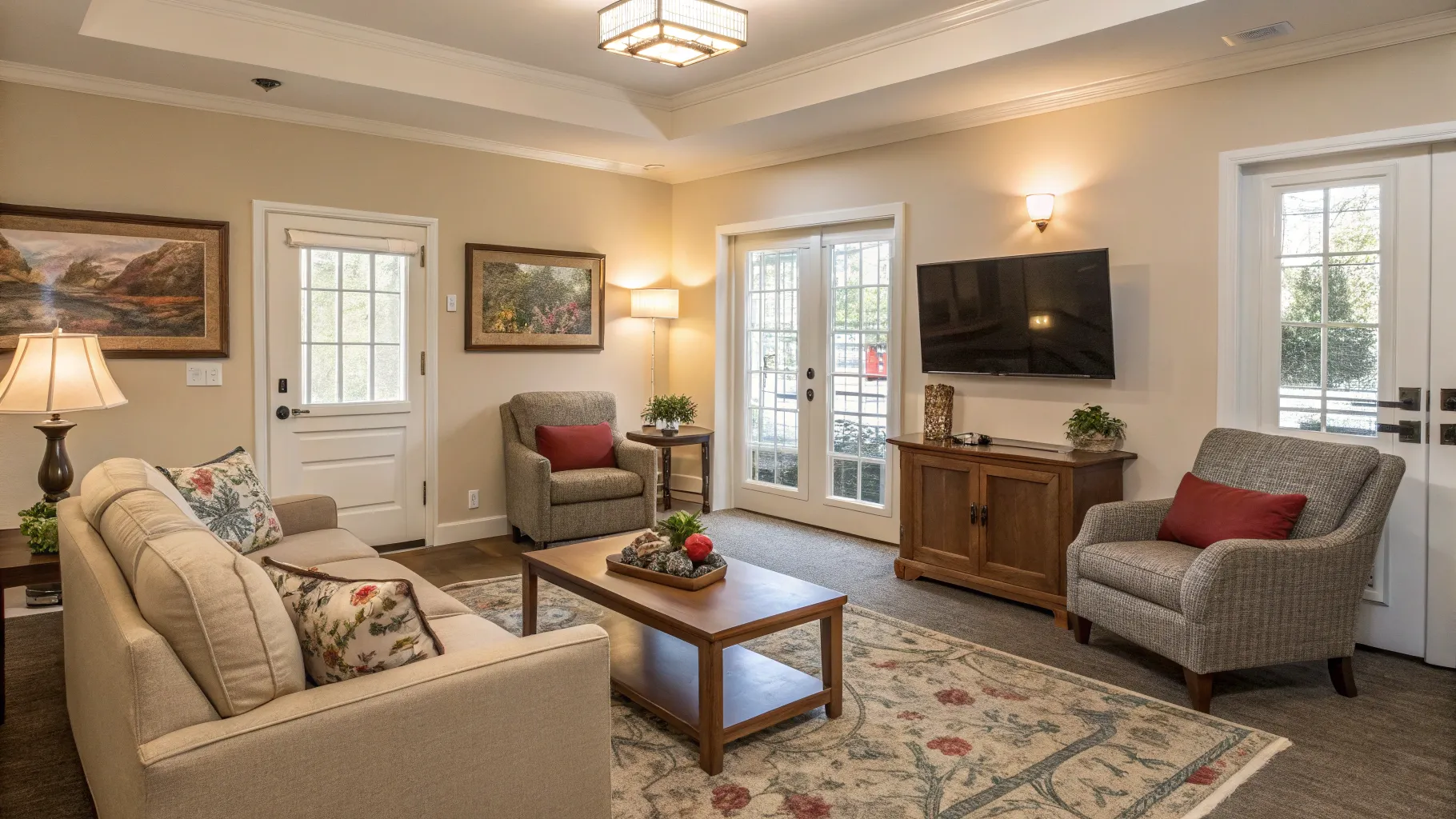
Prioritize Accessibility in Home Design
One of the most important considerations in accessible home design for the elderly is ensuring mobility is easy and stress-free. Here are several effective modifications to consider:
- Single-Level Living: Whenever possible, opt for a one-level home or ensure that essential living areas (like the kitchen, bathroom, and bedroom) are on the same floor. Stairs can become a significant safety risk as we age.
- Wider Doorways: Standard doors can be a barrier for walkers or wheelchairs. Wider doorways not only promote easier movement but also reduce the risk of accidents.
- Lever Door Handles: Replace traditional round doorknobs with lever handles. Lever handles are easier to use for those with limited hand strength.
Enhance Safety with Smart Home Technology
Integrating smart technology into home design can make daily tasks more manageable and safer. Recent studies show that over 70% of seniors find technology helpful in managing their daily lives. Here are some smart devices to consider:
- Smart Lighting: Install motion-sensor lights in hallways and stairwells. This can prevent falls during the night or in low-light situations.
- Smart Thermostats: Manage home temperatures easily, which is particularly useful for seniors who can be sensitive to heat changes.
- Voice-Activated Assistants: Devices like Amazon Echo or Google Home not only help with tasks but can also be used to make emergency calls if needed.
Interior Design for Comfort and Functionality
Creating a welcoming and functional interior space is essential. Here are some design principles and tips to keep in mind:
- Comfortable Furniture: Invest in furniture that is easy to sit in and get up from. Chairs with high backs and armrests provide support that can help seniors maintain their balance.
- Non-Slip Flooring: When considering flooring options, choose textures that prevent slipping, such as cork or low-pile carpeting. Avoid slippery tiles in areas like kitchens and bathrooms.
- Mindful Color Schemes: Use contrasting colors for walls and floors to help with depth perception. For example, dark rugs against light flooring can help seniors see boundaries better.
Home Safety Tips for Seniors Over 55
Ensuring safety in a senior's home is vital for peace of mind, both for the individual and their family members. Here are some practical home safety tips for seniors over 55:
- Bathroom Modifications: Install grab bars next to toilets and in showers or bathtubs. Non-slip mats can also prevent falls, and a shower chair can help during bathing.
- Emergency Response Systems: Consider personal emergency response systems (PERS). These devices allow seniors to signal for help with the push of a button.
- Regular Maintenance: Ensure that all household maintenance (like fixing loose floorboards or cleaning out gutters) is kept up to date to prevent accidents.
Home Remodeling Ideas for Seniors
If you're considering remodeling a home for senior living, consider the following ideas that have gained popularity recently:
- Open Floor Plans: An open layout minimizes obstacles and maximizes mobility. Removing unnecessary walls can create a spacious feeling and make the home easier to navigate.
- Kitchen Accessibility: Lower countertops can make kitchen tasks easier. Pull-out shelves and cabinets can also reduce the need to bend or stretch to access kitchen items.
- Outdoor Modifications: Create outdoor spaces that are both safe and beautiful. A level entry and a flat walking path can allow easy access to gardens or patios, promoting outdoor activity and relaxation.
Aging in Place Home Design Tips
Aging in place is a popular choice among seniors wishing to maintain their independence while staying in their homes. Here are some critical aging in place home design tips to consider:
- Plan for Future Needs: Think about potential mobility or health changes in the coming years and design your home to accommodate them now.
- Simplify Home Layouts: Ensure that essential items are easy to access. Keep frequently used items within reach, eliminating the need for precarious stretching or climbing.
- Incorporate Natural Elements: Design with natural light and outdoor views in mind. This not only creates a soothing atmosphere but can also enhance mood and overall well-being.
By focusing on safety, functionality, and comfort, seniors over 55 can enjoy their homes well into their golden years. Thoughtful home design and modification not only enhance the quality of life but also offer peace of mind for both seniors and their families. Whether you are considering renovating your existing home or designing a new one, these tips can guide you in creating a space that is as beautiful as it is practical.
Authored by 24Trendz team