Enhancing Your Home: Top Indoor Air Quality Solutions
Fast Facts:
- Indoor air can be 2-5 times more polluted than outdoor air.
- Improved ventilation trends are rising for residential properties.
Understanding the Imperative for Enhanced Indoor Air Quality Solutions
The unseen environment within our homes significantly impacts health and comfort. Poor indoor air quality can lead to numerous health issues, ranging from respiratory problems to fatigue. As we spend more time indoors, especially with modern energy-efficient building designs that often limit natural airflow, the demand for robust air purification systems and comprehensive solutions has become paramount. This article delves into the critical aspects of maintaining a healthy indoor atmosphere and explores various strategies to achieve optimal air purity.
Key Strategies for Improving Home Air Quality
Addressing the complex issue of indoor air pollution requires a multi-faceted approach. Implementing a combination of strategies can drastically improve the air you breathe daily. Understanding each component is crucial for effective implementation and long-term success in maintaining superior indoor air quality.
Advanced Air Purification Systems
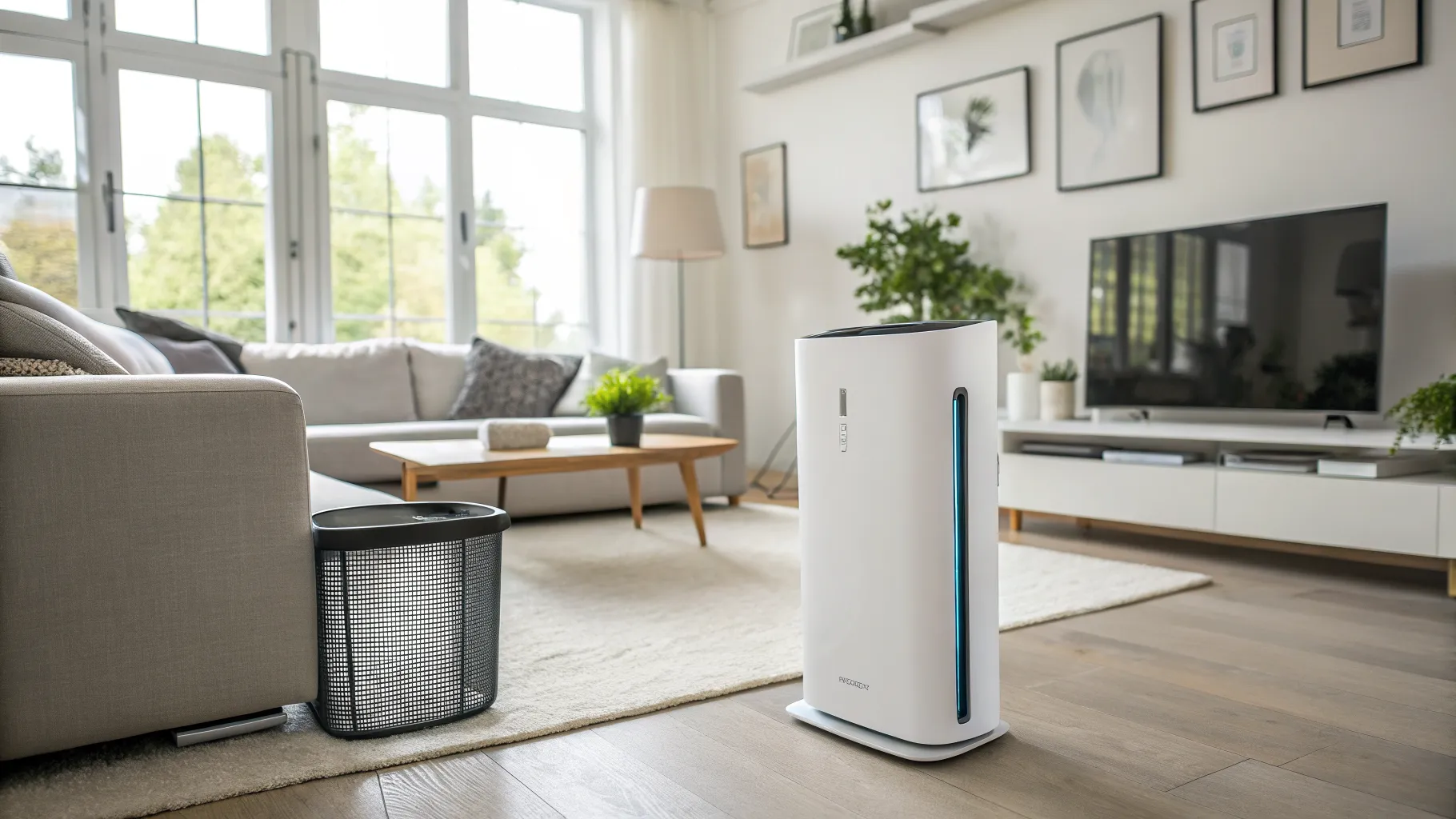
Modern air purification systems are at the forefront of combating indoor pollutants. These systems utilize various technologies, including High-Efficiency Particulate Air (HEPA) filters, which are capable of capturing 99.97% of airborne particles as small as 0.3 microns, encompassing dust, pollen, mold spores, and pet dander. Activated carbon filters excel at absorbing volatile organic compounds (VOCs) and odors, making them indispensable for homes with new furniture, paints, or cooking fumes. Furthermore, UV-C light technology can neutralize airborne viruses and bacteria, adding an extra layer of protection. When selecting an air purification system, consider the size of your space and the specific pollutants you wish to target to ensure maximum effectiveness.
Effective Ventilation Solutions
Proper ventilation is fundamental to good indoor air quality, as it helps dilute and remove indoor pollutants by exchanging stale indoor air with fresh outdoor air. Natural ventilation, achieved by opening windows and doors, is the simplest method but can be weather-dependent and introduce outdoor allergens. Mechanical ventilation solutions, such as exhaust fans in bathrooms and kitchens, remove moisture and cooking odors directly at the source. More advanced options include Heat Recovery Ventilators (HRVs) and Energy Recovery Ventilators (ERVs), which provide continuous fresh air while minimizing energy loss by transferring heat (and sometimes moisture) between the incoming and outgoing air streams. These systems are particularly beneficial in colder climates or for highly sealed homes, ensuring consistent air exchange without compromising energy efficiency.
Regular HVAC Maintenance and Upgrades
Your Heating, Ventilation, and Air Conditioning (HVAC maintenance) system plays a crucial role in circulating and filtering air throughout your home. Regular maintenance, including changing air filters every 1-3 months, is paramount. Dirty filters restrict airflow and lose their ability to capture pollutants, allowing dust, allergens, and microbes to recirculate. Beyond filter changes, professional annual inspections can identify and address issues such as leaky ducts, which can draw in unfiltered air from attics or crawl spaces, and ensure that your system operates efficiently. Upgrading to higher MERV-rated filters (Minimum Efficiency Reporting Value) can significantly enhance the filtration capabilities of your existing HVAC system, contributing to better home air quality.
Source Control and Reduction of Pollutants
The most effective way to improve indoor air quality is to eliminate or reduce pollutant sources at their origin. This involves identifying potential contributors such as cleaning products containing VOCs, synthetic fragrances, off-gassing from new building materials or furniture, and mold growth. Opt for low-VOC paints and furnishings, use natural or eco-friendly cleaning supplies, and ensure proper humidity control to prevent mold and mildew. Regularly cleaning surfaces, vacuuming with HEPA-filter vacuums, and managing pet dander can also drastically reduce airborne particulate matter. Source control is a proactive measure that works in conjunction with air purification systems to create a truly healthy indoor environment.
Monitoring and Smart Indoor Air Quality Devices
You can't manage what you don't measure. Smart indoor air quality monitors provide real-time data on various pollutants, including particulate matter (PM2.5), VOCs, carbon dioxide (CO2), temperature, and humidity. These devices can alert you to potential problems, allowing you to take immediate action, such as activating an air purifier or increasing ventilation. Integrating these monitors with smart home systems can automate responses, for example, triggering an air purifier when pollutant levels rise. This technological approach offers homeowners unprecedented control and insight into their living environment, enabling them to make informed decisions for sustained home air quality improvement.
Comparing Different Air Purification Systems
Choosing the right air purification system can be daunting given the variety of technologies available. HEPA filters are excellent for particulate removal but do not address gases or odors. Activated carbon filters are specifically designed for gases and VOCs but do not filter particles. Electrostatic precipitators can remove small particles but may produce ozone, a lung irritant, which is a concern for some health organizations. UV-C light sterilizers target biological contaminants like bacteria and viruses but have no effect on dust or chemicals. Ionizers also remove particles by charging them, making them stick to surfaces or each other, but also have potential ozone concerns. For comprehensive indoor air quality, a multi-stage purifier combining several technologies, such as a HEPA filter with an activated carbon layer and a UV-C light, often provides the most robust protection against a wide spectrum of pollutants, ensuring superior air purification systems are in place.
Practical Steps for Implementing Indoor Air Quality Solutions
- Conduct a Home Audit: Walk through your home to identify potential sources of pollution. This could include old carpets, leaky plumbing, or unvented combustion appliances. Identifying these sources is the first step towards implementing effective indoor air quality solutions.
- Improve Ventilation Routinely: Make a habit of opening windows for at least 15 minutes daily, even in colder weather, to exchange stale indoor air with fresh outdoor air. Utilize exhaust fans in kitchens and bathrooms to remove moisture and cooking fumes promptly.
- Maintain HVAC Systems Proactively: Schedule annual professional HVAC maintenance and regularly change air filters according to manufacturer recommendations, or more frequently if you have pets or allergies. Consider upgrading to a higher MERV-rated filter for enhanced particulate capture.
- Choose Low-VOC Products: When buying new furniture, carpets, paints, or cleaning supplies, opt for low-VOC (Volatile Organic Compound) alternatives to minimize chemical off-gassing into your living space, significantly improving home air quality.
- Control Humidity Levels: Use dehumidifiers in damp areas like basements or bathrooms to keep humidity levels between 30-50%, preventing mold and mildew growth. Ensure proper drainage around your home's foundation.
- Integrate Air Purifiers Strategically: Place portable air purification systems in rooms where you spend the most time or where pollution sources are highest, such as bedrooms, living rooms, or near pet areas. Consider a whole-house purification system for comprehensive coverage.
Frequently Asked Questions
What are the common sources of poor indoor air quality?
Common sources include combustion byproducts from stoves or fireplaces, volatile organic compounds (VOCs) from cleaning products and furniture, mold and mildew from excessive moisture, allergens like dust mites and pet dander, and outdoor pollutants entering through open windows or cracks. Understanding these sources is key to effective indoor air quality solutions.
How often should I maintain my HVAC system for optimal air quality?
For optimal home air quality, it is recommended to change your HVAC air filters every 1 to 3 months, depending on usage, pet presence, and allergen sensitivity. A professional HVAC maintenance check-up should be performed annually to ensure the system is clean, efficient, and functioning correctly.
Can houseplants significantly improve indoor air quality?
While houseplants can contribute to a slightly healthier indoor environment by absorbing some pollutants and releasing oxygen, their impact on significantly improving indoor air quality in a typical home setting is generally modest compared to mechanical air purification systems and proper ventilation. They are a beneficial addition but not a primary solution.
References
- Environmental Protection Agency (EPA) publications on Indoor Air Quality.
- World Health Organization (WHO) guidelines for indoor air pollution.
- Studies from leading academic institutions on residential ventilation strategies.
- Consumer reports and reviews of advanced air purification technologies.
Authored by 24Trendz team