Maximize Your Home's Comfort and Savings with Energy Efficient HVAC Replacements
Facts:
- Modern HVAC systems reduce energy consumption by up to 40%.
- Smart thermostats lead to significant energy savings for homeowners.
Unlocking Substantial Savings with Energy Efficient HVAC Replacements
Investing in an Energy Efficient HVAC system is one of the most impactful decisions homeowners can make to improve comfort, reduce utility bills, and contribute to environmental sustainability. The landscape of home heating and cooling has evolved dramatically, offering advanced technologies that promise not just superior climate control but also significant energy savings over the lifespan of the unit. Understanding the benefits and options available for an HVAC replacement is crucial for any homeowner looking to optimize their living space.
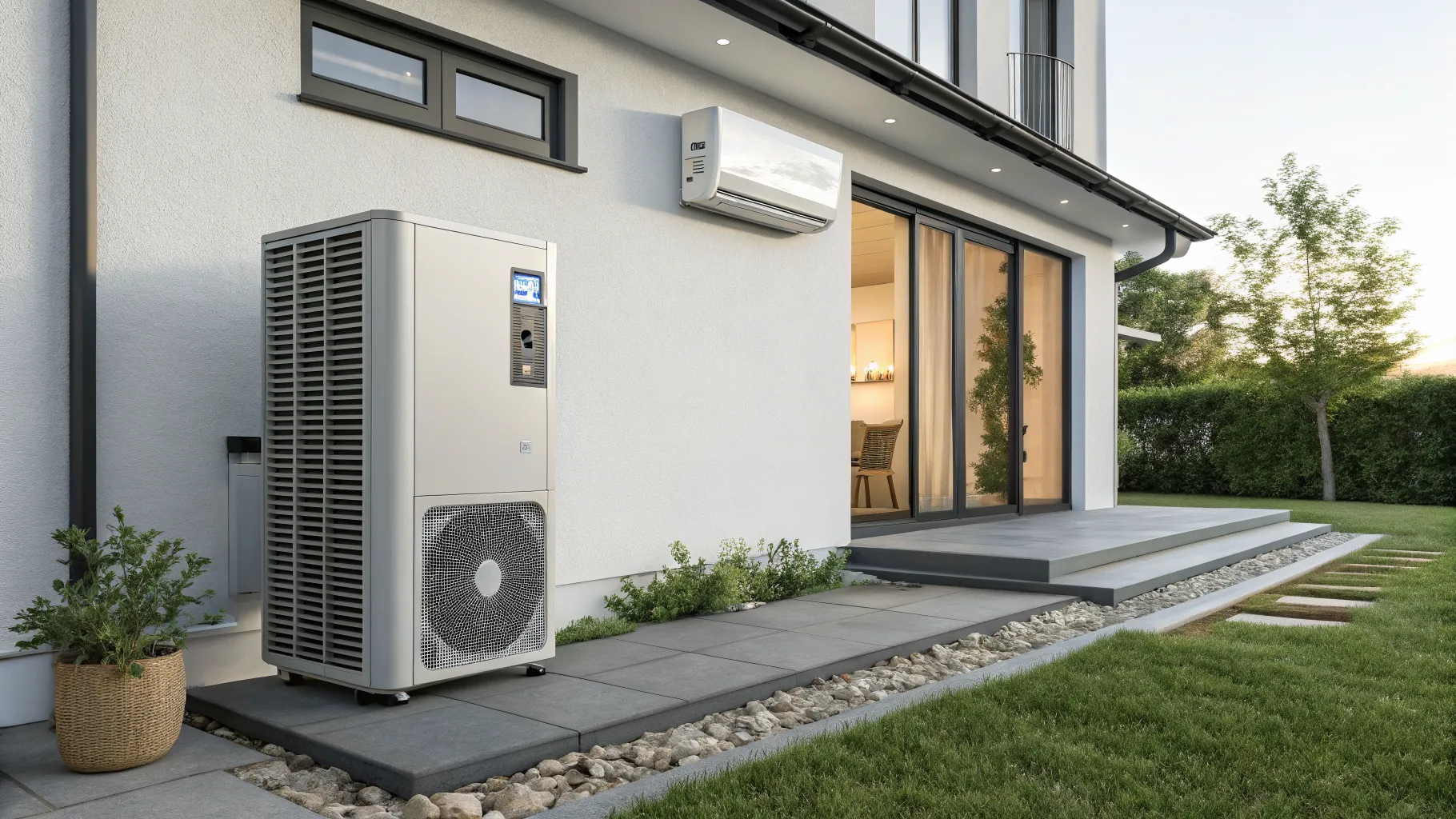
The Core Benefits of High-Efficiency HVAC Systems
Opting for high-efficiency HVAC systems goes beyond just reducing your carbon footprint; it's a strategic investment in your home's future. The primary advantage lies in unparalleled energy savings, which directly translates to lower monthly utility bills. Modern units consume significantly less power to achieve the same or even superior heating and cooling performance compared to older models. This efficiency is often measured by metrics like SEER (Seasonal Energy Efficiency Ratio) for air conditioners and heat pumps, and AFUE (Annual Fuel Utilization Efficiency) for furnaces. Higher ratings indicate greater efficiency and more substantial savings. Beyond the financial benefits, these systems often provide enhanced comfort through more consistent temperatures, better humidity control, and quieter operation. An HVAC upgrade also improves indoor air quality, as newer systems often incorporate advanced filtration technologies, making your home a healthier environment.
Key Types of Energy Efficient HVAC Replacements
The market for Energy Efficient HVAC Replacements offers a diverse range of technologies, each designed to meet specific needs and home configurations. Understanding these options is the first step towards making an informed decision about your next HVAC replacement.
Advanced Heat Pumps
Heat pump technology is at the forefront of energy-efficient heating and cooling. Unlike traditional furnaces that generate heat, heat pumps transfer heat from one place to another. In winter, they extract heat from the outside air (even cold air) and transfer it indoors; in summer, they reverse the process, moving heat from inside your home to the outside. Modern heat pumps are incredibly efficient, especially in moderate climates, and can drastically reduce energy consumption for both heating and cooling. Air-source heat pumps, geothermal heat pumps, and ductless mini-splits are popular variations, offering significant energy savings and environmental benefits.
High-Efficiency Central Air Conditioners
For homes primarily relying on central air conditioning, upgrading to a high-efficiency model is a crucial step for an Energy Efficient HVAC replacement. These units boast higher SEER ratings, meaning they use less energy to cool your home. Features like two-stage compressors, variable-speed fan motors, and advanced refrigerants contribute to their superior performance and quiet operation. A professional **HVAC replacement** ensures that the new unit is perfectly sized for your home, preventing short cycling and maximizing its efficiency.
Modern Furnaces and Boilers
While often associated with fossil fuels, modern furnaces and boilers have made significant strides in energy efficiency. High-efficiency gas furnaces, for instance, can achieve AFUE ratings of 90% or higher, meaning 90% or more of the fuel's energy is converted into usable heat. Condensing furnaces capture heat from exhaust gases that would otherwise be wasted. For hydronic heating systems, modern boilers are also designed for optimal fuel consumption, offering quiet, consistent warmth. An HVAC upgrade to a high-efficiency furnace or boiler can dramatically cut heating costs, especially in colder climates.
Ductless Mini-Split Systems
For homes without existing ductwork, additions, or areas requiring individual temperature control, ductless mini-split systems offer a highly efficient and flexible solution. These systems consist of an outdoor compressor/condenser and multiple indoor air-handling units, each controlling a specific zone. This zoned approach allows homeowners to heat or cool only the occupied spaces, leading to substantial energy savings. Their easy installation and quiet operation make them an excellent choice for targeted HVAC upgrades.
Smart Technology Integration for Optimized Performance
The true potential of Energy Efficient HVAC Replacements is fully realized when integrated with smart home technologies. Smart thermostats, for instance, learn your daily routines and adjust temperatures automatically, ensuring maximum comfort and minimum energy waste. They can be controlled remotely via smartphone, allowing you to optimize settings even when you're away. Beyond thermostats, advanced zoning systems allow for precise temperature control in different areas of your home, preventing unnecessary heating or cooling of unoccupied rooms. These integrated solutions provide unparalleled control over your indoor climate, leading to greater energy savings and a more comfortable living experience. The synergy between a high-efficiency HVAC system and smart controls makes your home truly intelligent about its energy consumption.
Navigating Your HVAC Replacement Journey: A Practical Guide
Embarking on an HVAC replacement project requires careful planning to ensure you select the best system for your home and maximize your investment. Here’s actionable advice for a smooth and successful upgrade:
- Choose the Right Contractor: The installation quality profoundly impacts the efficiency and longevity of your new system. Select a reputable contractor with certifications, positive reviews, and extensive experience in installing high-efficiency HVAC systems. They should conduct a thorough assessment of your home's specific needs, not just replace like-for-like.
- Assess Your Home's Needs: Before committing to an Energy Efficient HVAC replacement, have your contractor perform a load calculation to determine the exact heating and cooling requirements of your home. Factors like insulation levels, window efficiency, and air sealing play a crucial role. An improperly sized system, whether too small or too large, will operate inefficiently and lead to discomfort.
- Understand Rebates and Incentives: Research federal, state, and local incentives for installing energy efficient HVAC replacements. Many utility companies also offer rebates for specific models or SEER/AFUE ratings. These programs can significantly offset the initial cost of an HVAC upgrade, making high-efficiency options more accessible.
- Consider Maintenance Plans: To ensure your new high-efficiency HVAC system operates at peak efficiency for years to come, regular maintenance is essential. Inquire about annual maintenance plans offered by your contractor. These plans typically include seasonal tune-ups that can prevent costly breakdowns, extend the lifespan of your unit, and maintain optimal energy savings.
- Review Warranties: Understand the warranty coverage for your new system's components and labor. A comprehensive warranty provides peace of mind and protection for your significant investment. Ensure you receive all necessary documentation and register your product for warranty coverage if required.
Comparing Energy Efficient HVAC Options
The decision to undertake an HVAC replacement often involves a careful comparison of various systems, each offering distinct advantages in specific scenarios. For instance, while a traditional high-efficiency central air conditioner with a high SEER rating might be ideal for homes with existing ductwork and uniform cooling needs, a homeowner in a region with mild winters and hot summers might find an advanced heat pump technology to be a more versatile and energy-efficient solution. Heat pumps provide both heating and cooling, often at a lower operational cost than separate furnace and AC units, making them a top contender for energy savings. Furthermore, for homes without existing ductwork or those requiring zoned temperature control, ductless mini-split systems present an unparalleled level of flexibility and localized energy management. These systems allow for individual room temperature control, preventing energy waste in unoccupied areas, a significant advantage over single-zone systems. When considering an HVAC upgrade, it's crucial to evaluate not just the initial installation cost, but also the long-term operational expenses, maintenance requirements, and the specific climate conditions of your region to ensure the chosen high-efficiency HVAC system truly aligns with your home's needs and your financial goals.
Frequently Asked Questions
How much can I save with an Energy Efficient HVAC replacement?
Savings vary based on your old system's efficiency, the new system's SEER/AFUE rating, and your local climate. Many homeowners report 20-40% reduction in heating and cooling costs annually. Modern high-efficiency HVAC systems are designed to deliver significant long-term energy savings.
What is the typical lifespan of a new high-efficiency HVAC system?
With proper installation and regular maintenance, a new Energy Efficient HVAC system typically lasts 15-20 years. Regular servicing ensures optimal performance and extends the life of your investment, maximizing your energy savings.
Are there incentives for installing energy efficient HVAC replacements?
Absolutely. Many federal, state, and local governments, as well as utility companies, offer rebates, tax credits, and financing options for installing qualifying high-efficiency HVAC systems. It's advisable to research available programs in your area before making an HVAC replacement decision.
References
- U.S. Department of Energy. "Energy Savers: Heating and Cooling."
- ENERGY STAR. "Heating and Cooling Your Home."
- Various industry reports on HVAC efficiency trends.
Authored by 24Trendz team