Engaging Activities and Programs at Senior Community Centers
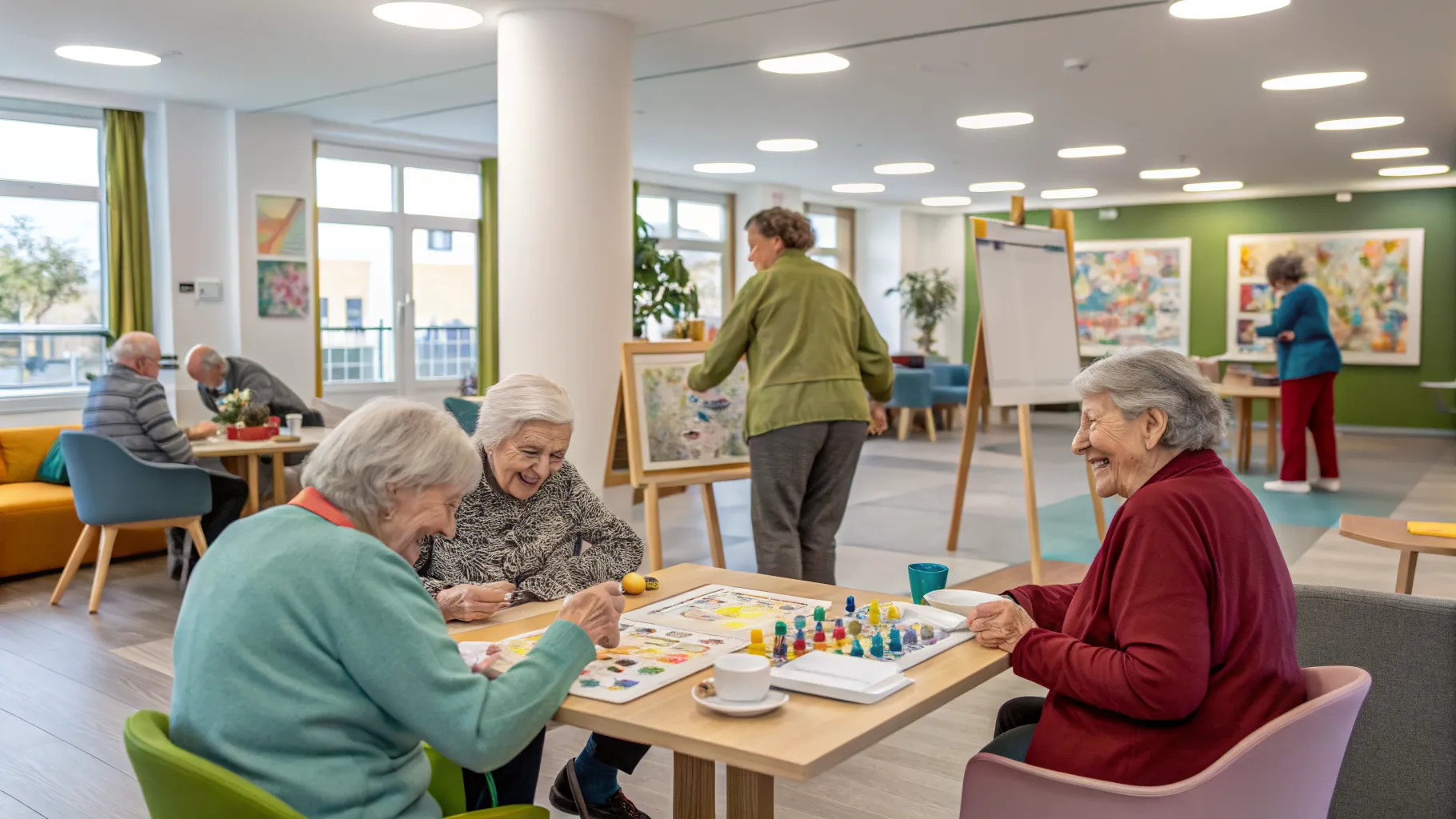
Senior community centers serve as vital hubs for older adults, providing a welcoming environment where individuals can socialize, stay active, learn new skills, and contribute to their communities. These centers are dedicated to promoting healthy aging by offering a wide range of programs that cater to diverse interests and abilities. Far from just being a place for bingo, modern senior centers are dynamic spaces fostering physical health, mental engagement, and strong social bonds.
The Role of Senior Community Centers in Healthy Aging
Senior community centers play a crucial role in supporting the overall well-being of older adults. They combat social isolation, which can have significant health implications, by creating a sense of belonging and community. These centers act as central points for accessing resources and information relevant to seniors, from healthcare services to transportation options.
By providing structured and informal opportunities for engagement, centers help seniors maintain their independence and quality of life. They offer a safe and accessible space where individuals can pursue hobbies, make new friends, and remain active participants in society, contributing to a more fulfilling later life.
Social and Recreational Pursuits for Connection
One of the primary functions of senior community centers is to facilitate social interaction and recreational enjoyment. These activities are essential for mental health and fostering meaningful connections among peers. Centers often host a variety of social events, from potlucks and themed parties to holiday celebrations.
Recreational options are typically abundant, ranging from card games and board game clubs to billiards and bowling leagues. Many centers also organize regular outings to local attractions, such as museums, parks, or theaters, providing opportunities for shared experiences and exploration outside the center's walls.
Health and Wellness Programs for Mind and Body
Maintaining physical and mental health is a cornerstone of senior community center programming. These centers typically offer a diverse schedule of fitness classes tailored to different mobility levels, including chair yoga, tai chi, gentle aerobics, and walking clubs. These programs aim to improve strength, flexibility, balance, and cardiovascular health.
Beyond physical activity, centers often provide health education workshops on topics like nutrition, managing chronic conditions, medication safety, and stress reduction. They may also host health screenings, such as blood pressure checks or flu shot clinics, making preventative care more accessible to their members.
Creative Arts and Hobbies for Self-Expression
Creative expression and engaging in hobbies can significantly enhance emotional well-being and cognitive function. Senior community centers are excellent places to explore new artistic endeavors or rekindle old passions. Many centers offer art classes in various mediums, including painting, drawing, pottery, and sculpture.
Crafts such as knitting, crocheting, quilting, and jewelry making are also popular, providing opportunities for both individual creativity and group collaboration. Music programs, including choir groups, instrument lessons, and sing-alongs, further enrich the artistic landscape, allowing seniors to share their talents and enjoy the benefits of musical engagement.
Lifelong Learning and Skill Development
The desire to learn does not diminish with age, and senior community centers often champion lifelong learning. They provide a platform for intellectual stimulation and skill acquisition through a variety of educational programs. These might include computer literacy classes, helping seniors navigate the digital world and connect with family online.
Other learning opportunities could involve language courses, book clubs, history lectures, current events discussions, and workshops on personal finance or gardening. These programs not only broaden horizons but also keep minds sharp and engaged, fostering a sense of accomplishment and continued personal growth.
Volunteer Opportunities and Community Engagement
Many seniors seek ways to remain active and contribute their wisdom and experience to their communities. Senior community centers frequently facilitate volunteer opportunities both within the center and with external organizations. Members might volunteer to assist with center operations, mentor younger individuals, or participate in local community service projects.
These opportunities provide a sense of purpose and allow seniors to give back, reinforcing their value and connection to the broader community. Engaging in volunteer work can also lead to new friendships and a deeper understanding of local needs, enriching the lives of both the volunteers and those they serve.
Finding the Right Center for Your Needs
When seeking a senior community center, it is beneficial to visit a few local options to get a feel for their atmosphere and programs. Consider what types of activities align with your interests, whether you prefer structured classes or more informal social gatherings. Look for a center that offers a welcoming environment and has staff who are knowledgeable and approachable.
Accessibility is another important factor; ensure the center is easy to reach and has facilities that accommodate your mobility needs. Most centers welcome new members and will often allow potential participants to try out a few activities before committing, helping you find the perfect place to connect and thrive.
Authored by 24Trendz team