Electric Water Heater: The Ultimate Guide for Your Home
Facts:
- Modern electric heaters can achieve over 99% thermal efficiency.
- A growing trend is smart-grid enabled units for homeowners.
Decoding the Advantages of Modern Electric Water Heaters
Choosing the right water heating solution is a critical decision for any homeowner, impacting both daily comfort and long-term energy expenses. The electric water heater has evolved significantly from its predecessors, now representing a highly efficient and reliable option for households of all sizes. These modern units offer precise temperature control, improved safety features without the need for gas lines or ventilation, and a smaller physical footprint. Whether you are considering a traditional tank model or a new tankless water heater, understanding their capabilities is the first step toward optimizing your home's hot water systems and achieving significant savings on your utility bills. An energy efficient water heater is no longer a luxury but a standard for cost-conscious and environmentally aware consumers.
Types of Electric Water Heaters: Tank vs. Tankless
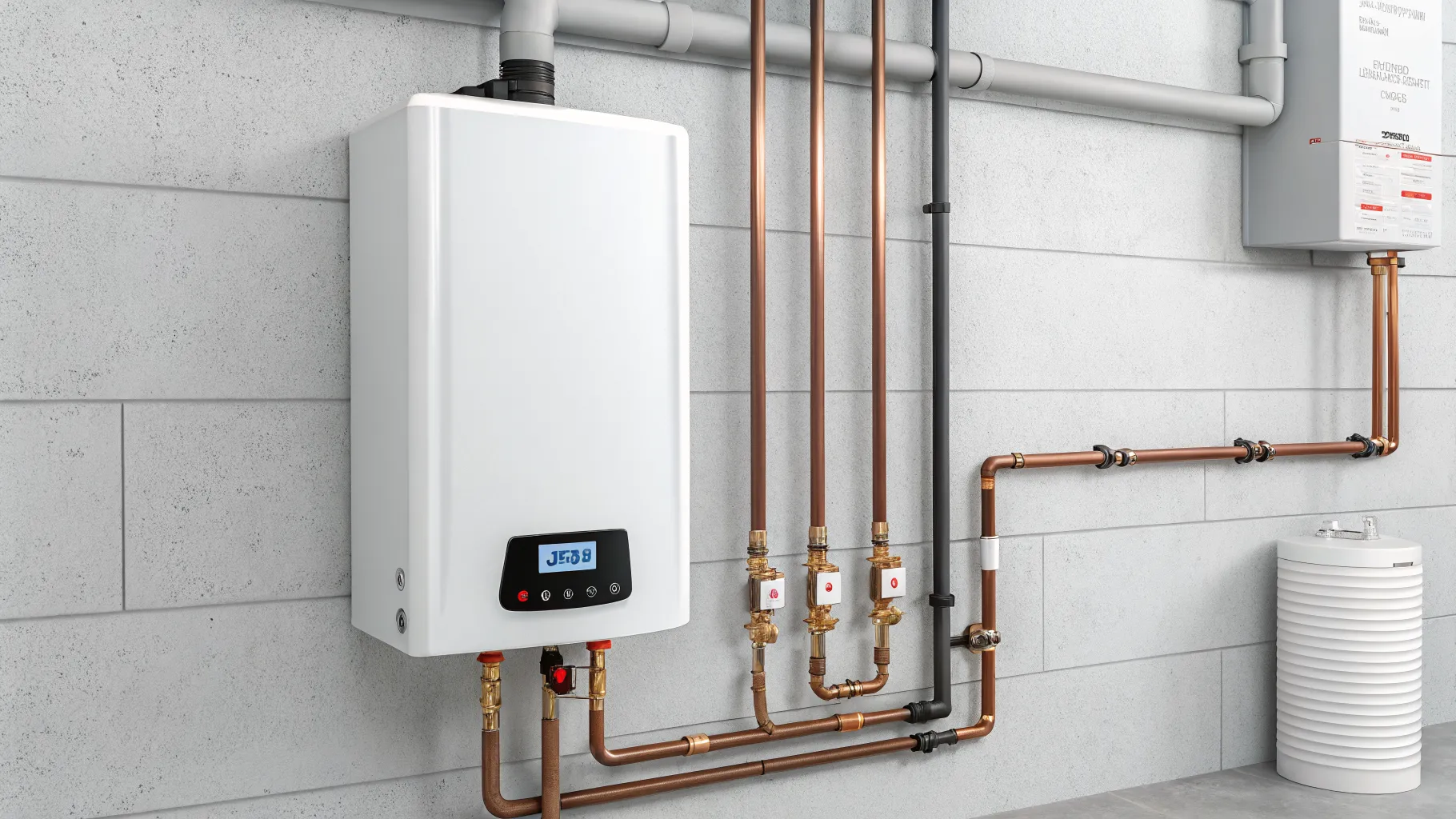
When selecting an electric water heater, the primary choice is between a conventional storage tank model and an on-demand tankless water heater. The traditional storage tank heater keeps a reservoir of water constantly heated to a set temperature, ensuring a ready supply is available. They are typically less expensive upfront and have a simpler water heater installation process. However, they can suffer from standby heat loss, where energy is wasted keeping the stored water hot. In contrast, a tankless water heater, also known as an on-demand unit, heats water instantaneously as it flows through the device. This eliminates standby heat loss, making it a highly energy efficient water heater. While the initial cost is higher, the long-term operational savings and endless supply of hot water make it an attractive option for many families.
Key Considerations Before Your Purchase
Selecting the ideal electric water heater requires more than just picking a model. You must assess your household's specific needs. First, consider the capacity or flow rate. For storage tank models, this is measured in gallons; for tankless models, it's gallons per minute (GPM). A family of four will have very different requirements than a single individual. Second, scrutinize the Uniform Energy Factor (UEF) rating. A higher UEF rating signifies a more energy efficient water heater, translating directly into lower monthly bills. Finally, look at the first-hour rating (for tank models), which tells you how many gallons of hot water the unit can produce in an hour of high demand. Properly evaluating these factors ensures your chosen hot water systems will perform effectively without being oversized or insufficient for your needs.
The Professional Water Heater Installation Process
While some homeowners might consider a DIY approach, a professional water heater installation is highly recommended to ensure safety, compliance with local building codes, and optimal performance. A certified plumber will handle the entire process correctly, which typically involves these crucial steps:
- Site Assessment: The professional first evaluates the installation location, ensuring there is adequate space, proper electrical connections, and access for future maintenance. They will confirm that the existing wiring and circuit breaker can handle the load of the new electric water heater.
- Draining and Removal: The old unit is safely disconnected from the power and water lines. The tank is then completely drained, a process that can be time-consuming, before the old heater is carefully removed from the premises.
- New Unit Placement and Connection: The new electric water heater is positioned and secured. The technician then connects the cold water inlet and hot water outlet using high-quality pipes and fittings, ensuring all connections are watertight to prevent leaks.
- Electrical Wiring: This is the most critical step. The installer connects the unit to the dedicated electrical circuit, adhering to strict safety protocols to prevent electrical hazards. This ensures the unit operates efficiently and safely for years to come.
- System Test and Commissioning: Once the water heater installation is complete, the system is filled with water, and all air is purged from the lines. The power is turned on, and the thermostat is set. The technician will run a full cycle to check for leaks and verify that the unit is heating water correctly and efficiently.
Maximizing the Efficiency of Your Hot Water Systems
Once your new electric water heater is installed, a few simple practices can help you maximize its efficiency and extend its lifespan. Setting the thermostat to 120°F (49°C) is often sufficient for most household needs and can reduce energy consumption significantly. Insulating the first few feet of hot and cold water pipes can reduce heat loss as water travels from the heater. For tank-style models, flushing the tank annually helps remove sediment buildup, which can impair efficiency and corrode the tank over time. For those with a tankless water heater, annual descaling is recommended, especially in areas with hard water, to keep the heating elements clean and effective. These maintenance steps are key to getting the most out of your hot water systems.
Frequently Asked Questions
How long does a typical electric water heater last?
A conventional storage tank electric water heater typically has a lifespan of 8 to 12 years. A tankless water heater, with proper maintenance, can last much longer, often up to 20 years or more, due to its design and the fact that its components are often replaceable.
Is a tankless water heater a better investment than a storage tank model?
A tankless model is generally a better long-term investment. While the upfront cost for the unit and water heater installation is higher, its superior energy efficiency leads to significant savings on utility bills over its lifespan. The endless supply of hot water is also a major benefit for larger households.
What are the common signs that I need a new water heater installation?
Key indicators include inconsistent water temperature, discolored or rusty-looking hot water, strange noises like popping or rumbling from the tank, visible leaks around the base of the unit, and the age of the heater itself. If your unit is over a decade old and experiencing issues, it's often more cost-effective to replace it with a new energy efficient water heater.
References
- U.S. Department of Energy - Water Heating
- Energy Star Program - Water Heaters for Consumers
- Plumbing and Mechanical Contractors Association
- International Association of Plumbing and Mechanical Officials
Authored by 24Trendz team