Electric Water Heater: The Ultimate Guide to Energy Efficiency and Installation
Facts:
- Electric resistance is over 99% efficient at converting electricity to heat.
- Smart technology integration is a growing trend for residential hot water solutions.
Understanding the Core of Modern Hot Water Solutions
The electric water heater stands as a cornerstone of modern household convenience, providing the essential comfort of hot water for everything from a morning shower to washing dishes. Unlike their gas-powered counterparts, these units rely solely on electricity to heat water, offering a versatile and often more accessible option for many homes. As technology advances, the focus has increasingly shifted towards improving energy efficiency and providing smarter, more responsive systems. Whether you are considering a traditional storage tank model or a modern tankless water heater, understanding the fundamentals is key to making an informed decision that aligns with your family's needs and budget, ensuring you have reliable hot water solutions for years to come.
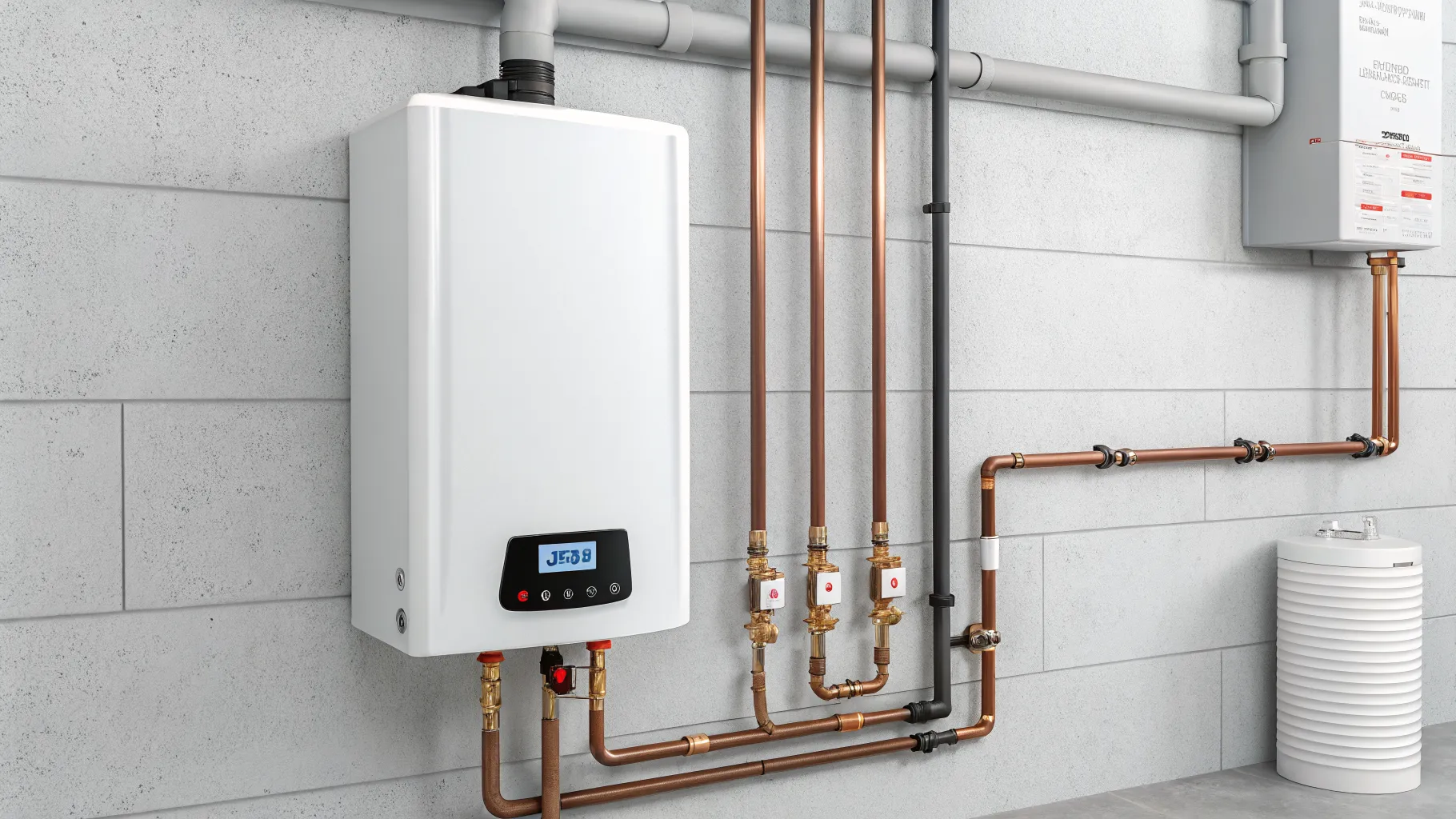
How an Electric Water Heater Functions
The operational principle of a standard electric water heater with a storage tank is straightforward yet effective. It's essentially an insulated tank equipped with one or two electric resistance heating elements. When the thermostat detects that the water temperature has fallen below a preset level, it activates the heating elements, which then transfer heat directly to the water. A dip tube ensures cold water enters at the bottom of the tank, pushing the heated, lighter water to the top where the hot water outlet pipe is located. This cycle of heating and storing keeps a ready supply of hot water available. The insulation around the tank is crucial for minimizing standby heat loss, a key factor in the overall energy efficiency of the unit. Proper maintenance, including periodically flushing the tank to remove sediment, is vital for keeping these components working efficiently.
Tank vs. Tankless: Choosing Your Electric Water Heater
One of the most significant decisions when selecting an electric water heater is choosing between a traditional storage tank model and an on-demand tankless water heater. Storage tank heaters are the classic choice, offering a lower initial purchase price and a large reservoir of hot water. However, they continuously use energy to keep that water heated, leading to standby heat loss. In contrast, a tankless water heater heats water instantaneously as it flows through the unit. This eliminates standby loss, resulting in significant gains in energy efficiency and lower utility bills over time. While tankless models have a higher upfront cost and may require electrical upgrades for a proper water heater installation, they provide an endless supply of hot water and have a longer lifespan, making them superior long-term hot water solutions for many households.
Maximizing Energy Efficiency in Your Home
Achieving optimal energy efficiency from your electric water heater goes beyond just selecting a good model. Several practical steps can dramatically reduce your energy consumption. First, ensure your water heater's thermostat is set to an optimal temperature, typically around 120°F (49°C), to prevent scalding and wasted energy. Insulating the hot water pipes can reduce heat loss as water travels from the heater to the faucet, meaning you don't have to wait as long for hot water. For older storage tank models, an insulating blanket can be wrapped around the tank to further minimize standby heat loss. Regularly checking for and repairing leaks in faucets and pipes also prevents the unnecessary activation of your water heater. These small adjustments collectively contribute to a more sustainable and cost-effective system.
Key Considerations for Water Heater Installation
A successful water heater installation is critical for both safety and performance. While some experienced DIYers may tackle the job, professional installation is often recommended, especially for a tankless water heater which can have complex electrical requirements. Here are some key factors to consider:
- Correct Sizing: Ensure the unit is properly sized for your household's needs. An undersized heater will struggle to keep up, while an oversized one wastes energy and money. Consider your family size and peak hot water usage.
- Electrical Requirements: An electric water heater requires a dedicated circuit. Verify that your home's electrical panel can handle the amperage draw of the new unit, particularly for powerful tankless models that may require upgraded wiring.
- Plumbing and Location: The installation location should be level, secure, and provide easy access for future maintenance. All plumbing connections must be secure to prevent leaks, and a temperature and pressure relief valve is a mandatory safety feature.
- Local Codes and Permits: Always check local building codes before beginning a water heater installation. Some jurisdictions require a permit and a licensed plumber to perform the work, ensuring it meets all safety standards.
The Future of Residential Hot Water Solutions
The landscape of residential hot water solutions is rapidly evolving. The modern electric water heater is becoming smarter and more integrated into the connected home. New models feature Wi-Fi connectivity, allowing homeowners to monitor and control their water heater remotely via a smartphone app. This includes adjusting temperature, setting schedules to heat water during off-peak energy hours, and receiving alerts for maintenance issues or leaks. Furthermore, heat pump water heaters (a type of electric heater) represent a significant leap in energy efficiency by extracting heat from the surrounding air to warm the water, using a fraction of the electricity of a conventional model. As these technologies become more accessible, they promise even greater savings and convenience for consumers.
Frequently Asked Questions
How long does a typical electric water heater last?
A conventional storage tank electric water heater typically lasts between 8 to 12 years. A tankless water heater, on the other hand, can have a lifespan of 20 years or more with proper maintenance, making it a durable long-term investment.
What are the main factors affecting the energy efficiency of a water heater?
The primary factors influencing energy efficiency are the type of heater (tankless is generally more efficient than tank), the quality of insulation, the thermostat setting, and regular maintenance. The unit's Energy Factor (EF) or Uniform Energy Factor (UEF) rating is the best indicator of its efficiency.
What are the signs that my water heater needs replacement?
Common signs include inconsistent water temperatures, discolored or rusty water, strange noises like rumbling or popping from the tank, and visible leaks or corrosion around the unit. If you need frequent repairs, a full replacement is often the most cost-effective solution.
Is professional water heater installation necessary?
While not always legally required, professional water heater installation is highly recommended. It ensures the unit is installed safely, complies with all local codes, and operates at peak efficiency. Incorrect installation can lead to leaks, electrical hazards, and voiding the manufacturer's warranty.
References
- Department of Energy - Water Heating Guidelines
- Consumer Reports - Water Heater Buying Guide
- International Association of Certified Home Inspectors - Water Heater Maintenance
- Journal of Energy and Buildings - Studies on Residential Hot Water Solutions
Authored by 24Trendz team