Effective Sleep Apnea Treatment Options for Restful Nights
Fast Facts:
- Sleep apnea affects millions globally.
- Early diagnosis and effective sleep apnea treatment significantly improve health.
Understanding the Essentials of Sleep Apnea Treatment
Obstructive sleep apnea treatment is crucial for improving overall health and quality of life. This chronic condition, characterized by repeated pauses in breathing during sleep, can lead to severe health complications if left unaddressed. Fortunately, a range of effective interventions, from behavioral adjustments to advanced medical devices like CPAP therapy, are available to help individuals manage their symptoms and achieve restorative sleep.
Core Sleep Apnea Treatments: A Comprehensive Overview
Addressing sleep apnea treatment requires a multi-faceted approach, often starting with the least invasive options and progressing to more complex interventions as needed. The primary goal is to maintain an open airway during sleep, thereby preventing breathing interruptions and their associated health risks. Patients work closely with sleep specialists to determine the most suitable plan based on the severity of their condition, individual preferences, and underlying health factors.
Continuous Positive Airway Pressure (CPAP) Therapy
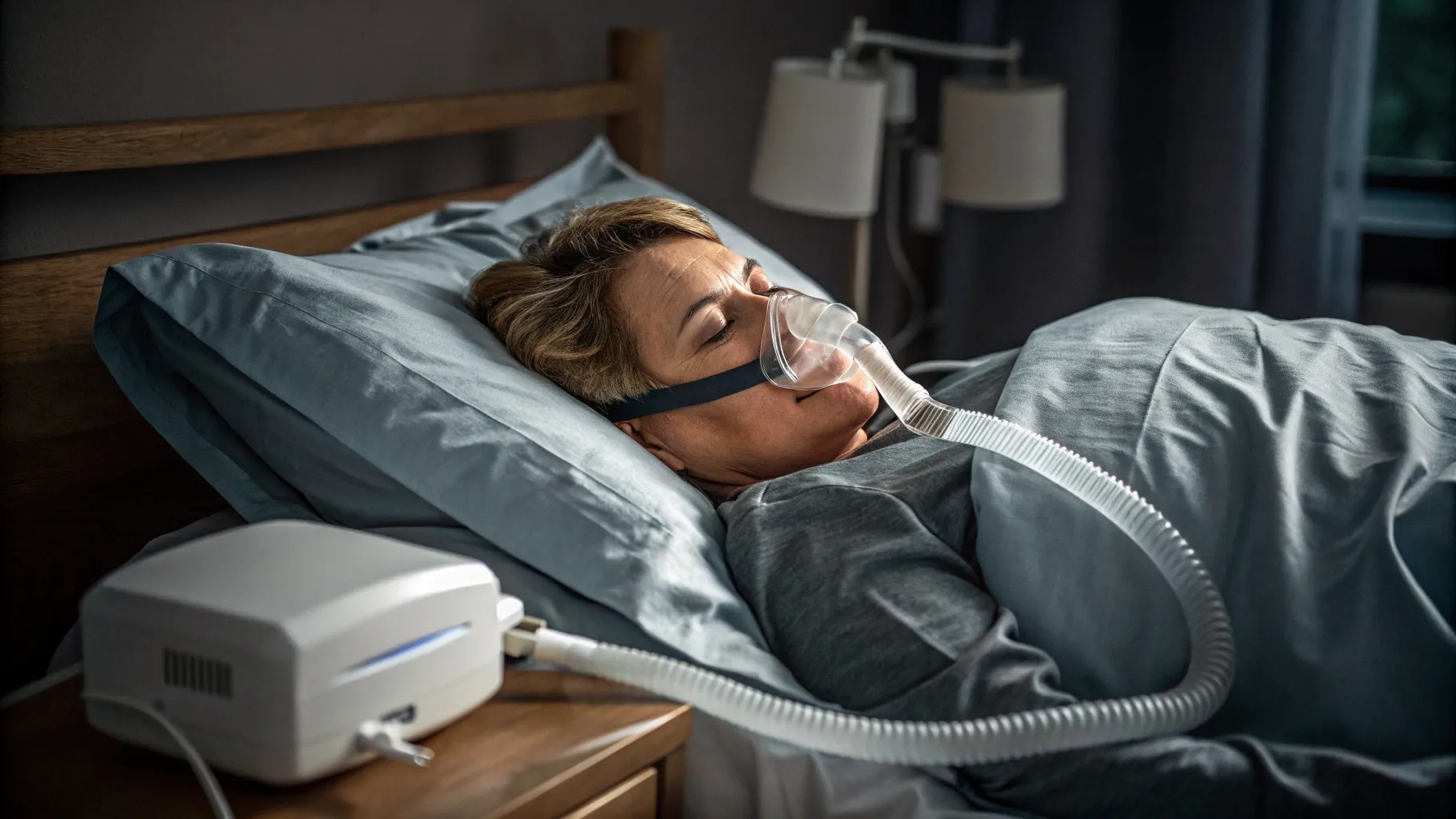
For many individuals, CPAP therapy stands as the gold standard in sleep apnea treatment. This non-invasive method involves wearing a mask over the nose or mouth (or both) while sleeping. The CPAP machine delivers a continuous stream of air pressure, which keeps the airway open and prevents it from collapsing. Modern CPAP devices are designed for comfort and efficiency, with features like humidifiers, heated tubing, and auto-adjusting pressure settings to enhance user experience and compliance. Adherence to CPAP is critical for its effectiveness, significantly reducing daytime sleepiness, improving cardiovascular health, and lowering the risk of other sleep apnea-related complications. Patients often report immediate improvements in sleep quality and energy levels once they consistently use their CPAP device.
Oral Appliance Therapy for Mild to Moderate Cases
An excellent alternative for individuals with mild to moderate obstructive sleep apnea, or those who cannot tolerate CPAP, is oral appliance therapy. These custom-made dental devices, similar to a mouthguard, work by repositioning the lower jaw and tongue forward. This action helps to keep the airway open during sleep. Created by a qualified dentist specializing in sleep medicine, these appliances are discrete, portable, and less intrusive than CPAP masks for some users. They are designed to fit comfortably and securely, allowing for normal mouth movements and speech, making them a viable and effective component of a comprehensive sleep apnea treatment plan. Regular follow-up appointments are essential to ensure the appliance remains effective and properly fitted.
Lifestyle Changes for Sleep Apnea Management
Beyond medical devices, significant improvements in sleep apnea treatment can be achieved through fundamental lifestyle changes for sleep apnea. These adjustments often form the bedrock of any treatment plan, either as standalone interventions for very mild cases or as complementary strategies to enhance the effectiveness of other therapies. Embracing these changes not only helps manage sleep apnea but also contributes to overall well-being and reduces the risk of other chronic diseases.
Weight Management and Exercise
Excess weight, particularly around the neck, is a major risk factor for sleep apnea as it can lead to increased tissue volume that obstructs the airway. Losing even a modest amount of weight can significantly reduce the severity of sleep apnea symptoms. Regular physical activity, even without substantial weight loss, can also improve muscle tone, including those in the airway, and enhance sleep quality. Incorporating a balanced diet and consistent exercise routine is a powerful, non-pharmacological approach to sleep apnea treatment.
Positional Therapy and Avoiding Alcohol
For many, sleep apnea worsens when sleeping on the back. Positional therapy involves strategies to encourage side sleeping, which can help keep the airway open. Devices like specialized pillows or simple remedies like sewing a tennis ball into the back of pajamas can be effective. Furthermore, alcohol and sedatives can relax throat muscles, exacerbating airway collapse. Avoiding these substances, especially in the hours leading up to bedtime, is a crucial part of managing sleep apnea treatment and improving breathing efficiency during sleep. Quitting smoking also dramatically reduces airway inflammation and irritation, which can contribute to sleep apnea.
Advanced Interventions: Surgical Options for Sleep Apnea
When conservative measures and non-invasive therapies are insufficient, surgical options for sleep apnea may be considered as part of a comprehensive sleep apnea treatment plan. These procedures aim to remove or reshape tissue to open the airway permanently or semi-permanently. Surgical candidacy is carefully evaluated by a multidisciplinary team, considering the patient's anatomy, the severity of their sleep apnea, and the potential risks and benefits.
Upper Airway Surgery and Implants
Various surgical procedures target different areas of the upper airway. Uvulopalatopharyngoplasty (UPPP) removes excess tissue from the back of the throat. Genioglossus advancement tightens the tongue muscle to prevent it from collapsing backward. Maxillomandibular advancement (MMA) involves repositioning the jawbones to enlarge the entire airway. Newer, less invasive options include hypoglossal nerve stimulation, where a small device is implanted to stimulate the nerve that controls tongue movement, keeping the airway open during sleep. These advanced surgical interventions represent a significant step in long-term sleep apnea treatment for carefully selected patients.
Actionable Advice for Enhancing Your Sleep Apnea Treatment Journey
Taking proactive steps in your sleep apnea treatment can significantly improve outcomes and help you achieve better sleep. Consistency and adherence to your chosen therapy are paramount, but there are also supplementary actions you can take to maximize effectiveness.
- Maintain Regular Follow-ups: Schedule consistent appointments with your sleep specialist. These visits are vital for monitoring your progress, making necessary adjustments to your CPAP settings or oral appliance, and addressing any emerging issues. Regular evaluation ensures your sleep apnea treatment remains optimized.
- Ensure Mask Fit and Comfort: If undergoing CPAP therapy, a properly fitting mask is essential. A poor fit can lead to air leaks, skin irritation, and discomfort, reducing compliance. Work with your provider to try different mask types and sizes until you find one that is comfortable and effective.
- Address Co-existing Conditions: Conditions like nasal congestion, allergies, or gastroesophageal reflux disease (GERD) can exacerbate sleep apnea symptoms. Managing these underlying health issues can significantly enhance the effectiveness of your primary sleep apnea treatment.
- Practice Good Sleep Hygiene: While not a direct treatment for sleep apnea, maintaining a consistent sleep schedule, creating a dark, quiet, and cool sleep environment, and avoiding screen time before bed can support overall sleep quality and complement your specific sleep apnea treatment.
- Seek Support and Education: Joining support groups or educating yourself further about sleep apnea can provide valuable insights, encouragement, and coping strategies. Understanding your condition better empowers you to take an active role in your own sleep apnea treatment and long-term health.
Frequently Asked Questions
Is CPAP the only effective sleep apnea treatment?
No, while CPAP therapy is often the most effective and commonly prescribed treatment for moderate to severe sleep apnea, it is not the only option. Oral appliance therapy, lifestyle modifications, and certain surgical options for sleep apnea are also available, depending on the individual's specific condition and preferences. A sleep specialist can help determine the best course of action.
Can lifestyle changes cure sleep apnea?
For some individuals with mild sleep apnea, especially those whose condition is linked to weight, significant lifestyle changes for sleep apnea like weight loss, regular exercise, and avoiding alcohol and sedatives can significantly reduce or even eliminate symptoms. However, for moderate to severe cases, lifestyle changes are usually part of a broader sleep apnea treatment plan alongside other therapies like CPAP or oral appliances.
How long does it take for sleep apnea treatment to show results?
Many individuals experience improvements in symptoms like daytime sleepiness and snoring almost immediately after starting an effective sleep apnea treatment, particularly with CPAP therapy. However, the full benefits, such as improvements in cardiovascular health and reduced long-term risks, develop over weeks to months of consistent use and adherence to the treatment plan.
References
- American Academy of Sleep Medicine.
- National Heart, Lung, and Blood Institute.
- Journal of Clinical Sleep Medicine.
- Sleep Research Society.
Authored by 24Trendz team