Discovering the Best Compression Socks for Optimal Health and Comfort
Fast Facts:
- Compression socks alleviate leg fatigue effectively.
- Demand for graduated compression socks is soaring for active individuals.
Understanding the Benefits of Top-Rated Compression Socks
In the quest for enhanced well-being and peak physical performance, compression socks have emerged as a pivotal tool. These specialized garments are designed to apply gentle pressure to your legs, promoting healthy blood flow from your lower extremities back towards your heart. This mechanism, primarily driven by graduated compression, is vital for mitigating symptoms such as swelling, fatigue, and discomfort, especially after prolonged standing, sitting, or strenuous activity. Understanding their core benefits is the first step towards integrating these remarkable items into your daily routine, whether for medical support, athletic enhancement, or general comfort.
The Science Behind Effective Compression
The effectiveness of compression socks hinges on the principle of graduated compression, where the pressure is strongest at the ankle and progressively decreases up the leg. This gradient helps to counteract the effects of gravity, assisting your veins in pushing deoxygenated blood back to the heart more efficiently. This improved venous return significantly enhances circulation support, reducing the pooling of blood in the lower legs. For individuals susceptible to conditions like deep vein thrombosis (DVT), this mechanism is particularly critical for DVT prevention. Furthermore, by improving blood flow, more oxygen and nutrients reach muscle tissues, which is beneficial for both everyday comfort and expediting athletic recovery after workouts.
Key Features to Look for in Top-Rated Compression Socks
Material and Fabric Innovation
The choice of material plays a crucial role in the comfort, durability, and effectiveness of compression socks. Modern designs often incorporate advanced fabrics that offer moisture-wicking properties, keeping legs dry and comfortable throughout the day. Breathability is also key, preventing overheating and skin irritation. Materials like nylon, spandex, and specialized microfibers provide the necessary elasticity for sustained graduated compression while ensuring long-lasting wear.
Compression Levels and Gradients
Compression socks are categorized by their pressure levels, measured in millimeters of mercury (mmHg). Lower compression levels (e.g., 8-15 mmHg, 15-20 mmHg) are ideal for daily wear, travel, and mild fatigue, offering general circulation support. Higher levels (e.g., 20-30 mmHg, 30-40 mmHg) are often medically prescribed for more severe conditions, such as chronic venous insufficiency, lymphedema, or specific scenarios like significant DVT prevention post-surgery or during long-haul flights. Athletes often opt for mid-range compression for optimal athletic recovery and performance enhancement.
Design and Fit for Different Lifestyles
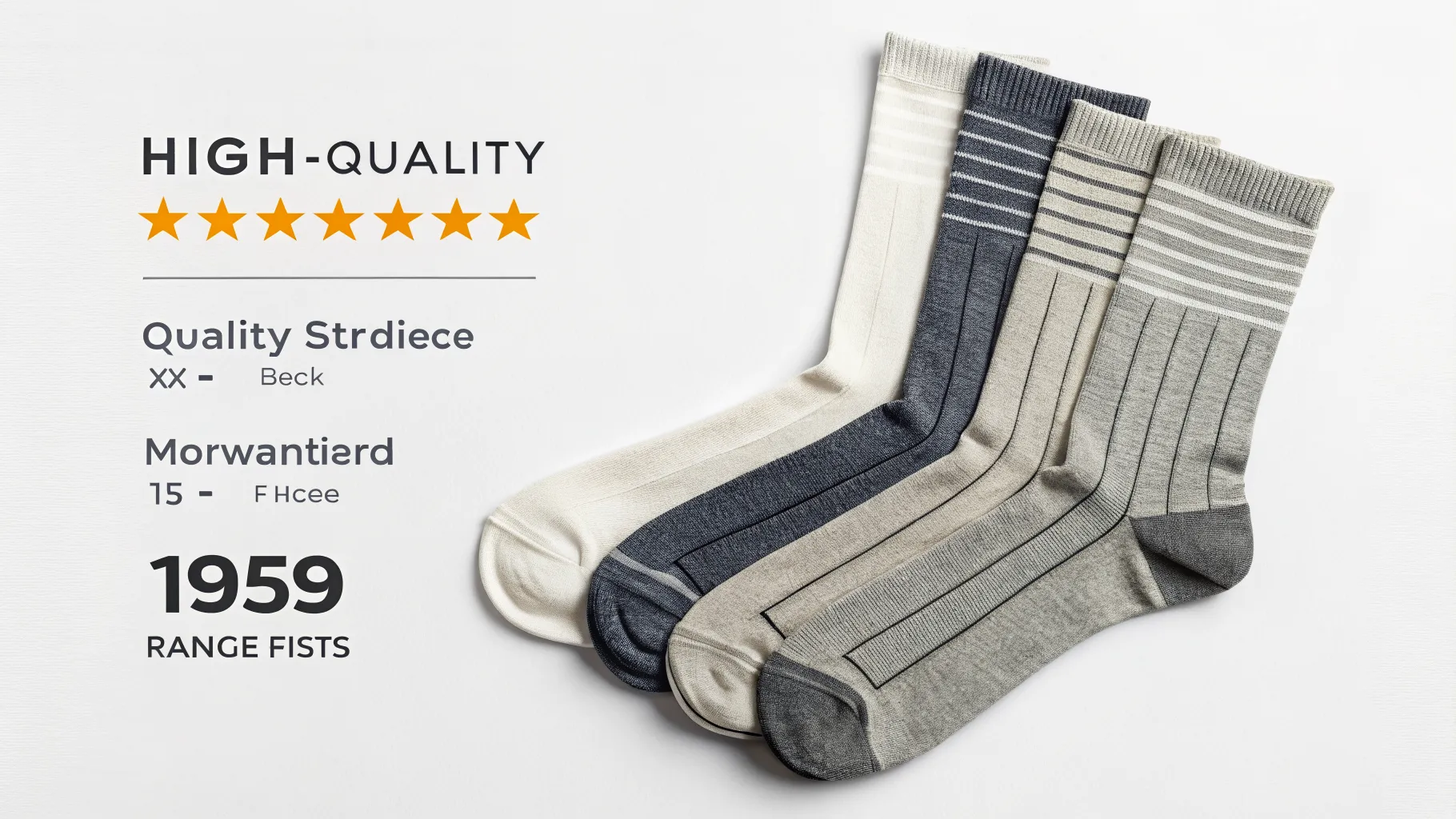
Beyond medical applications, the aesthetics and fit of compression socks have evolved dramatically. Options range from discreet knee-high styles to more fashionable patterns and colors, ensuring there's a pair for every preference. Proper fit is paramount; ill-fitting socks can either be ineffective or cause discomfort. Manufacturers offer various sizes based on ankle and calf circumference, ensuring the graduated compression is applied correctly for maximum benefit, whether for prolonged standing, sitting, or intensive physical activity.
Who Can Benefit Most from Compression Socks?
The widespread appeal of compression socks stems from their diverse applications across various demographics. Athletes, from runners to basketball players, utilize them for improved performance and accelerated athletic recovery, reducing muscle soreness and fatigue. Travelers frequently rely on them to prevent swelling and minimize the risk of DVT prevention during long flights or car rides. Individuals in professions requiring long periods of standing or sitting, such as nurses, teachers, and office workers, find significant relief from leg discomfort and benefit from enhanced circulation support. Furthermore, pregnant women often use them to alleviate pregnancy-induced swelling, and those with certain medical conditions, under professional guidance, find them indispensable for managing symptoms.
Comparing Popular Brands and Models
The market for compression socks is rich with brands offering a variety of features tailored to specific needs. Some brands excel in producing medical-grade graduated compression socks known for their precise mmHg ratings and durability, often recommended for clinical applications or serious DVT prevention. Others focus on performance wear, incorporating advanced moisture-wicking fabrics and anatomical designs ideal for athletic recovery and enhanced comfort during exercise. Consumer reviews often highlight brands that strike a balance between effective circulation support, comfort, and aesthetic appeal. When comparing models, consider factors like material blend, durability, ease of donning, and the specific compression level required for your intended use to ensure the best fit for your lifestyle.
Maximizing the Lifespan and Efficacy of Your Compression Socks
Proper Washing Techniques
To maintain the elasticity and integrity of your compression socks, proper care is essential. Hand-washing in cold water with a mild detergent is often recommended, followed by air-drying. Avoid harsh chemicals, bleach, and high heat from dryers, as these can degrade the elastic fibers and compromise the crucial graduated compression properties that provide effective circulation support.
Correct Application and Removal
Donning and doffing compression socks can be tricky, especially with higher compression levels. Rolling the sock down to the ankle, inserting your foot, and gradually unrolling it up your leg can prevent damage to the fabric and ensure even distribution of pressure. Specialized donning aids are also available to assist in this process, helping to preserve the sock's structure and prolong its effective life.
When to Replace Your Socks
Even the highest quality compression socks have a limited lifespan. Over time, the elastic fibers will wear out, and the socks will lose their ability to provide consistent graduated compression. Signs of wear include a noticeably looser fit, diminished pressure, holes, or fraying. Typically, socks should be replaced every 3 to 6 months with regular use to ensure continued optimal circulation support and benefits like DVT prevention or athletic recovery.
Frequently Asked Questions
Are compression socks suitable for daily wear?
Yes, many people wear compression socks daily, especially those with jobs requiring long periods of standing or sitting, or individuals seeking general circulation support and fatigue relief. For daily wear, lower compression levels (8-15 mmHg or 15-20 mmHg) are generally recommended.
How do I choose the right size for my graduated compression socks?
Choosing the correct size is crucial for effectiveness. It involves precise measurements of your ankle, calf, and sometimes thigh circumference, as well as leg length. Always refer to the manufacturer's sizing chart and, if in doubt, consult with a healthcare professional or a fitting specialist to ensure the graduated compression is appropriate.
Can compression socks help with DVT prevention during long flights?
Absolutely. Compression socks are highly recommended for long flights or periods of immobility as they help maintain healthy blood flow, significantly reducing the risk of blood clot formation, which is a key aspect of DVT prevention during travel.
References
- The American Heart Association's Guidelines on Venous Health
- Clinical Studies on Graduated Compression Therapy Benefits
- Sports Medicine Journals on Athletic Recovery Techniques
- Manuals on Deep Vein Thrombosis Prevention Strategies
- Textbooks on Circulatory System Physiology
Authored by 24Trendz team