Discovering Lucrative Truck Driving Jobs in the United States
Fast Facts:
- Over 3.5 million professional truck drivers in the US.
- Demand for skilled drivers continues to rise for the commercial trucking industry.
Understanding the Landscape of Truck Driving Jobs in the United States
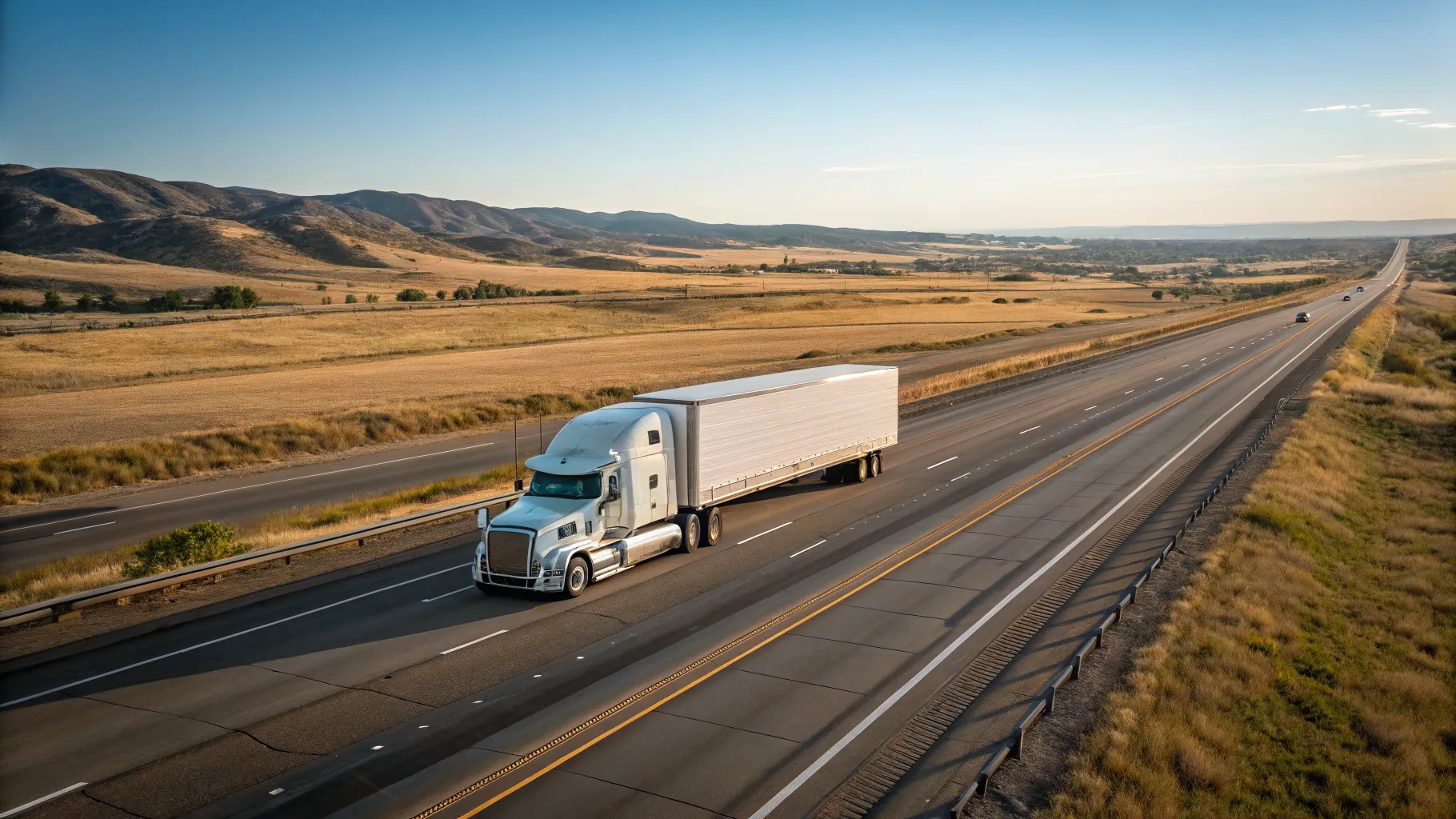
The vast network of highways crisscrossing the nation provides the backbone for the American economy, largely supported by robust truck driving jobs in the United States. This essential sector offers numerous opportunities for individuals seeking stable and rewarding truck driving careers. From transporting goods across state lines to local deliveries, the demand for qualified drivers remains consistently high, making it a critical component of the commercial trucking industry.
Navigating CDL Requirements and Training Paths
Embarking on a journey into truck driving careers necessitates understanding the specific CDL requirements. A Commercial Driver's License (CDL) is mandatory for operating large commercial vehicles. There are different classes of CDLs (Class A, B, and C), each permitting the operation of different types of trucks. Obtaining a Class A CDL, for instance, allows a driver to operate any combination of vehicles with a gross combination weight rating (GCWR) of 26,001 pounds or more, provided the towed vehicle is heavier than 10,000 pounds. This is crucial for aspiring drivers interested in long-haul trucking. The process typically involves passing a written knowledge test and a comprehensive road skills test, including a pre-trip inspection, basic vehicle control, and on-road driving. Many aspiring drivers choose to attend specialized truck driving schools that offer structured training programs, preparing them thoroughly for these exams and providing hands-on experience with various types of commercial vehicles. These schools often assist with job placement, connecting graduates directly with companies in the commercial trucking industry.
The Lure of Long-Haul Trucking vs. Local Routes
Prospective drivers often weigh the pros and cons of long-haul trucking versus more localized routes. Long-haul trucking involves transporting goods over great distances, often requiring drivers to be away from home for days or even weeks at a time. This segment of truck driving jobs in the United States typically offers higher earning potential due to the demanding schedules and extensive mileage. Drivers in this sector play a critical role in the national supply chain, moving everything from consumer goods to industrial materials. Conversely, local and regional routes allow drivers to return home daily or every few days, offering a better work-life balance for many. While the pay might be slightly lower than for long-haul, the predictability of being home more often is a significant draw. These routes are vital for distribution within metropolitan areas and between nearby cities, ensuring local businesses and consumers receive their goods promptly. Both options contribute significantly to the overall efficiency of the commercial trucking industry.
Addressing the Truck Driver Shortage: Opportunities and Challenges
The truck driver shortage continues to be a persistent challenge for the commercial trucking industry, creating abundant opportunities for new drivers. Factors contributing to this shortage include an aging workforce, increasing freight volumes, and the demanding nature of the job. This scarcity of qualified drivers means that companies are often willing to offer competitive salaries, sign-on bonuses, and comprehensive benefits packages to attract and retain talent in truck driving jobs in the United States. However, the profession also comes with its challenges, such as navigating strict Hours of Service (HOS) regulations, dealing with traffic congestion, and the physical demands of long periods of sitting. Adapting to fluctuating fuel prices, managing vehicle maintenance, and embracing new technologies like electronic logging devices (ELDs) are also part of the modern truck driver's reality. Despite these hurdles, the industry is constantly evolving, with ongoing efforts to improve working conditions and address concerns to make truck driving careers more appealing to a broader demographic.
Essential Advice for a Successful Truck Driving Career
For individuals looking to thrive in truck driving jobs in the United States, several key pieces of advice can pave the way for a successful career. Firstly, continuous education and training are vital. Staying updated on new regulations, safety protocols, and vehicle technologies can significantly enhance a driver's marketability and safety record within the commercial trucking industry. Secondly, cultivating a strong professional network is beneficial; connecting with other drivers, dispatchers, and industry professionals can open doors to new opportunities and provide valuable mentorship. Thirdly, prioritizing health and wellness is crucial, given the sedentary nature of the job and the challenges of maintaining a balanced diet on the road. Regular exercise and healthy eating habits can mitigate health risks and improve overall job satisfaction. Finally, demonstrating reliability and a strong work ethic is paramount. Consistently delivering loads on time, maintaining a clean driving record, and having a positive attitude will make a driver an invaluable asset to any company, especially given the ongoing truck driver shortage.
Frequently Asked Questions
What are the average earnings for truck driving jobs in the United States?
Earnings for truck drivers vary widely based on experience, location, type of freight, and whether they are company drivers or owner-operators. Entry-level drivers might start lower, but experienced drivers in specialties like hazardous materials or oversized loads, or those in long-haul trucking, can earn significantly more, often exceeding $70,000 annually. Many companies also offer benefits packages, including health insurance, retirement plans, and paid time off, enhancing the overall compensation for truck driving careers.
How long does it take to get a CDL?
The time required to obtain a CDL typically ranges from 3 to 7 weeks for full-time training programs. This includes classroom instruction and practical behind-the-wheel training. Some programs can be longer, especially if they offer more comprehensive training or are part-time. The duration also depends on the individual's ability to learn and pass the required written and practical exams. Understanding and meeting all state-specific CDL requirements is the first step.
Is there a high demand for truck drivers in the US?
Yes, there is a consistently high demand for truck drivers across the United States. The truck driver shortage is a well-documented issue within the commercial trucking industry, driven by factors such as an aging workforce, increased e-commerce, and overall economic growth. This ongoing demand ensures a robust job market for individuals pursuing truck driving careers, with ample opportunities for both new and experienced drivers.
References
- American Trucking Associations (ATA) Industry Reports
- Department of Transportation (DOT) Commercial Driver's License Manuals
- Bureau of Labor Statistics (BLS) Occupational Outlook Handbook
- Various state Department of Motor Vehicles (DMV) publications on CDL regulations
Authored by 24Trendz team