Breakthrough Solutions for Plantar Fasciitis: A Non-Invasive Treatment Guide
Fast Facts on Plantar Fasciitis:
- Plantar fasciitis affects millions worldwide.
- Growing demand for non-invasive plantar fasciitis treatment for active individuals.
Unveiling the Future of Plantar Fasciitis Management: Beyond Surgery
For too long, individuals suffering from debilitating heel pain have faced limited options, often fearing the prospect of surgery. However, a significant plantar fasciitis breakthrough is emerging, offering profound chronic heel pain relief through advanced non-invasive plantar fasciitis treatment. This article explores the cutting-edge solutions transforming how we approach this common condition, empowering patients with effective, less intrusive pathways to restorative foot health.
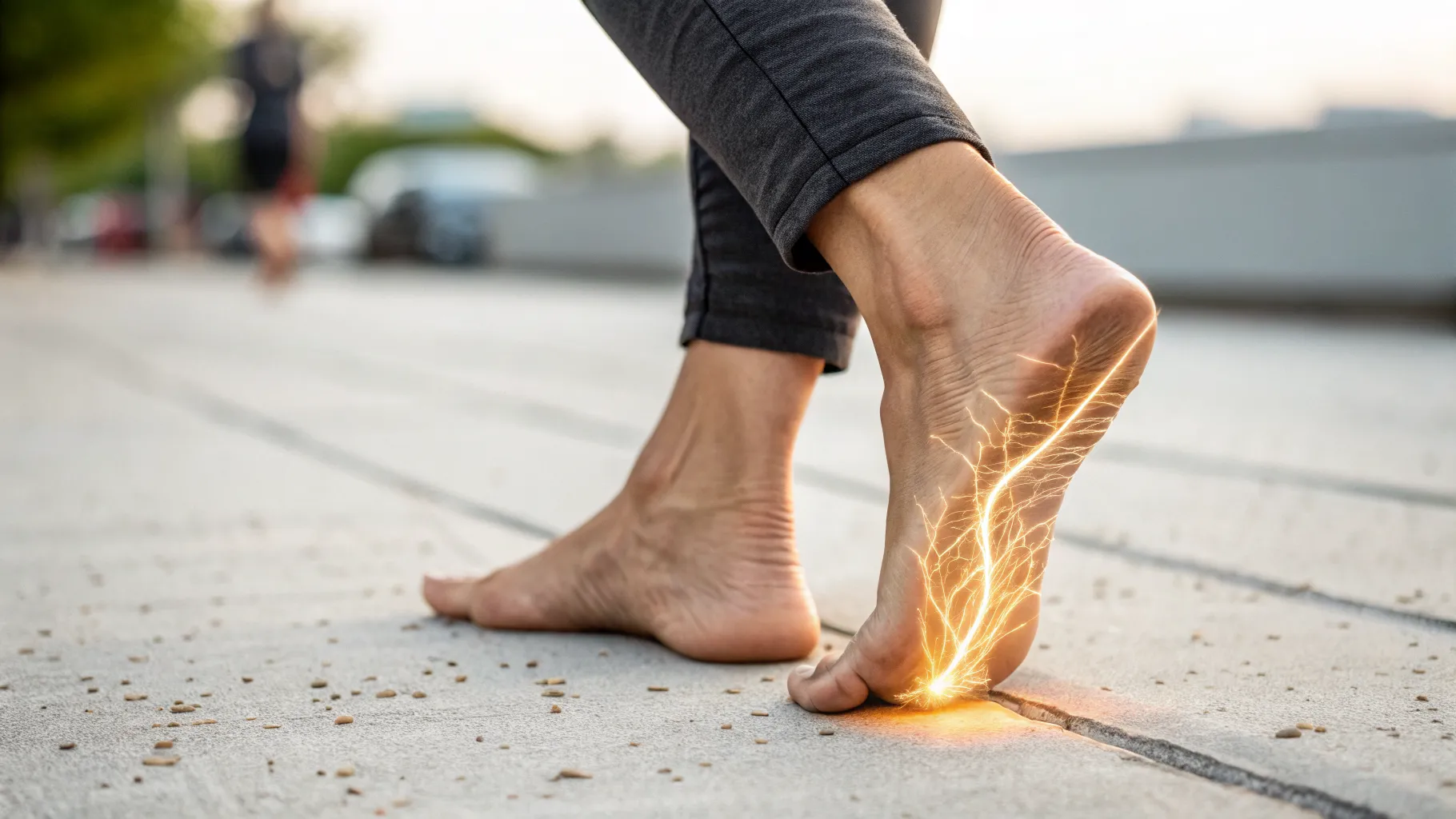
Understanding the Core of Plantar Fasciitis and Its Impact
Plantar fasciitis is a common orthopedic condition characterized by sharp, stabbing pain in the heel, often worse with the first steps in the morning or after periods of rest. It arises from inflammation of the plantar fascia, a thick band of tissue running across the bottom of the foot, connecting the heel bone to the toes. Traditional treatments often involved rest, ice, stretching, and sometimes steroid injections, with surgery being a last resort. However, these conventional approaches frequently fell short, leading to prolonged discomfort and frustration for sufferers. The limitations of invasive procedures, including long recovery times, potential complications, and persistent residual pain, have fueled an urgent demand for more effective and less disruptive solutions, paving the way for the advancements in non-invasive plantar fasciitis treatment that are now offering genuine hope for chronic heel pain relief.
Emerging Technologies in Non-Invasive Plantar Fasciitis Treatment
The landscape of plantar fasciitis management is evolving rapidly, with several groundbreaking technologies offering new avenues for healing without the need for surgery. These innovative foot therapy methods are designed to stimulate natural healing processes, reduce inflammation, and alleviate pain with minimal patient downtime.
Extracorporeal Shockwave Therapy (ESWT) for Heel Pain
Extracorporeal Shockwave Therapy (ESWT) stands out as a leading non-invasive plantar fasciitis treatment. This procedure involves delivering targeted high-energy acoustic waves to the affected area. These shockwaves stimulate blood circulation, promote cellular regeneration, and break down calcifications that can occur within the fascia. The process triggers the body's natural healing mechanisms, encouraging the repair of damaged tissue and significantly reducing inflammation and pain. ESWT has been clinically proven to be highly effective, offering sustained chronic heel pain relief for many individuals who have not responded to more conservative treatments.
Platelet-Rich Plasma (PRP) Injections: A Regenerative Approach
Platelet-Rich Plasma (PRP) therapy represents another cutting-edge innovative foot therapy. This treatment involves drawing a small sample of the patient's own blood, processing it to concentrate the platelets, and then injecting this platelet-rich solution directly into the injured plantar fascia. Platelets contain a high concentration of growth factors, which are crucial for tissue repair and regeneration. By delivering these powerful healing agents precisely where they are needed, PRP injections can accelerate the healing process, reduce inflammation, and provide long-lasting chronic heel pain relief, making it a pivotal component of the new plantar fasciitis breakthrough strategies.
Advanced Laser Therapy and Cryotherapy
Advanced laser therapy, often referred to as Low-Level Laser Therapy (LLLT), uses specific wavelengths of light to penetrate tissues, promoting cellular repair, reducing inflammation, and increasing blood flow to the injured area. This non-thermal process is painless and can significantly contribute to faster recovery and chronic heel pain relief. Similarly, cryotherapy involves the controlled application of extremely cold temperatures to the plantar fascia, which effectively numbs nerve endings, reduces metabolic activity, and constricts blood vessels, leading to a significant decrease in pain and swelling. Both therapies offer complementary benefits as part of a comprehensive non-invasive plantar fasciitis treatment plan, aiding in the journey towards restorative foot health.
Comprehensive Rehabilitation and Lifestyle Adjustments
While advanced therapies offer significant promise, a holistic approach that includes dedicated rehabilitation and thoughtful lifestyle adjustments is paramount for achieving and maintaining restorative foot health. These components are integral to a successful non-invasive plantar fasciitis treatment plan, ensuring long-term recovery and preventing recurrence.
Targeted Physical Therapy and Stretching Regimens
Specific physical therapy exercises and stretching regimens are cornerstones of effective non-invasive plantar fasciitis treatment. These programs focus on improving flexibility in the calf muscles and Achilles tendon, strengthening the intrinsic foot muscles, and enhancing overall ankle stability. Stretches targeting the plantar fascia itself are crucial for elongating the tissue and reducing tension. A well-structured physical therapy plan, often including eccentric loading exercises, can significantly improve function, reduce pain, and teach patients how to manage their condition independently, leading to sustained chronic heel pain relief.
Orthotic Support and Footwear Optimization
The right footwear and appropriate orthotic support play a critical role in offloading stress from the plantar fascia and promoting healing. Custom-made or over-the-counter orthotics can provide crucial arch support and cushioning, correcting biomechanical imbalances that contribute to plantar fasciitis. Patients are advised to wear shoes with good shock absorption, proper arch support, and a slightly elevated heel to reduce strain on the fascia. Avoiding flat shoes or walking barefoot on hard surfaces, especially during the initial recovery phase, is essential. This careful attention to foot mechanics is a vital, ongoing aspect of any successful non-invasive plantar fasciitis treatment strategy, contributing significantly to restorative foot health.
The Benefits of a Non-Surgical Pathway to Recovery
The shift towards non-invasive plantar fasciitis treatment marks a pivotal advancement in managing this often-debilitating condition. Compared to surgical interventions, non-surgical pathways offer a multitude of benefits that prioritize patient comfort, safety, and efficiency. Firstly, the risks associated with surgery, such as infection, nerve damage, and prolonged recovery periods, are entirely eliminated with non-invasive methods. Patients can often resume normal daily activities much faster, experiencing minimal downtime, which is a significant advantage for those with active lifestyles or professional commitments. Furthermore, the efficacy of these advanced non-invasive therapies in achieving profound chronic heel pain relief is increasingly supported by clinical evidence, often yielding results comparable to or even superior to surgery without the inherent complications. This approach allows for a more gradual, controlled healing process that respects the body's natural regenerative capabilities, fostering true restorative foot health rather than merely addressing symptoms.
Actionable Advice for Embracing Restorative Foot Health
- Consult a Specialist: Seek expert guidance to determine the most suitable non-invasive plantar fasciitis treatment plan tailored to your condition. Early intervention is key.
- Consistency is Crucial: Adhere to prescribed therapies and exercises diligently for optimal chronic heel pain relief and long-term results.
- Supportive Footwear: Always wear shoes that provide adequate arch support and cushioning to prevent recurrence and maintain restorative foot health.
- Listen to Your Body: Avoid activities that exacerbate pain and allow for proper rest and recovery to facilitate healing.
- Explore Innovative Options: Stay informed about new advancements in innovative foot therapy to ensure you're considering all potential solutions.
Frequently Asked Questions
Is non-invasive plantar fasciitis treatment truly effective for chronic cases?
Yes, numerous studies and clinical outcomes demonstrate that a significant majority of chronic plantar fasciitis cases respond very well to a range of non-invasive plantar fasciitis treatment options, including ESWT, PRP, and targeted physical therapy. Success rates are often comparable to, and in some aspects superior to, surgical interventions, especially when considering recovery time and complication risks.
How long does it take to see chronic heel pain relief with these new therapies?
The timeline for experiencing chronic heel pain relief can vary depending on the specific therapy chosen, the severity of the condition, and individual patient factors. Many patients report noticeable improvement within a few weeks to a few months of initiating an innovative foot therapy plan. Consistency with treatment and adherence to lifestyle adjustments significantly influence the speed and extent of recovery.
Are these advanced plantar fasciitis breakthrough solutions covered by insurance?
Coverage for advanced plantar fasciitis breakthrough solutions like ESWT or PRP injections can vary widely based on your insurance provider and policy. It is highly recommended to check with your insurance company directly before starting any new non-invasive plantar fasciitis treatment to understand your coverage options and any potential out-of-pocket costs. Many providers are increasingly recognizing the value of these effective non-surgical alternatives.
References
- American Academy of Orthopaedic Surgeons (AAOS)
- Journal of Foot and Ankle Surgery
- Mayo Clinic Proceedings
- National Institute of Arthritis and Musculoskeletal and Skin Diseases (NIAMS)
Authored by 24Trendz team