Discover The Best Way to Clean Retainers for Optimal Oral Health and Longevity
Facts:
- Over 4 million Americans wear retainers annually.
- Proper retainer care extends appliance lifespan by up to 5 years.
Mastering Optimal Retainer Cleaning Techniques for Lifelong Smiles
Maintaining excellent oral hygiene extends far beyond brushing and flossing your teeth; it critically involves diligent retainer cleaning, especially for those wearing orthodontic retainers. Neglecting your retainer can lead to plaque buildup, bad odors, and even oral health issues. Understanding the most effective methods for how to clean retainers is paramount to protecting your investment in orthodontics and ensuring your smile remains pristine. This comprehensive guide will delve into the best practices, daily habits, and deep cleaning strategies that comprise the most effective approach to retainer care, helping you preserve both your appliance and your oral health.
Understanding Different Types of Retainers and Their Care
Before diving into specific cleaning methods, it's crucial to recognize that different types of orthodontic retainers may require slightly varied approaches to retainer cleaning. Knowing your specific retainer type will help you select the most appropriate and safe cleaning regimen.
Hawley Retainers: Classic Durability
Hawley retainers, characterized by their acrylic base and metal wire, are highly durable but can accumulate plaque and food particles around the wire components. The acrylic portion is relatively non-porous, making it resistant to staining, but the metal wire can tarnish if not properly cared for. For these removable retainers, gentle but thorough brushing and soaking are key to maintaining their integrity and cleanliness. Aggressive scrubbing can bend the wire, so a soft touch is essential when performing retainer cleaning on Hawley types.
Clear Plastic Retainers: Discreet Maintenance
Clear plastic retainers, often known as Essix retainers, are popular for their discreet appearance. However, their material is more prone to staining and discoloration if not cleaned regularly. These retainers are typically made from thermoplastic material that can warp with excessive heat, making hot water a definite no-go for cleaning. Daily rinsing and specific cleaning solutions designed for clear aligners are often the best way to clean retainers of this type, ensuring they remain transparent and hygienic.
Permanent Retainers: Specialized Cleaning Needs
Fixed or permanent retainers are bonded to the back of your teeth, usually the lower front teeth, making them non-removable. While convenient, their fixed nature presents unique challenges for retainer cleaning. Plaque and tartar can easily build up around the wire and the bonding adhesive, similar to how it accumulates around braces. Special attention to flossing and using interdental brushes is crucial, along with regular dental check-ups, as this type of orthodontic retainers requires professional assistance for optimal cleanliness.
The Best Way to Clean Retainers: Step-by-Step Guide
Regardless of your retainer type, a consistent and proper retainer cleaning routine is fundamental. Here we outline the most effective methods for how to clean retainers, ensuring they remain hygienic and extend their lifespan.
Daily Brushing and Rinsing for Removable Retainers
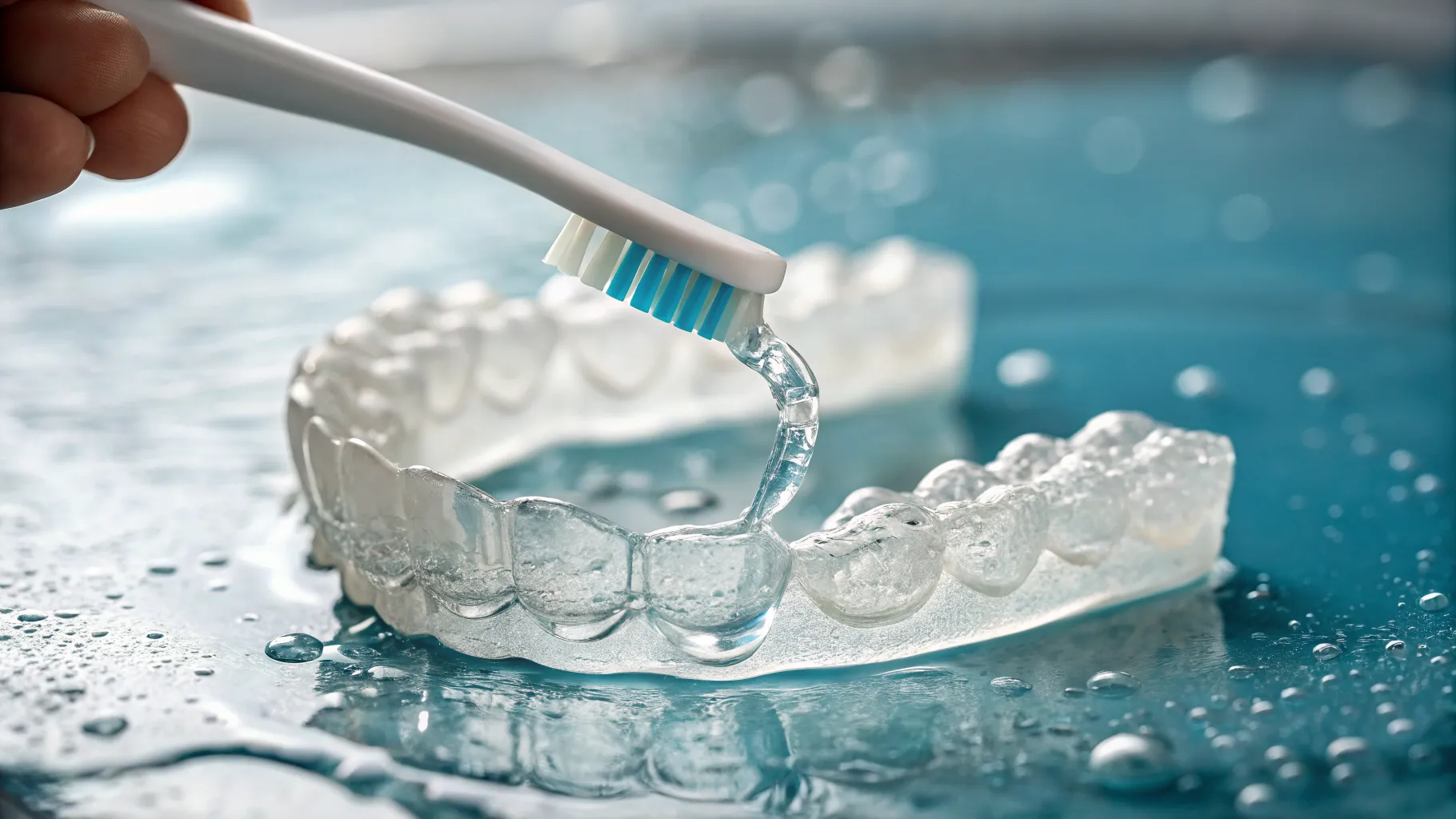
For all removable retainers (Hawley and clear plastic), daily brushing is non-negotiable. Immediately after removal, rinse your retainer under cool or lukewarm (never hot) running water. Use a soft-bristled toothbrush and a non-abrasive soap or mild dish detergent (avoid toothpaste, as its abrasive particles can scratch the retainer, creating tiny crevices where bacteria can thrive). Gently brush all surfaces of the retainer, paying close attention to any grooves or edges. This physical scrubbing is a highly effective part of how to clean retainers by removing food particles, plaque, and bacteria before they harden. Rinse thoroughly after brushing to remove all soap residue.
Using Retainer Cleaning Tablets or Solutions
For a deeper clean, incorporating specialized retainer cleaning tablets or solutions a few times a week is highly recommended. These products, often effervescent tablets, contain ingredients that dissolve plaque and kill bacteria without damaging the retainer material. Simply submerge your orthodontic retainers in a glass of water with a cleaning tablet, following the manufacturer's instructions for soaking time (typically 15-30 minutes). After soaking, brush the retainer lightly and rinse thoroughly with cool water. This method is an excellent complement to daily brushing and significantly improves retainer care hygiene.
Deep Cleaning with Vinegar or Baking Soda Solutions
Natural remedies can also be an effective and economical option for periodic deep retainer cleaning. A mixture of equal parts white vinegar and water can be used as a soaking solution for 20-30 minutes. Vinegar's acidic properties help break down mineral deposits and kill bacteria. Alternatively, a paste made from baking soda and water can be gently brushed onto the retainer surfaces, providing a mild abrasive action to remove stubborn stains and neutralize odors. Always rinse your removable retainers extensively after using these solutions to remove any lingering taste or residue, ensuring they are fresh and clean.
Common Pitfalls in Retainer Care and How to Avoid Them
Even with the knowledge of the best way to clean retainers, many individuals inadvertently make mistakes that compromise their appliance's effectiveness and hygiene. A common mistake is using harsh chemicals like bleach or alcohol, which can damage the retainer material, causing discoloration, weakening, or warping. Similarly, using hot water can irreversibly deform plastic retainers. Another frequent error is neglecting to clean the retainer case; bacteria thrive in dark, moist environments, so the case itself needs regular washing with soap and water. Poor retainer care often stems from inconsistency. Skipping daily cleaning allows plaque and bacteria to accumulate, leading to bad breath and a cloudy appliance. By understanding these pitfalls and committing to a consistent, gentle cleaning routine, you can significantly prolong the life and effectiveness of your orthodontic retainers.
Essential Retainer Care Tips for Longevity
- Always store your retainers properly: When not in your mouth, always keep your removable retainers in their protective case. This prevents damage, loss, and keeps them away from pets. A clean case is an integral part of retainer care.
- Never expose retainers to high heat: Extreme temperatures, whether from hot water, direct sunlight, or leaving them in a hot car, can cause plastic retainers to warp, rendering them ineffective. Always use cool or lukewarm water for retainer cleaning.
- Avoid eating or drinking with retainers (unless specified): Food and sugary drinks can get trapped under clear retainers, promoting bacterial growth and staining. Remove your orthodontic retainers before meals, and only drink plain water while wearing them.
- Regular dental check-ups are crucial: Your dentist or orthodontist can assess your retainer cleaning habits, provide professional deep cleaning for fixed retainers, and address any issues like wear or fit. These visits are vital for comprehensive retainer care.
- Replace retainers when necessary: Even with the best way to clean retainers, they have a lifespan. Signs of wear, such as cracks, loose fit, or persistent odor, indicate it's time for a replacement. Consult your orthodontist if you notice any changes.
Frequently Asked Questions
How often should I perform deep retainer cleaning?
You should perform a deep retainer cleaning with tablets or a natural solution 2-3 times per week, in addition to daily brushing and rinsing. This helps manage plaque and bacterial buildup that daily brushing might not completely eliminate, ensuring thorough retainer care.
Can I use toothpaste to clean my orthodontic retainers?
No, it is generally not recommended to use regular toothpaste to clean your orthodontic retainers. Most toothpastes are abrasive and can scratch the surface of your retainer, creating microscopic grooves where bacteria can accumulate and thrive. Use a non-abrasive soap or a specialized retainer cleaning product instead for the best way to clean retainers.
What is the best way to store my removable retainers?
The best way to store your removable retainers is in a clean, dry, ventilated retainer case when you are not wearing them. This protects them from damage and reduces bacterial growth. Make sure the case itself is cleaned regularly with soap and water, and allow both the retainer and case to air dry completely before sealing to maintain optimal retainer care.
References
- American Association of Orthodontists guidelines on retainer maintenance.
- Journal of Clinical Orthodontics study on retainer hygiene.
- Oral Health Foundation recommendations for dental appliance care.
- Dental clinics best practices for orthodontic retainer upkeep.
- Research on bacterial accumulation on various dental appliances.
Authored by 24Trendz team