Achieving Youthful Radiance: Exploring Cosmetic Surgery for Nasolabial Folds
Facts:
- Minimally invasive options lead nasolabial folds treatment.
- Demand for aesthetic smile line correction rising for individuals seeking natural results.
Understanding Nasolabial Folds and Their Impact on Facial Aesthetics
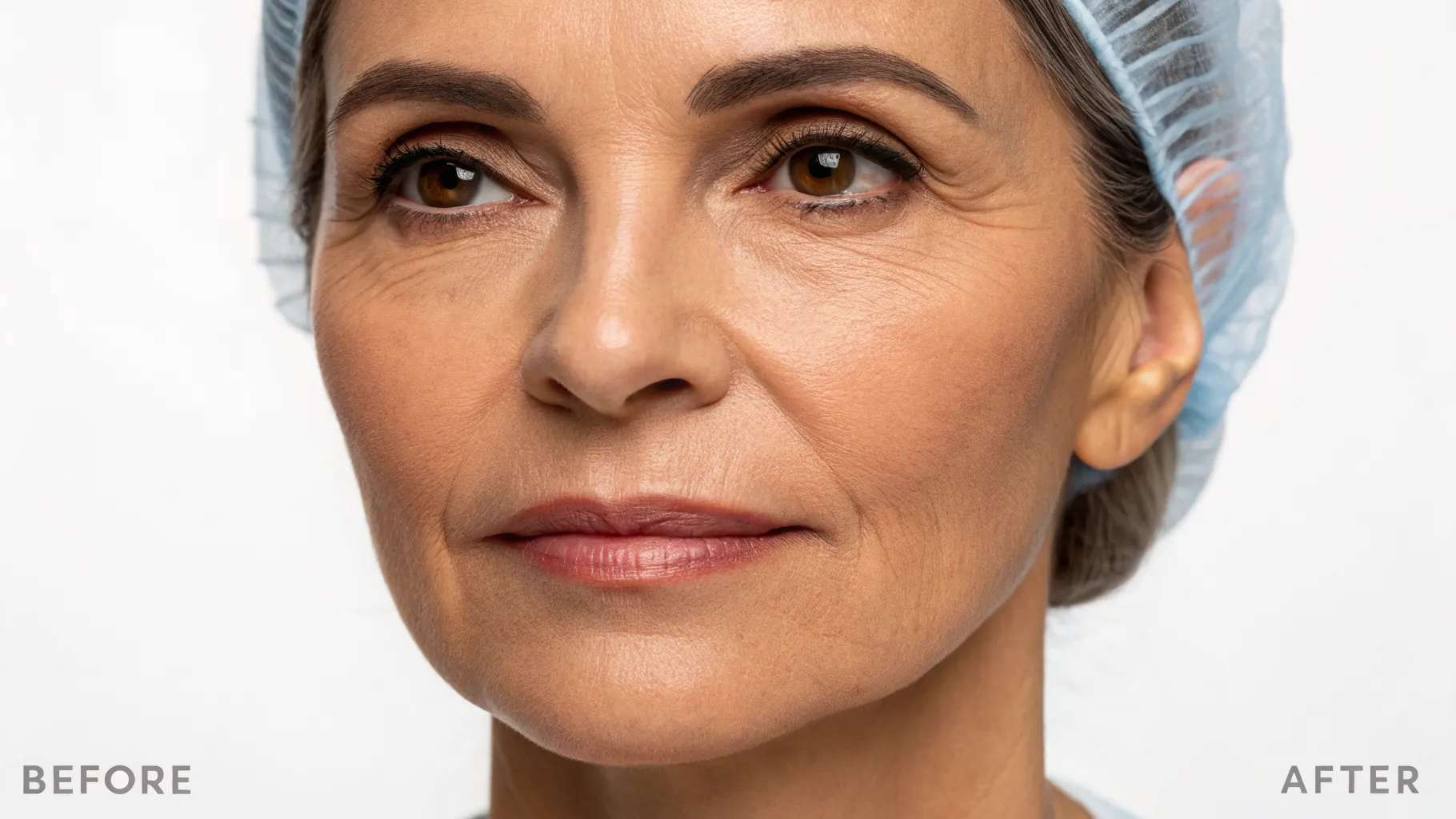
Cosmetic surgery for nasolabial folds, commonly known as smile lines or laugh lines, has become a cornerstone of modern facial aesthetics. These prominent lines extend from the sides of the nose down to the corners of the mouth, deepening with age and contributing to a tired or aged appearance. While a natural part of the aging process, many individuals seek effective solutions to diminish their visibility and restore a more youthful contour to their face. Understanding the various approaches to nasolabial folds treatment is the first step toward achieving desired aesthetic goals.
Non-Surgical Approaches to Nasolabial Folds Treatment
For many, the idea of invasive surgery can be daunting, making non-surgical options for nasolabial folds treatment incredibly appealing. These procedures offer significant improvements with minimal downtime and are often performed in an outpatient setting. The advancements in aesthetic medicine have made it possible to effectively reduce the appearance of deep smile lines without the need for incisions or extensive recovery.
Dermal Fillers for Nasolabial Folds
Dermal fillers for nasolabial folds are arguably the most popular and immediate solution for diminishing these lines. Injectable fillers, typically composed of hyaluronic acid (HA), are precisely placed beneath the skin to add volume, lift the skin, and smooth out the creases. The hyaluronic acid not only fills the lines but also attracts and holds water, providing natural-looking hydration and plumpness. Different viscosities of fillers are available, allowing practitioners to tailor the treatment to the specific depth of the folds and the desired outcome. The effects are generally temporary, lasting from 6 to 18 months, depending on the type of filler used and individual metabolic factors. Patients often appreciate the immediate results and the relatively quick procedure time, making it a convenient option for busy lifestyles.
Collagen Stimulators and Biostimulatory Fillers
Beyond traditional HA fillers, other injectable options like collagen stimulators (e.g., Sculptra) or biostimulatory fillers (e.g., Radiesse) can provide longer-lasting results by encouraging the body's natural collagen production. These substances work differently by gradually rebuilding the underlying collagen framework, leading to sustained improvement in skin elasticity and firmness. While results are not immediate, they develop over several weeks or months and can last for two years or more. This approach is particularly beneficial for individuals seeking a more natural and progressive enhancement in their smile line correction.
Thread Lifts for Mid-Face Rejuvenation
Another innovative non-surgical method for nasolabial folds treatment involves thread lifts. This procedure utilizes dissolvable sutures, often made of polydioxanone (PDO), which are inserted under the skin to lift and reposition sagging tissue. The threads create a subtle lift, thereby reducing the depth of the nasolabial folds. Moreover, the presence of the threads stimulates collagen production, leading to improved skin texture and firmness over time. Thread lifts offer a semi-permanent solution with results lasting up to 1-2 years, providing a less invasive alternative to traditional surgical facelifts for moderate skin laxity. This method is a key component in achieving overall facial rejuvenation procedures without extensive downtime.
Surgical Options for Comprehensive Smile Line Correction
While non-surgical treatments are effective for mild to moderate nasolabial folds, more pronounced or severe cases, often accompanied by significant mid-face sagging, may benefit from surgical interventions. These procedures offer more dramatic and long-lasting results by addressing the underlying structural issues contributing to the deep lines.
Mid-Face Lift
A mid-face lift specifically targets the central part of the face, including the cheeks and the area around the nasolabial folds. By repositioning and lifting the underlying fat pads and muscles that have descended with age, a mid-face lift can significantly smooth out the nasolabial folds and restore a youthful cheek contour. The incisions are typically discreetly placed, often within the hairline or inside the mouth, to minimize visible scarring. This surgical approach provides a robust and enduring solution for significant smile line correction and overall mid-face rejuvenation, offering a more permanent alternative to repeated filler injections. It is a more intensive procedure but yields comprehensive results for those seeking a more permanent solution.
Facelift and Neck Lift (Combined Approach)
For individuals with more generalized facial aging, including significant laxity in the lower face and neck, a full facelift often combined with a neck lift can provide the most comprehensive facial rejuvenation procedures. While primarily focused on the jawline and neck, a well-executed facelift inherently improves the appearance of the nasolabial folds by lifting and tightening the entire facial skin and underlying tissues. This holistic approach ensures a harmonious and naturally refreshed appearance, addressing multiple signs of aging simultaneously. Patients considering this option are typically looking for a transformative change and are prepared for a longer recovery period associated with major surgery, but the results are often considered the gold standard for long-term aesthetic improvement and can effectively provide a type of non-surgical facelift outcome.
Choosing the Right Nasolabial Folds Treatment: A Comparison
Deciding on the most appropriate nasolabial folds treatment requires careful consideration of several factors, including the severity of the folds, desired longevity of results, recovery time, and budget. Non-surgical options like dermal fillers for nasolabial folds offer immediate results with minimal downtime, making them ideal for those seeking quick enhancements or who prefer a less invasive approach. They are excellent for mild to moderate lines and can be maintained with regular touch-ups. In contrast, surgical procedures such as a mid-face lift or a full facelift provide more dramatic and long-lasting correction, addressing significant sagging and deeper folds. While these involve more downtime and a higher initial cost, their enduring results often justify the investment for individuals seeking a more permanent transformation in their smile line correction. It is crucial to have a thorough consultation with a qualified aesthetic professional to discuss individual needs and determine the most suitable path for effective facial rejuvenation procedures.
Essential Considerations Before Undergoing Treatment
Embarking on any aesthetic journey requires careful thought and preparation. Before committing to a specific cosmetic surgery for nasolabial folds or non-surgical treatment, there are several key factors to consider to ensure a safe and satisfactory outcome. Proper due diligence will help manage expectations and mitigate potential risks associated with these procedures.
- Consultation with a Qualified Professional: Always seek advice from a board-certified plastic surgeon or a dermatologist with extensive experience in facial rejuvenation procedures. They can assess your unique facial anatomy, skin quality, and overall health to recommend the most appropriate and safest treatment plan. During this consultation, discuss your aesthetic goals openly and ask all pertinent questions regarding the procedure, recovery, and potential risks.
- Understanding Realistic Expectations: While modern aesthetic treatments offer remarkable improvements, it is vital to have realistic expectations. The goal of nasolabial folds treatment is often enhancement and rejuvenation, not perfection or complete elimination of all lines. A skilled practitioner aims for natural-looking results that harmonize with your overall facial features, avoiding an overfilled or "frozen" appearance.
- Reviewing Before-and-After Photos: Ask to see before-and-after photographs of previous patients who have undergone similar smile line correction procedures. This can provide a visual understanding of the practitioner's aesthetic style and the potential outcomes you can expect. It also helps to confirm the practitioner's experience and skill.
- Assessing Recovery Time and Downtime: Each treatment, whether surgical or non-surgical, comes with a specific recovery period. Non-surgical options like dermal fillers for nasolabial folds typically involve minimal downtime, perhaps a day or two of mild swelling or bruising. Surgical procedures, however, require a more significant recovery period, often several weeks, during which you may experience swelling, bruising, and discomfort. Plan your social and professional commitments accordingly.
- Considering Cost and Maintenance: Understand the full cost of the procedure, including consultations, the procedure itself, and any follow-up appointments. For non-surgical treatments, factor in the ongoing cost of maintenance treatments, as results are temporary. Surgical options have a higher upfront cost but offer longer-lasting results, potentially reducing long-term maintenance expenses. This financial planning is crucial for any effective non-surgical facelift or surgical intervention.
Frequently Asked Questions
What is the best treatment for nasolabial folds?
The "best" treatment for nasolabial folds treatment depends on the individual's specific needs, the depth of their folds, and their desired outcome. For mild to moderate folds, dermal fillers for nasolabial folds are often highly effective. For deeper folds or significant mid-face sagging, surgical options like a mid-face lift may provide more comprehensive and long-lasting results. A consultation with a qualified professional is essential to determine the most suitable approach for your unique situation.
Are nasolabial folds preventable?
While nasolabial folds are a natural part of the aging process and cannot be entirely prevented, their severity can be mitigated. Factors such as consistent sun protection, a healthy skincare routine, avoiding smoking, and maintaining a stable weight can help preserve skin elasticity and reduce the premature deepening of these lines. Regular hydration and a balanced diet also contribute to overall skin health, supporting efforts in facial rejuvenation procedures.
How long do dermal fillers for nasolabial folds last?
The duration of results from dermal fillers for nasolabial folds typically varies depending on the type of filler used. Hyaluronic acid fillers, which are common, generally last between 6 to 18 months. Biostimulatory fillers that encourage collagen production can last longer, often up to 2 years or more. Individual metabolism and lifestyle factors can also influence how quickly the body processes the filler.
Can exercise reduce nasolabial folds?
While facial exercises are often promoted as a way to reduce wrinkles, there is limited scientific evidence to support their effectiveness specifically for nasolabial folds treatment. In some cases, over-exercising facial muscles could potentially deepen lines rather than diminish them. For noticeable and reliable reduction of nasolabial folds, professionally administered aesthetic treatments are generally more effective.
Is cosmetic surgery for nasolabial folds painful?
Most cosmetic surgery for nasolabial folds, whether surgical or non-surgical, involves some level of discomfort, but pain is typically managed effectively. For injectable treatments like dermal fillers for nasolabial folds, a topical numbing cream is usually applied, and many fillers contain lidocaine to minimize discomfort. Surgical procedures are performed under anesthesia, and post-operative pain is managed with prescribed medications. Patients generally report soreness rather than severe pain during recovery from both surgical and non-surgical smile line correction procedures.
References
- American Academy of Dermatology Association. "Dermal Fillers: What You Need to Know."
- American Society of Plastic Surgeons. "Facelift."
- Journal of Clinical and Aesthetic Dermatology. "Hyaluronic Acid Fillers for Facial Rejuvenation: A Review."
- Plastic and Reconstructive Surgery. "Midface Lift: An Overview of Techniques and Outcomes."
- Mayo Clinic. "Wrinkle Creams: Benefits, ingredients."
Authored by 24Trendz team