Effective Laser Types for Under-Eye Bag Removal: A Comprehensive Comparison
Facts:
- Laser treatments offer precise under-eye bag reduction.
- Demand for non-invasive cosmetic procedures trend for aesthetic patients.
Understanding Different Laser Types for Under-Eye Bag Removal
The pursuit of a youthful and refreshed appearance often leads individuals to explore advanced cosmetic treatments, with under-eye bag removal being a prominent concern. These bothersome protrusions can make one appear tired or older than their years. Fortunately, modern dermatology offers various laser types specifically designed to address this delicate area, providing significant improvement. This comprehensive guide delves into the specifics of different laser technologies, offering a detailed comparison to help you understand which option might be best for your periorbital rejuvenation goals.
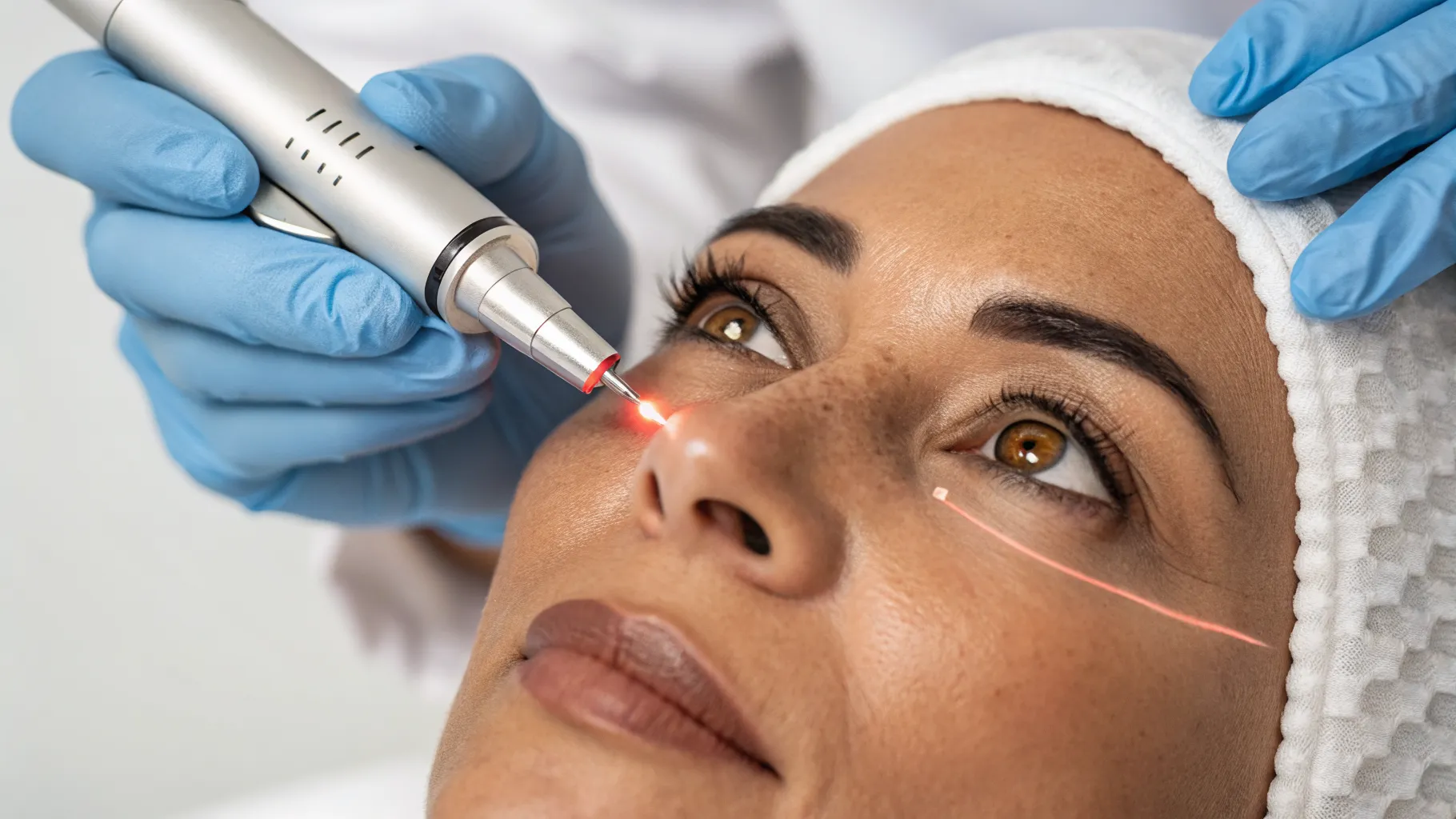
Ablative Lasers: Precision for Significant Under-Eye Bag Removal
Fractional CO2 Laser for Under-Eye Bags
The Fractional CO2 laser is renowned for its ability to deliver dramatic results, particularly in treating more pronounced under-eye bags and significant skin laxity. This powerful ablative laser works by delivering microscopic columns of laser energy into the skin, creating controlled thermal injury. This process stimulates the body's natural healing response, leading to intense collagen remodeling and resurfacing of the skin. Patients typically experience significant tightening of the lower eyelid skin, reduction in wrinkles, and a smoother texture. While highly effective for comprehensive under-eye bag removal, the downtime associated with CO2 laser treatment is longer, often involving several days to a week of redness, swelling, and peeling, necessitating careful post-procedure care to ensure optimal healing and prevent complications. The precision of the Fractional CO2 laser allows for targeted treatment, making it a powerful tool for experienced practitioners.
Erbium YAG Laser: Gentler Ablation for Periorbital Rejuvenation
Another highly effective ablative option is the Erbium YAG laser, which offers a somewhat gentler approach compared to the CO2 laser while still delivering impressive results for under-eye bag removal. The Erbium YAG laser operates at a different wavelength, allowing for a more superficial yet precise ablation of skin layers. This means less thermal damage to surrounding tissues, which generally translates to a quicker recovery time and reduced risk of post-inflammatory hyperpigmentation, especially for individuals with darker skin tones. It is particularly effective for fine lines, wrinkles, and mild to moderate under-eye puffiness. Patients undergoing Erbium YAG treatment can expect noticeable improvements in skin texture and firmness, contributing to overall periorbital rejuvenation. Although recovery is faster than with CO2, some redness and peeling are still expected.
Non-Ablative Lasers: Minimally Invasive Options for Under-Eye Concerns
Pulsed Dye Laser (PDL) and IPL for Vascular Under-Eye Issues
For those whose under-eye concerns are primarily related to vascularity, such as dark circles caused by visible blood vessels, Pulsed Dye Lasers (PDL) or Intense Pulsed Light (IPL) treatments can be highly beneficial. While not directly targeting physical under-eye bag removal, these non-ablative technologies work by selectively targeting red pigments in the blood vessels, leading to their coagulation and subsequent absorption by the body. This reduces the appearance of purple or blue discoloration, significantly brightening the under-eye area. Both PDL and IPL are non-ablative, meaning they do not remove the top layer of skin, resulting in minimal downtime and discomfort. Multiple sessions are typically required to achieve optimal results, and they are often used in conjunction with other laser types for a holistic approach to periorbital rejuvenation.
Nd:YAG and Diode Lasers for Skin Tightening
Other non-ablative lasers, such as certain configurations of Nd:YAG and Diode lasers, are increasingly being utilized for their skin-tightening properties, which can indirectly help with mild under-eye bag removal and laxity. These lasers work by heating the dermal layers of the skin, stimulating collagen production and remodeling without damaging the epidermal surface. The controlled thermal energy promotes a gradual firming effect, which can reduce the appearance of minor under-eye puffiness and improve overall skin elasticity. While the results are more subtle and progressive compared to ablative lasers, the advantage lies in virtually no downtime, making them attractive for individuals seeking gradual improvement and maintenance. Multiple treatment sessions are necessary to achieve and sustain the desired level of periorbital rejuvenation.
Choosing the Right Laser Type: Factors to Consider for Under-Eye Bag Removal
Selecting the most appropriate laser type for your under-eye bag removal journey involves a careful assessment of several crucial factors. The severity of your under-eye bags, skin type, individual skin concerns (e.g., hyperpigmentation, wrinkles, vascularity), and your willingness to tolerate downtime are all paramount. For instance, individuals with significant skin laxity and deeper wrinkles may find ablative lasers like the Fractional CO2 laser or Erbium YAG laser more effective, despite the longer recovery. Conversely, those seeking subtle improvements with minimal disruption to their daily routine might prefer non-ablative lasers. A thorough consultation with a board-certified dermatologist or plastic surgeon is indispensable. They can provide a personalized assessment, discuss realistic expectations, and recommend a tailored treatment plan that aligns with your specific aesthetic goals for effective periorbital rejuvenation.
Potential Risks and Side Effects of Laser Under-Eye Bag Removal
While laser treatments offer impressive results for under-eye bag removal, it is crucial to be aware of the potential risks and side effects associated with different laser types. Common side effects can include temporary redness, swelling, bruising, and discomfort immediately following the procedure. With ablative lasers, there's a higher risk of prolonged redness, changes in skin pigmentation (hypo- or hyperpigmentation), infection, and in rare cases, scarring or ectropion (outward turning of the eyelid). Non-ablative lasers generally have fewer and milder side effects, often limited to transient redness and minor swelling. Adhering strictly to post-treatment care instructions, including sun protection and gentle skincare, is vital to minimize risks and ensure optimal healing. Choosing an experienced practitioner significantly reduces the likelihood of adverse outcomes and ensures a safer path to periorbital rejuvenation.
Actionable Advice for Pre and Post-Laser Under-Eye Treatment
Consult with Experts: Always seek advice from a qualified dermatologist or plastic surgeon experienced in under-eye bag removal and laser treatments to determine the best laser type for your specific condition and skin type.
Avoid Sun Exposure: Before and after treatment, meticulously protect your skin from the sun. Sun exposure can increase the risk of hyperpigmentation, especially after ablative laser treatments. Use a broad-spectrum SPF 30+ daily.
Follow Skincare Regimen: Adhere strictly to the pre- and post-procedure skincare regimen provided by your clinician. This often includes gentle cleansers, specific moisturizers, and avoiding certain active ingredients.
Manage Expectations: Understand that while laser treatments are effective, results may vary, and multiple sessions might be required for optimal periorbital rejuvenation. Be patient with the healing process.
Stay Hydrated and Healthy: A healthy lifestyle, including adequate hydration and nutrition, supports overall skin health and can aid in the healing process following laser types for under-eye bag removal.
Frequently Asked Questions
Is laser under-eye bag removal painful?
The sensation during laser under-eye bag removal varies depending on the specific laser type and individual pain tolerance. Ablative lasers typically require a topical anesthetic, and sometimes local anesthesia, to minimize discomfort. Patients often describe a feeling of heat or snapping. Non-ablative lasers are generally less painful, often feeling like warm pulses or rubber band snaps, and may only require a topical numbing cream. Your provider will ensure you are as comfortable as possible during the procedure.
How long does recovery take for under-eye laser treatment?
Recovery time is highly dependent on the chosen laser type. For ablative lasers like Fractional CO2 laser or Erbium YAG laser, recovery can range from 5-10 days, involving redness, swelling, and peeling. Non-ablative treatments have minimal to no downtime, with possible mild redness or swelling subsiding within a day or two. Full results and complete healing, especially for collagen remodeling, can take several weeks to months for periorbital rejuvenation.
Are the results of laser under-eye bag removal permanent?
While laser under-eye bag removal can provide long-lasting results by stimulating collagen production and tightening the skin, the aging process continues. Factors such as sun exposure, genetics, and lifestyle choices can affect the longevity of the results. Many patients enjoy significant improvement for several years. Maintenance treatments or a combination of therapies may be recommended to sustain the youthful appearance achieved through these advanced laser types.
Can anyone get laser treatment for under-eye bags?
Not everyone is an ideal candidate for laser under-eye bag removal. Contraindications can include certain skin conditions, active infections, a history of keloid scarring, recent Accutane use, or pregnancy. Skin type is also a factor, as some laser types carry a higher risk of pigmentation changes in darker skin tones. A thorough consultation with a qualified professional is essential to determine if you are a suitable candidate and which specific laser type is safest and most effective for your individual needs for periorbital rejuvenation.
References
- Journal of Dermatologic Surgery for laser resurfacing techniques.
- American Academy of Ophthalmology guidelines on periorbital cosmetic procedures.
- Clinical studies on fractional laser efficacy for skin rejuvenation.
- Textbooks on aesthetic dermatology and facial anatomy.
Authored by 24Trendz team