Cataract Surgery and Lens Replacement: Your Ultimate Guide to Vision Correction
Facts:
- Cataract surgery is one of the most common surgeries performed worldwide.
- Trending now: Premium intraocular lenses for astigmatism and presbyopia correction.
Understanding the Journey: From Cataracts to Crystal-Clear Vision
When vision becomes clouded by cataracts, the world can lose its sharpness and color. Fortunately, modern medicine offers a highly effective solution: cataract surgery. This procedure is not just about removing the cloudy lens; it involves a sophisticated lens replacement with an artificial one, known as an intraocular lens (IOL). This process is the key to restoring clarity and, in many cases, significantly improving overall vision correction, often reducing or eliminating the need for glasses. Understanding this procedure is the first step toward reclaiming a brighter, clearer world.
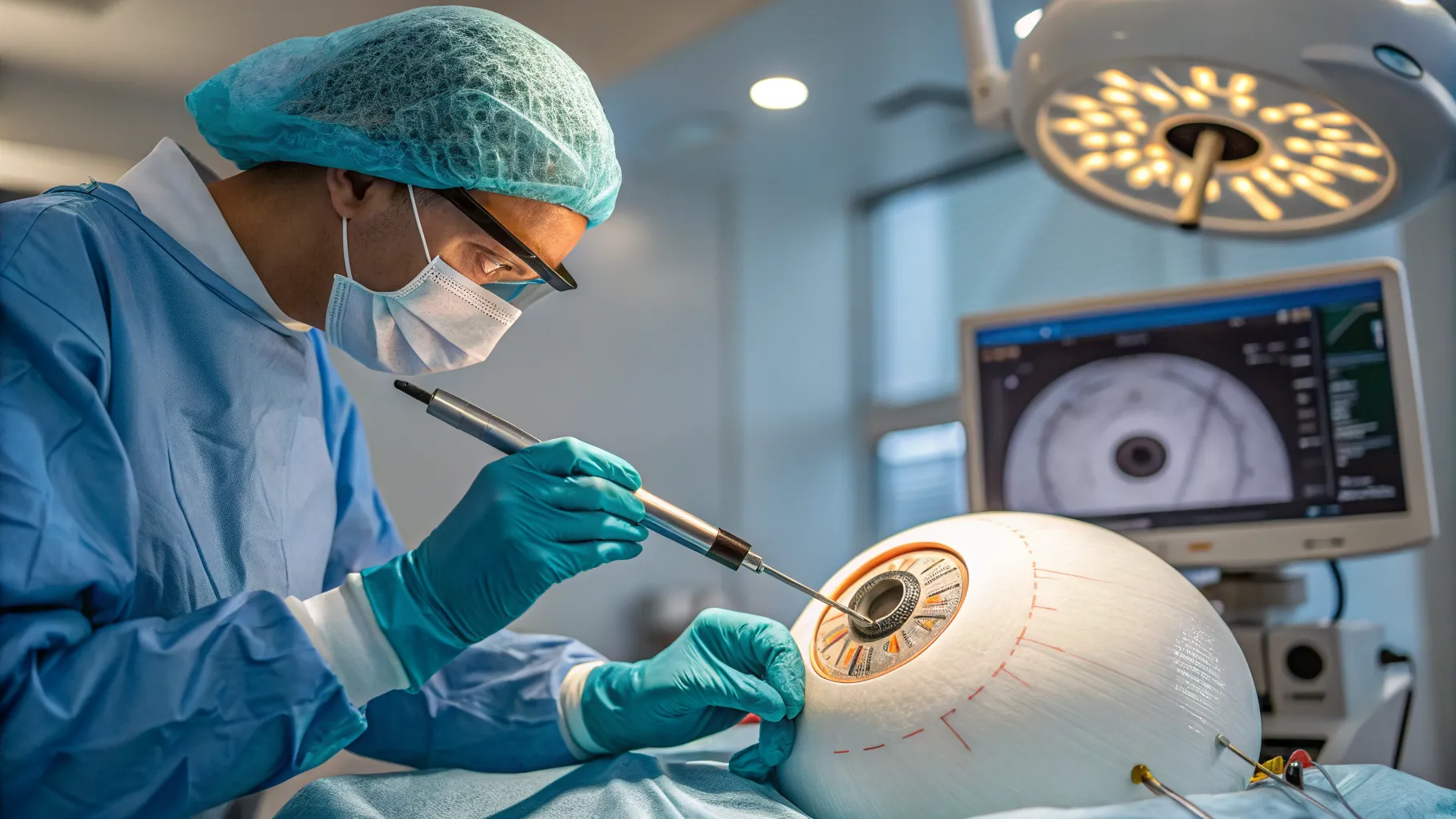
Types of Intraocular Lenses (IOLs) for Vision Correction
The choice of an intraocular lens (IOL) is a critical part of planning your cataract surgery. It's a decision that directly impacts the quality of your vision for the rest of your life. There is no one-size-fits-all solution; the best IOL depends on your lifestyle, visual needs, and eye health. Monofocal IOLs are the standard option, providing clear vision at a single distance—either near, intermediate, or far. Patients often choose distance vision and use reading glasses for close-up tasks. For those seeking greater freedom from glasses, premium IOLs offer advanced vision correction. Multifocal IOLs have different zones to provide clear vision at multiple distances, while Toric IOLs are specifically designed to correct astigmatism, a common condition caused by an irregularly shaped cornea. Your surgeon will conduct a thorough examination and discuss which lens replacement option is best suited for you.
The Cataract Surgery Procedure Explained Step-by-Step
The most common method for cataract surgery today is a minimally invasive procedure called phacoemulsification. The process is remarkably quick and efficient. First, your eye will be numbed with anesthetic drops. The surgeon then makes a tiny incision in the cornea. Through this incision, a small ultrasonic probe is inserted. This probe emits high-frequency sound waves that break up, or emulsify, the cloudy cataract into tiny pieces. These fragments are then gently suctioned out of the eye. Once the cataract is removed, the new, folded intraocular lens (IOL) is inserted through the same incision. It unfolds into its permanent position, replacing the natural lens. The incision is typically so small that it is self-sealing and does not require stitches, promoting a faster and more comfortable recovery. The entire lens replacement procedure usually takes less than 30 minutes.
Comparing Advanced Lens Replacement Options
When considering lens replacement, patients are often presented with a choice between standard monofocal lenses and advanced-technology premium lenses. The primary difference lies in the range of vision correction they provide. A standard monofocal intraocular lens (IOL) corrects vision at one focal point, meaning you will likely still need glasses for either reading or distance vision. In contrast, premium multifocal or extended depth-of-focus (EDOF) IOLs are engineered to provide a broader range of vision, reducing dependency on glasses. Toric IOLs are a premium option specifically for patients with astigmatism. While premium IOLs come at a higher cost, many patients find the investment worthwhile for the convenience and lifestyle benefits they offer. Discussing your daily activities, hobbies, and visual goals with your ophthalmologist is crucial to selecting the IOL that will best serve your needs after cataract surgery.
Preparing for Your Lens Replacement Surgery
Proper preparation is key to a smooth and successful cataract surgery experience. Your ophthalmologist will provide specific instructions tailored to you, but some general guidelines can help you get ready for the procedure. Following these steps helps minimize risks and promotes optimal healing.
- Pre-Operative Measurements: You will undergo a comprehensive eye exam where precise measurements of your eye's length and corneal curvature are taken. These measurements are crucial for calculating the correct power of your new intraocular lens (IOL) to achieve the desired vision correction.
- Medication Review: Inform your doctor about all medications and supplements you are taking. You may be asked to temporarily stop certain medications, like blood thinners, to reduce the risk of bleeding during the lens replacement surgery.
- Arrange Transportation: You will not be able to drive yourself home after the procedure. Arrange for a friend or family member to take you to and from the surgical center and stay with you for a few hours afterward.
- Fasting Instructions: You will likely be instructed not to eat or drink anything for several hours before your cataract surgery. This is a standard safety precaution for procedures involving sedation.
- Follow Eye Drop Schedule: Your surgeon will prescribe antibiotic and anti-inflammatory eye drops to be used before and after surgery. It is vital to follow the prescribed schedule exactly to prevent infection and control inflammation.
Frequently Asked Questions
How long does cataract surgery take?
The surgical procedure itself is very quick, typically lasting only 15 to 30 minutes. However, you should plan to be at the surgical center for 2 to 3 hours to allow for pre-operative preparation and post-operative recovery monitoring.
Is lens replacement painful?
No, the procedure is not painful. Your eye is completely numbed with anesthetic eye drops before the surgery begins. You may feel slight pressure during the procedure, but you should not feel any pain. Mild discomfort or a gritty sensation is common for a day or two after surgery.
What is the best type of intraocular lens (IOL)?
There is no single 'best' IOL for everyone. The optimal choice depends on your individual eye health, the presence of astigmatism, your lifestyle, and your goals for vision correction. A detailed discussion with your surgeon will help determine the most suitable lens for your specific needs.
When will my vision improve after the surgery?
Many patients notice improved vision within the first 24 to 48 hours after their cataract surgery. However, it can take a few weeks for your vision to fully stabilize as your eye heals. Your final prescription for glasses, if needed, will be determined after this healing period.
References
- American Academy of Ophthalmology - Cataract Surgery Guidelines
- National Eye Institute - Facts About Cataract
- Journal of Cataract & Refractive Surgery - IOL Technology Review
- The New England Journal of Medicine - Outcomes of Phacoemulsification
Authored by 24Trendz team