Breakthrough Therapy for Hip Arthritis: Non-Surgical Joint Preservation Explained
Facts:
- New modalities offer hope for mobility.
- Patient satisfaction is increasing for non-invasive options.
Revolutionizing Hip Arthritis Treatment: The Path to Joint Preservation
For individuals grappling with the debilitating pain and stiffness of hip arthritis, the prospect of total joint replacement has long been a daunting, yet often inevitable, solution. However, recent advancements are heralding a new era in orthopedic care, offering a genuine breakthrough therapy for hip arthritis without joint replacement. This paradigm shift focuses on joint preservation, utilizing innovative techniques and biological interventions to restore function and alleviate discomfort, empowering patients to maintain their natural joint structure and avoid invasive surgery. Understanding these non-surgical hip therapy options is crucial for anyone seeking alternative, effective management strategies for their condition, moving beyond traditional symptomatic relief towards actual tissue regeneration and repair.
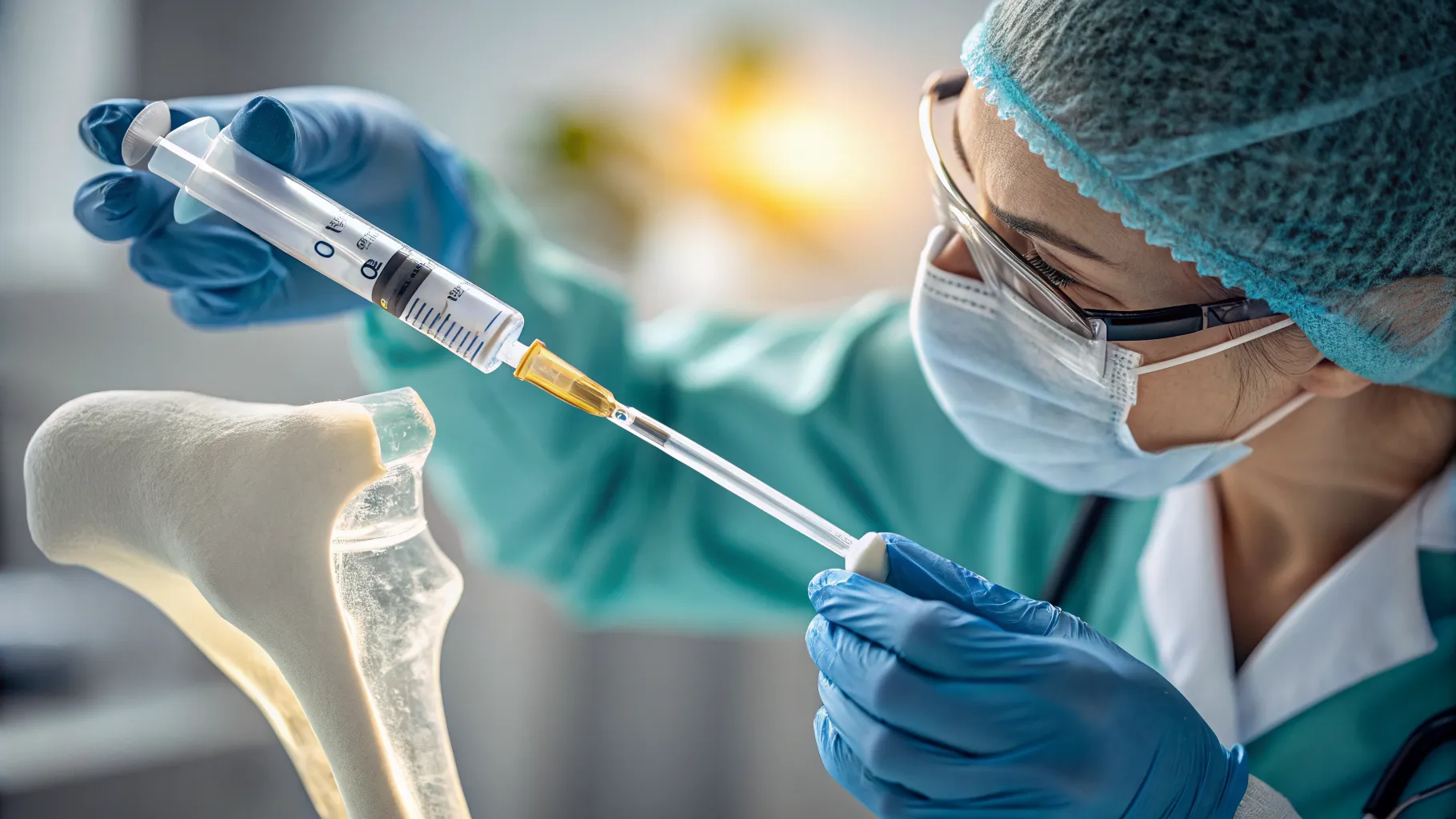
Exploring Advanced Non-Surgical Hip Therapy Modalities
The landscape of hip arthritis treatment is rapidly evolving, with several cutting-edge modalities now available that promise significant relief and improved quality of life without the need for extensive surgical intervention. These therapies aim to address the root causes of arthritis, such as cartilage degradation and inflammation, rather than simply managing symptoms. Techniques range from advanced injectable therapies that harness the body's natural healing capabilities to innovative physical rehabilitation protocols designed to optimize joint mechanics and reduce stress on damaged tissues. Each approach represents a step forward in the quest for effective non-surgical hip therapy, providing patients with a broader spectrum of choices tailored to their specific condition and lifestyle.
Biologic Injections: Regenerating Cartilage and Reducing Inflammation
Among the most promising avenues in joint preservation are biologic injections, which utilize substances derived from the patient's own body to promote healing and reduce inflammation. Platelet-rich plasma (PRP) therapy, for instance, concentrates growth factors from a patient's blood and injects them into the affected hip joint, stimulating tissue repair and modulating inflammatory responses. Similarly, mesenchymal stem cell (MSC) therapy involves extracting stem cells, often from bone marrow or adipose tissue, and injecting them into the joint. These potent cells have the ability to differentiate into various tissue types, including cartilage, and possess strong immunomodulatory properties that can significantly alleviate arthritis symptoms and potentially regenerate damaged cartilage. These minimally invasive procedures offer a targeted approach to internal joint repair, providing a crucial minimally invasive hip solution for many.
Precision Rehabilitation and Targeted Exercise Regimens
Beyond injections, a cornerstone of successful non-surgical hip therapy involves highly specialized physical rehabilitation and targeted exercise programs. These are not merely generic exercises but are meticulously designed based on an individual's biomechanics and the specific patterns of their hip arthritis. Therapists focus on strengthening the muscles surrounding the hip joint, improving flexibility, enhancing joint stability, and correcting gait abnormalities. The goal is to offload stressed areas of the joint, optimize movement patterns, and create a more supportive environment for the existing cartilage. This comprehensive approach to physical therapy is critical for long-term pain management and enhancing the effectiveness of other regenerative therapies, playing a vital role in preventing further degeneration and supporting the body's natural healing mechanisms for cartilage regeneration.
Understanding the Benefits of Avoiding Joint Replacement
Choosing a breakthrough therapy for hip arthritis without joint replacement offers numerous advantages. Primarily, patients avoid the significant risks associated with major surgery, including infection, blood clots, and prolonged recovery times. Furthermore, preserving the natural hip joint means maintaining its inherent biomechanics, which can often lead to more natural movement and better long-term function compared to prosthetic joints. The recovery period for non-surgical treatments is typically much shorter, allowing individuals to return to their daily activities more quickly. This focus on joint preservation empowers patients with options that not only relieve pain but also maintain their anatomical integrity, fostering a more sustainable and less invasive path to long-term mobility and comfort. The shift towards such methods marks a significant advancement in enhancing patient autonomy and overall well-being for those dealing with chronic hip pain.
Comparing Traditional vs. Breakthrough Hip Arthritis Treatments
When evaluating options for hip arthritis treatment, it's essential to compare traditional approaches with the newer breakthrough therapies. Historically, once conservative measures like oral pain relievers, anti-inflammatory drugs, and basic physical therapy failed, total hip replacement was the next, often inevitable, step. While highly effective for severe cases, it is a major surgery with a significant recovery period and potential complications. In contrast, new non-surgical hip therapy options, such as biologic injections (PRP, stem cells) and advanced physical rehabilitation, offer a distinct pathway. These therapies aim to halt or even reverse the degenerative process, focusing on cartilage regeneration and inflammation reduction. They are typically outpatient procedures, require minimal downtime, and allow patients to avoid the extensive risks and recovery associated with surgery. This offers a compelling alternative for many who wish to defer or avoid joint replacement entirely, providing an effective minimally invasive hip solution.
Actionable Advice for Seeking Breakthrough Hip Arthritis Therapy
If you are considering a breakthrough therapy for hip arthritis without joint replacement, follow these actionable steps to ensure you receive the most effective care:
- Consult with a Specialist in Joint Preservation: Seek out orthopedic surgeons or sports medicine physicians who specialize in joint preservation and have extensive experience with advanced non-surgical hip therapy options. They can accurately assess your condition and determine if you are a suitable candidate.
- Undergo Comprehensive Diagnostics: Ensure a thorough diagnostic workup, which may include advanced imaging like MRI with contrast, to precisely understand the extent of cartilage damage, inflammation, and any underlying biomechanical issues contributing to your hip arthritis treatment needs.
- Discuss All Available Biologic Options: Inquire about the different types of biologic injections, such as PRP and stem cell therapies, their efficacy for your specific condition, potential risks, and expected outcomes. Understand the science behind how these treatments promote cartilage regeneration.
- Commit to a Structured Rehabilitation Program: Recognize that non-surgical success often hinges on a dedicated and consistent physical therapy regimen. Work with a physical therapist specializing in hip biomechanics to develop a personalized exercise plan that strengthens supporting muscles and improves joint function, reinforcing the benefits of your chosen minimally invasive hip solution.
- Maintain a Healthy Lifestyle: Adopt lifestyle modifications that support joint health, including maintaining a healthy weight to reduce stress on your hip, incorporating low-impact exercises, and following an anti-inflammatory diet. These factors significantly contribute to the long-term success of any hip arthritis treatment.
Frequently Asked Questions
What is the primary goal of breakthrough therapy for hip arthritis?
The primary goal of breakthrough therapy for hip arthritis is joint preservation, aiming to alleviate pain, restore function, and prevent or delay the need for joint replacement surgery by promoting natural healing and regeneration of joint tissues.
Are non-surgical hip therapy options effective for all stages of arthritis?
While highly effective for many, the suitability of non-surgical hip therapy depends on the stage and severity of the arthritis. Early to moderate stages often respond best, but advancements are making these treatments viable for a broader range of patients, offering a true minimally invasive hip solution.
How long does recovery take for these new therapies?
Recovery times for breakthrough therapy for hip arthritis without joint replacement are typically much shorter than for surgery, often involving a few days to weeks of reduced activity, followed by a structured physical therapy program tailored to promote cartilage regeneration and overall joint health.
What are the risks associated with biologic injections for hip arthritis?
Risks for biologic injections are generally minimal, as they use substances from the patient's own body, reducing the chance of allergic reactions. Potential risks include temporary pain or swelling at the injection site, and infection, though these are rare, making it a safe hip arthritis treatment option.
Can I combine different non-surgical treatments for better results?
Yes, often the most successful outcomes for joint preservation involve a multimodal approach, combining therapies like biologic injections with targeted physical therapy, lifestyle modifications, and other supportive treatments to maximize healing and improve long-term joint health.
References
- The Role of Biologics in Orthopedic Joint Preservation.
- Advances in Non-Surgical Management of Hip Osteoarthritis.
- Platelet-Rich Plasma and Stem Cell Therapies for Joint Degeneration.
- Comprehensive Rehabilitation Strategies for Hip Arthritis.
Authored by 24Trendz team