Best Professional Chemical Peel Treatments in 2026 for Radiant Skin
Facts:
- Chemical peels are a top aesthetic procedure.
- Demand for advanced aesthetic procedures continues to rise for visible skin improvement.
Exploring the Efficacy of Professional Chemical Peels in 2026
As we navigate the evolving landscape of dermatology in 2026, the demand for effective and reliable professional chemical peel treatments continues to surge. These sophisticated procedures offer an unparalleled opportunity for significant skin rejuvenation, addressing a myriad of concerns from fine lines and wrinkles to hyperpigmentation and acne scars. Understanding the diverse options available, their specific benefits, and the science behind them is crucial for anyone seeking to achieve a truly radiant and healthy complexion through advanced aesthetic procedures. This comprehensive guide delves into the top choices for professional chemical peels, providing insights into what makes each treatment a standout in the pursuit of optimal skin health and appearance.
Understanding the Range of Professional Chemical Peel Treatments
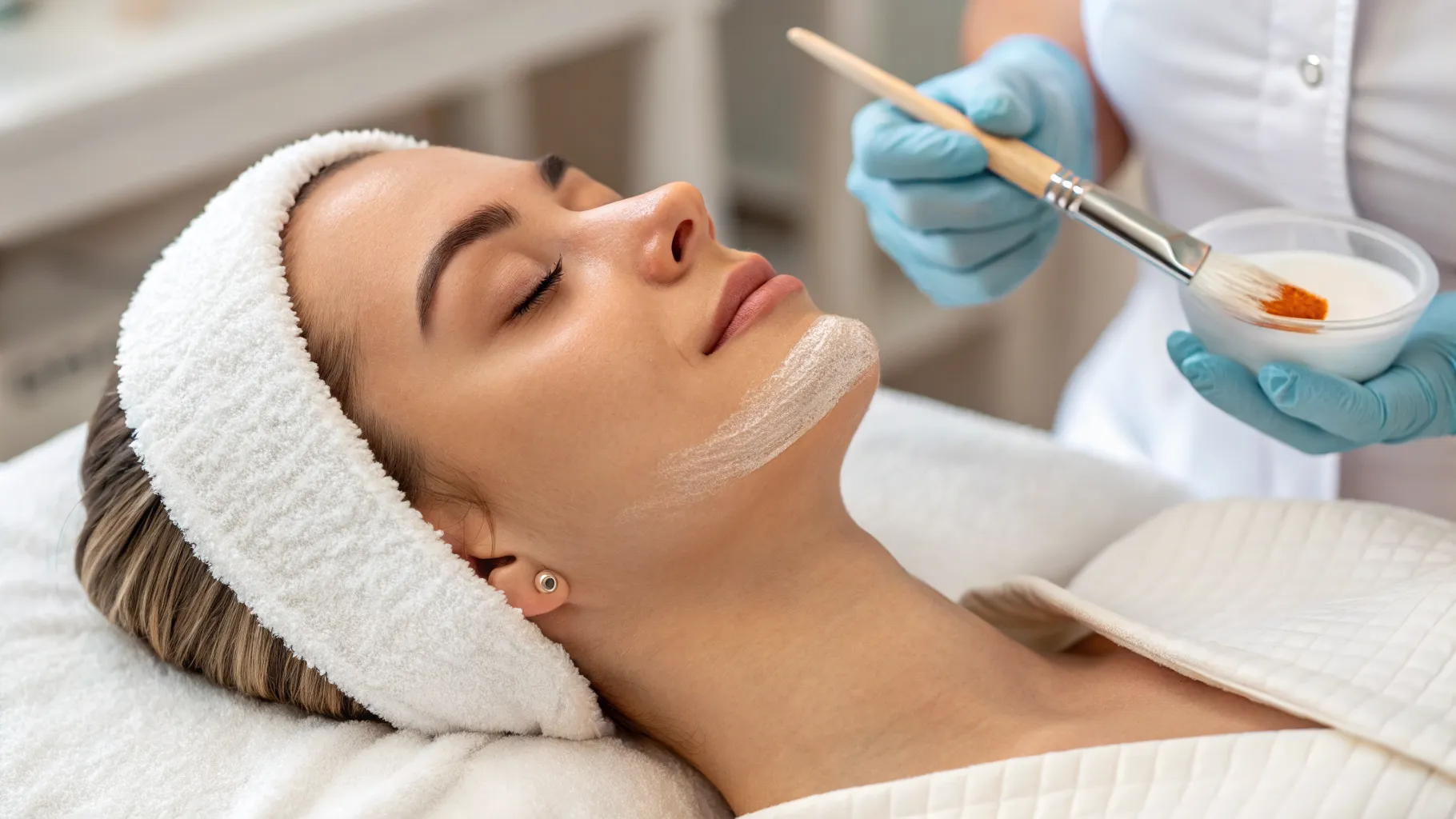
The world of professional chemical peel treatments is vast and varied, with each type formulated to target specific skin issues and suit different skin sensitivities. Choosing the right peel is paramount for achieving desired results and minimizing potential side effects. Dermatologists and licensed estheticians carefully assess skin type, concerns, and desired outcomes before recommending a suitable treatment. Here, we delve into some of the most effective and popular options available for skin rejuvenation treatments, ensuring a tailored approach to your aesthetic goals.
Glycolic Acid Peels: The Alpha-Hydroxy Acid Powerhouse
Glycolic acid, derived from sugarcane, is a renowned alpha-hydroxy acid (AHA) and a cornerstone of many professional chemical peel treatments. It works by gently exfoliating the outermost layer of dead skin cells, revealing brighter, smoother skin underneath. These peels are excellent for improving skin texture, reducing the appearance of fine lines, minimizing pores, and evening out skin tone. They are available in various concentrations, making them adaptable for different skin types and concerns, from mild exfoliation to more intensive revitalization. Patients often experience a noticeable glow and improved clarity, making it a popular choice for routine skin maintenance and initial steps into dermatologist-grade peels.
Salicylic Acid Peels: The Beta-Hydroxy Acid for Acne
For those struggling with acne, oily skin, and congested pores, salicylic acid peels offer a targeted solution. As a beta-hydroxy acid (BHA), salicylic acid is oil-soluble, allowing it to penetrate deeper into the pores to dissolve sebum and dead skin cells. This makes it exceptionally effective at treating blackheads, whiteheads, and active breakouts, as well as preventing future ones. These professional chemical peel treatments also possess anti-inflammatory properties, which help to calm irritated skin. Regular treatments can significantly reduce acne lesions and improve overall skin clarity, making them a staple in skin rejuvenation treatments for blemish-prone individuals.
TCA Peels: Medium-Depth for Significant Correction
Trichloroacetic Acid (TCA) peels are considered medium-depth peels, capable of addressing more significant skin concerns compared to AHAs and BHAs. They penetrate deeper into the skin to target sun damage, hyperpigmentation, deeper wrinkles, and certain types of acne scars. TCA peels come in varying strengths, allowing for customized treatment based on the severity of the skin issue and the patient's tolerance. While requiring a slightly longer downtime, the results can be dramatic, offering substantial improvement in skin texture, tone, and overall appearance. These are potent advanced aesthetic procedures that deliver profound chemical peel benefits.
Jessner's Peel: A Versatile Blend for Enhanced Results
The Jessner's peel is a combination peel, typically comprising salicylic acid, lactic acid (an AHA), and resorcinol. This synergistic blend allows it to tackle a broad spectrum of skin issues. The salicylic acid targets oil and pores, lactic acid provides hydration and exfoliation, and resorcinol enhances exfoliation and helps in skin brightening. Jessner's peels are effective for treating acne, hyperpigmentation, sun damage, and superficial lines. They are versatile professional chemical peel treatments that can be layered to achieve desired depth, offering excellent skin rejuvenation treatments with controlled downtime.
Phenol Peels: Deepest Rejuvenation for Dramatic Transformation
Phenol peels are the deepest form of chemical peel and are reserved for severe skin damage, deep wrinkles, significant sun damage, and advanced textural irregularities. Due to their profound penetration, they offer the most dramatic results, often akin to a facelift in terms of skin tightening and wrinkle reduction. However, they require extensive downtime and are performed under strict medical supervision due to their intensity. Phenol peels represent the pinnacle of advanced aesthetic procedures for total skin resurfacing, providing long-lasting chemical peel benefits for suitable candidates.
Choosing the Right Advanced Aesthetic Procedure for Your Skin Concerns
Selecting the optimal advanced aesthetic procedure among the various professional chemical peel treatments requires careful consideration and professional guidance. Factors such as your skin type, specific concerns (e.g., acne, hyperpigmentation, wrinkles), desired downtime, and overall health play crucial roles in this decision. For instance, individuals with sensitive skin might start with milder glycolic or lactic acid peels, while those battling persistent acne may find salicylic acid peels more beneficial. Those seeking significant anti-aging effects might explore TCA or even phenol peels under expert supervision. A consultation with a qualified dermatologist is essential to create a personalized treatment plan that maximizes chemical peel benefits while ensuring safety and efficacy. Understanding the differences between superficial, medium, and deep peels is key to setting realistic expectations for results and recovery.
Maximizing Your Results: Post-Treatment Care and Long-Term Skin Health
Achieving the best possible outcomes from your dermatologist-grade peels extends beyond the procedure itself; diligent post-treatment care is critical for healing and enhancing the longevity of your results. Improper aftercare can lead to complications or diminish the peel's effectiveness. Following your specialist's instructions meticulously ensures a smooth recovery and preserves the improvements gained from your professional chemical peel treatments.
- Strict Sun Protection: Immediately after a peel, your skin is highly vulnerable to UV damage. Daily application of a broad-spectrum sunscreen with SPF 30 or higher is non-negotiable. Wear hats and seek shade whenever possible to prevent hyperpigmentation and protect the healing skin.
- Gentle Cleansing and Moisturization: Use mild, non-irritating cleansers and rich, hydrating moisturizers recommended by your specialist. Avoid harsh scrubs, abrasive tools, or products containing active ingredients like retinoids or strong acids until your skin has fully healed.
- Avoid Picking or Peeling: Allow your skin to peel naturally. Picking or forcing exfoliation can lead to scarring, infection, and prolonged redness. Patience is key during the recovery phase to ensure optimal skin rejuvenation treatments.
- Stay Hydrated: Drinking plenty of water supports overall skin health and aids in the healing process from within. This internal hydration complements the external care your skin receives.
- Follow-Up Appointments: Adhere to any scheduled follow-up appointments with your dermatologist. These visits allow your specialist to monitor your progress, address any concerns, and recommend subsequent treatments if necessary, ensuring consistent chemical peel benefits.
Innovations in Skin Rejuvenation Treatments
The field of skin rejuvenation treatments is constantly evolving, with new formulations and techniques enhancing the safety and efficacy of professional chemical peel treatments. Research in 2026 focuses on optimizing peel penetration, reducing downtime, and incorporating ingredients that support the skin barrier during the healing process. Innovations include peels with advanced buffering systems to minimize irritation, novel combinations of acids for multi-target action, and post-peel products specifically designed to accelerate recovery. These advancements aim to make dermatologist-grade peels more accessible and comfortable for a wider range of patients, ensuring superior and longer-lasting chemical peel benefits. The future of advanced aesthetic procedures promises even more personalized and effective solutions for achieving luminous skin.
Frequently Asked Questions
What are the primary benefits of professional chemical peel treatments?
The primary chemical peel benefits include improved skin texture and tone, reduction of fine lines and wrinkles, treatment of acne and acne scars, reduction of hyperpigmentation (sun spots, melasma), and overall brighter, more radiant skin. These skin rejuvenation treatments promote cellular turnover, revealing healthier skin layers.
How often should one undergo professional chemical peel treatments?
The frequency of professional chemical peel treatments depends on the type of peel, your skin type, and your specific concerns. Superficial peels can often be done every 3-4 weeks, while medium-depth peels may be recommended every 3-6 months. Deep peels are typically a one-time treatment. Your dermatologist will provide a personalized schedule for your advanced aesthetic procedures.
Is there significant downtime after a dermatologist-grade peel?
Downtime varies significantly with the depth of the dermatologist-grade peels. Superficial peels may involve mild redness and flaking for a few days. Medium-depth peels can result in redness, swelling, and more noticeable peeling for 5-7 days. Deep peels involve considerable downtime, with significant redness, swelling, and crusting lasting several weeks. Your specialist will inform you about what to expect.
Can professional chemical peel treatments be performed on all skin types?
While many professional chemical peel treatments can be adapted for various skin types, caution is exercised for darker skin tones due to a higher risk of post-inflammatory hyperpigmentation. Specialists often use specific peels or lower concentrations, and pre-treatment protocols may be implemented to prepare the skin and minimize risks. It's crucial to consult with a professional experienced in treating diverse skin types for skin rejuvenation treatments.
What are the key ingredients in the best professional chemical peel treatments?
The best professional chemical peel treatments often feature active ingredients such as alpha-hydroxy acids (AHAs like glycolic and lactic acid), beta-hydroxy acids (BHAs like salicylic acid), trichloroacetic acid (TCA), and resorcinol. Some advanced aesthetic procedures may also incorporate retinoids or other therapeutic agents to enhance their efficacy and deliver superior chemical peel benefits.
References
- American Academy of Dermatology Association on Chemical Peels
- Journal of Clinical and Aesthetic Dermatology research on exfoliation therapies
- International Journal of Cosmetic Science studies on skin resurfacing agents
- Expert consensus on post-procedure care for aesthetic treatments
- Clinical trials data for various chemical peel formulations
Authored by 24Trendz team