The Definitive Guide to Medical-Grade Injectable Fillers in 2026
Facts:
- Filler market projected significant growth.
- Customized treatment plans for non-surgical facial rejuvenation are a leading trend for aesthetic patients.
Navigating the Evolving Landscape of Medical-Grade Injectable Fillers
The quest for youthful, radiant skin continues to drive innovation in aesthetic medicine. As we approach mid-2026, the market for medical-grade injectable fillers offers an impressive array of advanced solutions, each designed to address specific concerns from volume loss to fine lines. Choosing the right treatment requires a deep understanding of the available options and their unique benefits. This guide explores the leading dermal fillers 2026, helping you make informed decisions for optimal non-surgical facial rejuvenation.
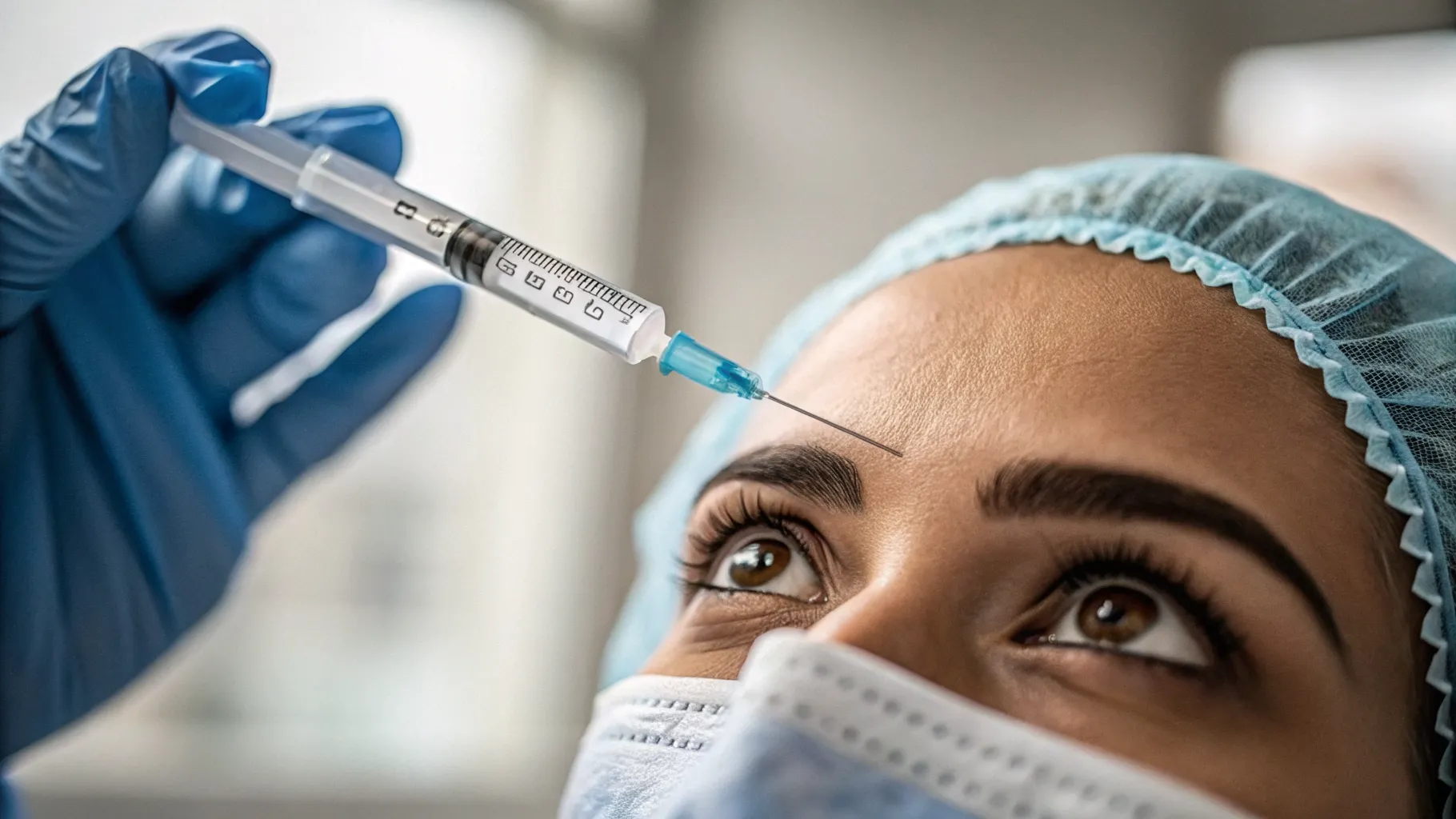
Hyaluronic Acid (HA) Fillers: The Ubiquitous Choice for Dermal Fillers 2026
Hyaluronic acid fillers remain the most popular category of medical-grade injectable fillers due to their remarkable versatility, safety profile, and reversibility. HA is a naturally occurring substance in the body, primarily known for its ability to attract and hold vast amounts of moisture, providing hydration and volume to the skin. Brands like Juvéderm, Restylane, and Belotero offer a wide spectrum of HA formulations, each engineered with distinct cross-linking technologies to achieve various effects, from subtle lip enhancement to significant cheek augmentation. The softer gels are ideal for fine lines and superficial wrinkles, while more robust formulations can restore deep volume loss in areas like the mid-face or jawline. Their immediate results, coupled with the option of hyaluronidase to dissolve them if necessary, provide both patients and practitioners with peace of mind. As we look at dermal fillers 2026, advancements continue to refine their rheological properties, offering even more natural-looking and longer-lasting outcomes for non-surgical facial rejuvenation.
Calcium Hydroxylapatite (CaHA) Fillers: Beyond Immediate Volume
Calcium Hydroxylapatite fillers, most notably Radiesse, represent a significant advancement in medical-grade injectable fillers, offering more than just immediate volume. Composed of tiny calcium microspheres suspended in a gel carrier, CaHA fillers not only provide instant lift and contour but also act as powerful collagen stimulators. Once injected, the gel provides initial correction, and over several weeks and months, the microspheres encourage the body's natural production of new collagen. This dual-action mechanism leads to a more sustained and natural improvement in skin quality and elasticity, often lasting a year or more. CaHA is particularly effective for deeper lines and folds, facial sculpting (e.g., jawline and chin definition), and hand rejuvenation. While not reversible like HA fillers, their biocompatibility and proven track record make them a trusted choice for those seeking comprehensive and enduring non-surgical facial rejuvenation.
Poly-L-Lactic Acid (PLLA) Fillers: The Long-Term Collagen Stimulators
Sculptra, the leading Poly-L-Lactic Acid filler, stands apart from immediate volumizers. It is primarily a collagen stimulator, designed to gradually restore facial volume and improve skin texture by prompting the body to rebuild its own collagen framework. This process unfolds over several months and typically requires a series of treatment sessions, making it a commitment for patients seeking significant, long-term correction. PLLA is exceptionally well-suited for addressing widespread volume loss, such as hollow temples, sunken cheeks, and deep nasolabial folds, providing a natural-looking rejuvenation that can last for two years or even longer. Unlike other medical-grade injectable fillers, the results with PLLA are subtle at first, becoming progressively more apparent as new collagen develops, leading to a remarkably natural and youthful appearance. Its role in comprehensive non-surgical facial rejuvenation is invaluable for patients prioritizing sustained natural improvement.
Polymethylmethacrylate (PMMA) Fillers: The Permanent Choice Among Dermal Fillers 2026
For individuals seeking a truly long-lasting or even permanent solution, Polymethylmethacrylate (PMMA) fillers, such as Bellafill, offer a distinct option among medical-grade injectable fillers. PMMA fillers consist of tiny, non-absorbable microspheres suspended in a collagen gel. The collagen gel provides immediate volume, while the PMMA microspheres remain in place indefinitely, stimulating the body's own collagen production around them. This creates a permanent structural support, making PMMA ideal for correcting deep wrinkles, acne scars, and significant volume deficits that require enduring correction. Due to its permanent nature, it necessitates a highly skilled injector and careful patient selection. While not as widely used as temporary fillers, PMMA remains a viable option for specific cases where long-term results are paramount in the landscape of dermal fillers 2026.
Polycaprolactone (PCL) Fillers: Next-Generation Resorbable Collagen Stimulators
Ellansé, a prominent Polycaprolactone (PCL) filler, represents an innovative class of medical-grade injectable fillers that combine immediate correction with long-term collagen stimulators. PCL microspheres are suspended in a gel carrier, much like CaHA, but offer tunable duration options (from 1 to 4 years) depending on the polymer chain length. Upon injection, the gel provides instant volume and contour. Subsequently, the PCL microspheres gradually biodegrade while simultaneously stimulating the body's natural collagen production, yielding natural-looking and durable results. This makes PCL fillers highly effective for addressing moderate to severe wrinkles, facial contouring, and overall skin quality improvement. Their predictable degradation profile and robust collagenesis make them an exciting development in the pursuit of effective and lasting non-surgical facial rejuvenation.
Choosing Your Ideal Filler: A Comparative Analysis for Non-Surgical Facial Rejuvenation
Selecting the optimal medical-grade injectable fillers depends on a multitude of factors, including the specific area of concern, desired longevity, budget, and individual response. For immediate, reversible, and versatile correction of fine lines, lips, and under-eye hollows, Hyaluronic acid fillers are generally the first line of defense. When seeking both immediate volume and sustained collagen stimulators for deeper folds or facial sculpting, CaHA fillers like Radiesse offer an excellent middle ground. For patients prioritizing natural, long-term collagen regeneration over several months to address widespread volume loss, PLLA (Sculptra) is unmatched. For permanent correction of deep wrinkles and scars, PMMA fillers like Bellafill are a specialized consideration. Lastly, the newer PCL fillers (Ellansé) provide a compelling option for those desiring extended duration with significant collagen stimulation. A thorough consultation with a board-certified aesthetic practitioner is crucial to determine the most appropriate dermal fillers 2026 treatment plan tailored to your unique aesthetic goals and anatomical needs, ensuring the safest and most effective non-surgical facial rejuvenation outcomes.
Maximizing Your Results: Practical Advice for Dermal Fillers 2026
Choose an Experienced Practitioner:
The skill and experience of your injector are paramount. Ensure your chosen professional is a board-certified dermatologist, plastic surgeon, or other qualified medical professional with extensive training specifically in medical-grade injectable fillers. Their understanding of facial anatomy and aesthetic principles is crucial for achieving natural-looking and safe results in non-surgical facial rejuvenation.
Understand the Product:
Educate yourself on the different types of dermal fillers 2026 available, such as Hyaluronic acid fillers, CaHA, and PLLA. Each has unique properties, longevity, and ideal applications. A knowledgeable patient can have a more productive consultation and set realistic expectations for their non-surgical facial rejuvenation journey.
Follow Pre- and Post-Care Instructions:
Adhering to your practitioner's pre-treatment guidelines (e.g., avoiding blood thinners) and post-treatment care (e.g., gentle massage, avoiding strenuous exercise) is vital. This minimizes bruising, swelling, and other potential side effects, ensuring optimal healing and integration of the medical-grade injectable fillers.
Maintain Realistic Expectations:
While medical-grade injectable fillers offer significant improvements, they are not a substitute for surgical procedures. Discuss your aesthetic goals openly with your provider to ensure they are achievable and align with the capabilities of dermal fillers 2026 to avoid disappointment and achieve satisfactory non-surgical facial rejuvenation.
Schedule Follow-Up Appointments:
Regular follow-ups allow your practitioner to assess your results, address any concerns, and plan for maintenance treatments. This ongoing relationship ensures the longevity and continued satisfaction with your medical-grade injectable fillers.
Frequently Asked Questions
Are medical-grade injectable fillers safe?
Yes, when administered by a qualified and experienced professional, medical-grade injectable fillers are generally considered safe. Most modern fillers are biocompatible and undergo rigorous testing. It's crucial to choose a reputable clinic and discuss your medical history thoroughly.
How long do dermal fillers 2026 last?
The duration of results varies significantly depending on the type of filler, the treated area, individual metabolism, and lifestyle. Hyaluronic acid fillers typically last 6-18 months, while collagen stimulators like PLLA can last 2 years or more. PMMA fillers are considered permanent.
Is the procedure for non-surgical facial rejuvenation painful?
Most medical-grade injectable fillers contain lidocaine, a local anesthetic, to minimize discomfort during injection. Additionally, practitioners often apply topical numbing cream prior to treatment. While you might feel some pressure or a mild pinch, severe pain is uncommon.
What are the potential side effects of medical-grade injectable fillers?
Common side effects are usually temporary and mild, including redness, swelling, bruising, and tenderness at the injection site. More serious, but rare, side effects can include allergic reactions, infection, or vascular occlusion. Choosing an experienced injector significantly reduces these risks for dermal fillers 2026.
Can Hyaluronic acid fillers be reversed if I don't like the results?
One of the major advantages of Hyaluronic acid fillers is their reversibility. An enzyme called hyaluronidase can be injected to dissolve the filler quickly and safely if a patient is unhappy with the outcome or if complications arise. This provides an important safety net for non-surgical facial rejuvenation treatments.
References
- American Society of Plastic Surgeons. 2026 Aesthetic Trends Report.
- Dermatologic Surgery Journal: Advancements in Injectable Fillers.
- Journal of Clinical and Aesthetic Dermatology: Patient Satisfaction with Medical-Grade Injectable Fillers.
- International Journal of Aesthetic and Anti-Aging Medicine: Long-Term Outcomes of Collagen Stimulators.
- The Science of Hyaluronic Acid Fillers: Mechanism and Application.
Authored by 24Trendz team