Best Laser Skin Rejuvenation Treatments in 2026: Your Guide to Youthful Skin
Fast Facts:
- Global aesthetic laser market projected to reach $5.5 billion by 2030.
- Demand for non-invasive aesthetic treatments soaring for anti-aging solutions.
Exploring the Cutting-Edge of Laser Skin Rejuvenation in 2026
In the evolving landscape of aesthetic medicine, identifying the best laser skin rejuvenation treatments in 2026 is crucial for achieving radiant, youthful skin. Advancements in technology continue to redefine what's possible, offering safer and more effective solutions for various dermatological concerns. From reducing wrinkles and fine lines to correcting pigmentation and improving overall skin texture, modern laser skin rejuvenation offers unparalleled precision and results, empowering individuals to reclaim their confidence with minimal downtime.
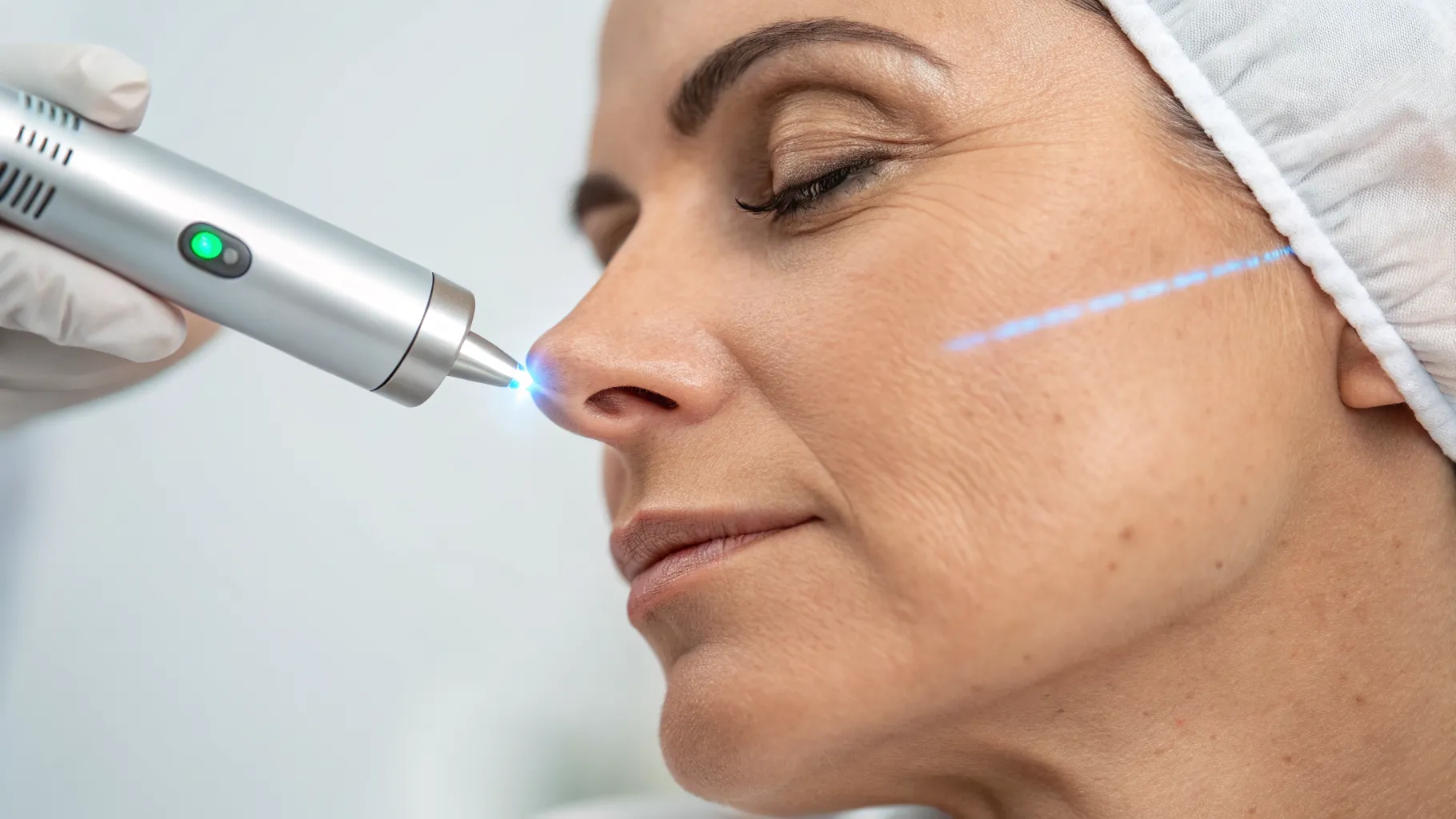
Top Laser Skin Rejuvenation Technologies for 2026
The field of aesthetic lasers is continuously innovating, bringing forth more refined and targeted approaches to skin concerns. In 2026, several key technologies stand out for their efficacy in promoting profound skin renewal. Understanding these options is the first step towards selecting the ideal treatment path for your specific needs, ensuring optimal results in your journey towards revitalized skin.
Fractional CO2 Laser Resurfacing: The Gold Standard for Deep Renewal
Fractional CO2 laser resurfacing remains a powerhouse among laser skin rejuvenation options. This ablative treatment works by creating microscopic columns of thermal injury in the skin, stimulating an intense wound-healing response that dramatically boosts collagen production. The surrounding healthy tissue aids in rapid recovery, making it an effective solution for severe sun damage, deep wrinkles, acne scars, and significant texture irregularities. Patients can expect impressive improvements in skin laxity and overall smoothness, though it typically involves a longer downtime compared to non-ablative lasers.
Erbium YAG Laser for Gentle Skin Resurfacing
For individuals seeking significant improvement with less aggressive intervention than CO2, the Erbium YAG laser offers a compelling alternative. This laser also performs skin resurfacing by precisely removing thin layers of skin, but with less thermal damage than CO2 lasers, leading to quicker healing times. It is particularly effective for treating fine lines, superficial wrinkles, mild to moderate acne scars, and certain types of pigmentation. Its controlled depth of penetration makes it a safer choice for delicate areas and for those with darker skin tones who are prone to post-inflammatory hyperpigmentation.
Pulsed Dye Lasers (PDL) for Vascular Concerns
Pulsed Dye Lasers (PDL) are non-ablative lasers specifically designed to target blood vessels. They emit a yellow light that is absorbed by oxyhemoglobin in red blood cells, coagulating the vessels without damaging the surrounding skin. This makes PDLs the preferred treatment for conditions like rosacea, spider veins, port-wine stains, and other vascular lesions. The treatment is gentle, typically requires no downtime, and can significantly reduce redness and visible blood vessels, contributing to a more even skin tone as part of a comprehensive laser skin rejuvenation plan.
Picosecond Lasers for Pigmentation and Tone
Picosecond lasers represent a leap forward in treating pigmentation issues and improving skin tone. These ultra-fast lasers deliver energy in picosecond pulses, shattering pigment particles into tiny fragments that the body can naturally clear. Unlike older Q-switched lasers, picosecond technology achieves superior pigment clearance with fewer treatments and reduced risk of thermal damage. It's highly effective for sunspots, age spots, melasma, and even tattoo removal, offering a refined approach to achieving clear, radiant skin. This technology also stimulates collagen production, contributing to overall skin revitalization.
Intense Pulsed Light (IPL) - A Versatile Non-Ablative Option
While technically not a laser, Intense Pulsed Light (IPL) therapy is a cornerstone of non-ablative skin resurfacing and rejuvenation, often discussed alongside laser treatments. IPL uses broad-spectrum light to target various chromophores in the skin, including melanin (for pigmentation) and hemoglobin (for redness). It effectively treats sun damage, age spots, freckles, rosacea, and broken capillaries, leading to a more uniform skin tone and texture. IPL treatments are known for their minimal downtime and versatility, making them a popular choice for overall complexion improvement.
Nd:YAG Laser for Deeper Issues and Hair Removal
The Nd:YAG laser operates at a longer wavelength, allowing it to penetrate deeper into the skin without causing significant damage to the superficial layers. This makes it ideal for treating deeper vascular lesions, specific types of pigmented lesions, and is also widely used for hair removal. For laser skin rejuvenation, it can target deeper wrinkles and stimulate collagen production in the dermis, offering a versatile tool for various aesthetic concerns, particularly in individuals with darker skin tones due to its lower melanin absorption.
Choosing the Right Laser for Your Skin Goals
Selecting the optimal laser skin rejuvenation treatment requires careful consideration of individual skin concerns, desired outcomes, and tolerance for downtime. Ablative lasers like CO2 and Erbium YAG offer the most dramatic results for severe sun damage and deep wrinkles, but come with a longer recovery period. Non-ablative options such as Pulsed Dye Lasers, picosecond lasers, and IPL are excellent for targeting pigmentation, redness, and fine lines with minimal to no downtime. For overall texture and mild scarring, fractional laser therapy strikes a balance between efficacy and recovery. A thorough consultation with a qualified dermatologist is paramount to assess your skin type, concerns, and lifestyle, guiding you towards the safest and most effective solution that aligns with your aesthetic goals for transformative skin resurfacing.
Maximizing Results and Minimizing Downtime
Achieving the best possible outcomes from your laser skin rejuvenation treatment involves a holistic approach that extends beyond the procedure itself. Understanding and adhering to pre- and post-treatment protocols can significantly enhance results and expedite recovery, ensuring your investment in revitalized skin pays off. Diligence in aftercare is as important as the treatment itself for successful skin resurfacing.
Consult with a Board-Certified Dermatologist:
Ensure a comprehensive skin assessment and a personalized treatment plan. A specialist will help you understand which laser skin rejuvenation option, like fractional laser therapy, is best suited for your specific skin type and concerns.Strict Sun Protection:
Before and after your treatment, rigorous sun protection is non-negotiable. Use broad-spectrum SPF 30+ daily and wear protective clothing to prevent complications and preserve your results. UV exposure can compromise healing and lead to new pigmentation.Follow Post-Care Instructions Diligently:
This includes cleansing routines, applying recommended topical products, and avoiding certain activities. Proper wound care is critical, especially for ablative treatments, to facilitate healing and prevent infection.Maintain a Healthy Skincare Routine:
Incorporate medical-grade skincare products as advised by your dermatologist. Ingredients like retinoids, antioxidants, and growth factors can support skin health and enhance the longevity of your collagen production from laser treatments.Patience and Realistic Expectations:
While results can be remarkable, it's important to remember that skin remodeling, particularly collagen production, takes time. Optimal results often become visible several weeks to months after the final treatment session.
Frequently Asked Questions
Is laser skin rejuvenation safe for all skin types?
The safety and efficacy of laser skin rejuvenation vary by skin type and the specific laser technology used. Darker skin tones carry a higher risk of post-inflammatory hyperpigmentation or hypopigmentation with certain lasers. Newer picosecond and Nd:YAG lasers are often safer options for darker complexions due to their specific wavelengths and pulse durations. Always consult a board-certified dermatologist who can assess your skin and recommend the safest and most effective treatment plan.
What is the typical recovery time after fractional laser therapy?
Recovery time after fractional laser therapy depends on the intensity of the treatment. For non-ablative fractional lasers, downtime can be as short as a weekend (2-4 days) with redness and mild swelling. For ablative fractional CO2 lasers, recovery typically ranges from 7 to 14 days, involving significant redness, swelling, and crusting, followed by prolonged pinkness. Your dermatologist will provide detailed post-care instructions to manage recovery and optimize healing.
How does collagen production benefit from laser treatments?
Laser treatments stimulate collagen production by creating controlled micro-injuries or thermal zones within the dermis. This triggers the body's natural wound-healing response, prompting fibroblasts to synthesize new collagen and elastin fibers. This process leads to improved skin elasticity, firmness, and a reduction in wrinkles and scars, contributing to overall youthful skin resurfacing and rejuvenation.
References
- American Academy of Dermatology Association. Laser Resurfacing: FAQs.
- Journal of Clinical and Aesthetic Dermatology. Advancements in Laser and Light-Based Devices for Skin Rejuvenation.
- Plastic and Reconstructive Surgery Global Open. Efficacy of Fractional CO2 Laser in the Treatment of Acne Scars.
- Dermatologic Surgery. Pulsed Dye Laser for the Treatment of Vascular Lesions.
- Lasers in Surgery and Medicine. Picosecond Lasers in Dermatology: A Review.
Authored by 24Trendz team