Restore Youthful Contours: The Best Injectable Dermal Fillers for Facial Volume Loss
Facts:
- Dermal fillers offer immediate volume restoration.
- Popularity of injectable treatments for anti-aging continues to rise globally.
Understanding the Science Behind Effective Facial Volume Loss Solutions
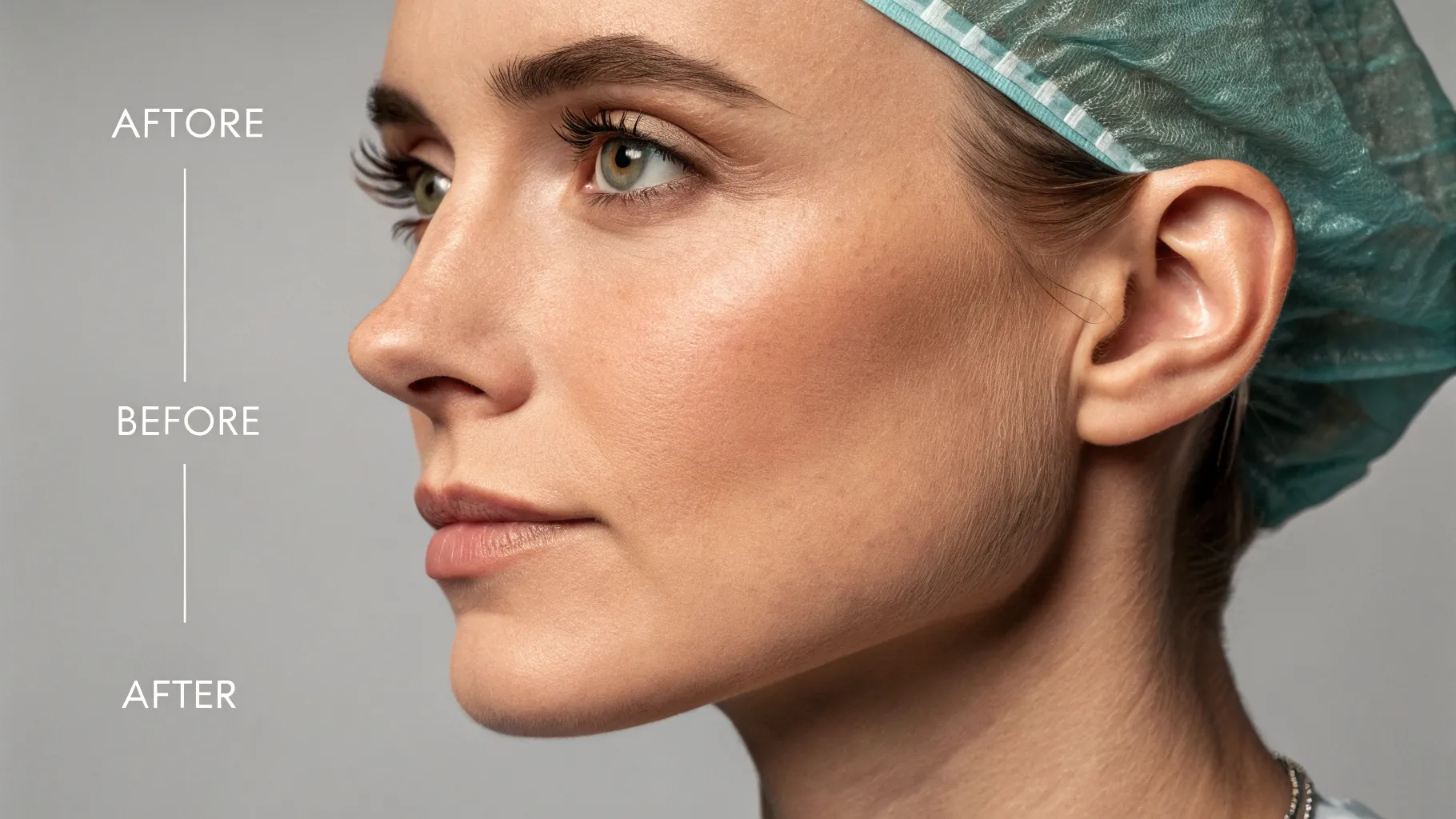
As we age, a natural process of tissue degeneration, bone resorption, and fat pad displacement contributes significantly to what is known as facial volume loss. This can lead to a tired appearance, sagging skin, and the prominence of wrinkles and folds. Fortunately, advancements in aesthetic medicine offer highly effective injectable treatments to counteract these signs of aging. The strategic application of dermal fillers can meticulously replenish lost volume, redefine facial contours, and restore a youthful vibrancy to the face. Understanding the different types of fillers and their mechanisms of action is crucial for achieving optimal and natural-looking results, making them a cornerstone in modern facial rejuvenation strategies.
Exploring Leading Injectable Dermal Fillers for Optimal Results
Choosing the best dermal fillers for addressing facial volume loss depends heavily on the specific area being treated, the extent of volume deficit, and individual patient goals. A range of advanced filler options exists, each with unique properties designed to achieve specific aesthetic outcomes.
Hyaluronic Acid Fillers: The Gold Standard for Restoring Volume
Hyaluronic acid fillers (HA fillers), such as those from the Juvéderm and Restylane families, are by far the most popular category of dermal fillers. Hyaluronic acid is a naturally occurring substance in the skin that binds water, providing volume and hydration. HA fillers work by drawing water to the injection site, immediately plumping the skin and replacing lost volume. Different viscosities of HA fillers are available for various applications; thicker formulations like Juvéderm Voluma are ideal for deep volume restoration in areas like the cheeks and chin, while softer gels might be used for fine lines or lip enhancement. These fillers offer natural-looking results and have the significant advantage of being reversible with an enzyme called hyaluronidase, providing an extra layer of safety for patients undergoing injectable treatments for facial volume loss. Results typically last from 6 to 18 months, depending on the specific product and treatment area.
Calcium Hydroxylapatite (CaHA) Fillers: Boosting Natural Collagen Stimulation
Calcium hydroxylapatite (CaHA) fillers, primarily exemplified by Radiesse, represent another powerful class of dermal fillers. Composed of tiny calcium microspheres suspended in a gel, CaHA fillers provide immediate volume upon injection. However, their unique benefit lies in their ability to stimulate the body's natural collagen stimulation over time. As the gel carrier is metabolized, the CaHA microspheres remain, acting as a scaffold for new collagen growth. This dual action provides both instant correction of facial volume loss and long-term improvement in skin quality and elasticity. Radiesse is often used for deeper lines and folds, hands, and areas requiring robust support, such as the jawline. Its effects can last for 12 to 18 months or even longer due to the sustained collagen production.
Poly-L-Lactic Acid (PLLA) Fillers: Gradual and Long-Lasting Facial Volume Restoration
Poly-L-lactic acid (PLLA) fillers, most notably Sculptra, work fundamentally differently from HA or CaHA fillers. Rather than providing immediate volume, PLLA is a bio-stimulator that encourages the body to produce its own collagen gradually over several months. This makes Sculptra an excellent choice for individuals experiencing widespread facial volume loss and those seeking very natural, subtle improvements that develop over time. A series of treatment sessions is typically required, and the results can last for two years or more, making it one of the longest-lasting injectable treatments for diffuse volume deficits. It's particularly effective for addressing hollowing in the temples, cheeks, and along the jawline, leading to comprehensive facial volume restoration.
Polymethylmethacrylate (PMMA) Fillers: Permanent Solutions for Significant Volume Deficits
Polymethylmethacrylate (PMMA) fillers, such as Bellafill, are considered semi-permanent to permanent dermal fillers. They consist of microscopic PMMA microspheres suspended in a collagen gel. Upon injection, the collagen gel provides immediate volume, while the PMMA microspheres remain in place, acting as a long-term scaffold for the body's own collagen production. Due to their permanence, PMMA fillers are typically reserved for specific indications and should only be administered by highly experienced practitioners. They are often used for deep folds, severe acne scars, and areas requiring very long-term correction of significant volume deficits. Patients considering PMMA fillers must have realistic expectations regarding the permanent nature of the results.
Understanding the Different Viscosities and Applications of Dermal Fillers
The science of dermal fillers extends beyond their base composition; the rheological properties, or the flow and deformation characteristics, are critical. Fillers come in various viscosities (thicknesses) and elasticities. Thicker, more viscous fillers are designed for deep injection and structural support, ideal for areas like the cheekbones or jawline to provide significant lift and correct profound facial volume loss. Softer, less viscous fillers are more suitable for superficial lines, lip augmentation, or delicate areas where a smooth, subtle correction is needed. A skilled injector will meticulously select the appropriate filler type and viscosity for each specific area of the face to ensure harmonious, natural-looking results that effectively address individual concerns about restoring volume and enhancing youthful contours.
Comparing the Efficacy and Safety Profiles of Injectable Treatments
When considering injectable treatments for facial volume loss, it's essential to compare the efficacy and safety profiles of the various dermal fillers. Hyaluronic acid (HA) fillers are generally considered the safest due to their natural biocompatibility and the option for reversal. They offer immediate gratification and predictable results, making them an excellent choice for first-time filler users or those seeking temporary but effective volume enhancement. CaHA and PLLA fillers, while not immediately reversible, offer the unique benefit of sustained collagen stimulation, leading to longer-lasting and often more natural-looking improvements in skin texture and firmness over time. Their safety profiles are also strong, with common side effects being mild and transient, such as bruising or swelling. PMMA fillers, due to their permanent nature, carry a higher risk profile for complications if not administered correctly, emphasizing the need for extreme precision and experienced practitioners. Regardless of the type, all injectable treatments carry some risk of side effects, including swelling, bruising, redness, and in rare cases, more serious complications like infection or vascular occlusion. A thorough consultation with a qualified and experienced medical professional is paramount to discuss the risks and benefits of each filler and determine the most appropriate approach for your specific needs in combating facial volume loss.
Personalizing Your Treatment: A Guide to Choosing the Right Dermal Filler
- Seek Expert Advice: Always consult with a board-certified dermatologist or plastic surgeon to assess your unique facial volume loss and determine the most suitable dermal fillers for your goals. An experienced practitioner will evaluate your facial anatomy, skin quality, and discuss your medical history.
- Discuss Desired Outcomes: Clearly articulate your aesthetic goals. Do you desire immediate restoring volume for a special event, or are you looking for gradual, long-term collagen stimulation? Understanding your priorities will guide the choice of injectable treatments.
- Consider Longevity and Maintenance: Understand the expected duration of various dermal fillers and plan for follow-up appointments. Some fillers require periodic touch-ups to maintain results, while others offer more extended effects.
- Be Aware of Cost Considerations: Different injectable treatments come with varying price points. Be aware of the investment involved in various fillers and treatment plans, including initial sessions and potential maintenance.
- Understand the Recovery Process: Discuss any potential downtime, post-treatment care instructions, and what to expect in terms of swelling, bruising, or discomfort with your practitioner.
Frequently Asked Questions
How long do dermal fillers for facial volume loss typically last?
The duration of dermal fillers varies significantly based on the type of filler, the area treated, and individual metabolism. Hyaluronic acid fillers generally last 6 to 18 months, while calcium hydroxylapatite fillers can last 12 to 18 months. Poly-L-lactic acid fillers can provide results for two years or more due to their collagen-stimulating properties. Permanent fillers like PMMA are designed for very long-term correction.
Are injectable treatments for restoring volume safe?
When administered by a qualified and experienced medical professional, injectable treatments for restoring volume are generally considered safe. Common side effects are usually mild and temporary, such as redness, swelling, or bruising at the injection site. Serious complications are rare but can occur, highlighting the importance of choosing a skilled injector.
Can hyaluronic acid fillers be reversed if I don't like the results?
Yes, one of the significant advantages of hyaluronic acid fillers is that they can be dissolved with an enzyme called hyaluronidase. This provides a safety net, allowing for adjustments or complete removal of the filler if a patient is unsatisfied with the results or in the rare event of a complication.
References
- American Academy of Dermatology Association - Dermal Fillers: What you need to know
- Journal of Clinical and Aesthetic Dermatology - Advances in Injectable Treatments for Facial Rejuvenation
- Plastic and Reconstructive Surgery Global Open - The Science and Art of Facial Volume Restoration
Authored by 24Trendz team