Best Creams for Post-Procedure Recovery: Essential Skin Healing Ointments
Facts:
- Immediate post-procedure care significantly impacts healing outcomes.
- The global market for specialized post-procedure recovery creams is experiencing rapid growth, driven by an increase in aesthetic and medical procedures.
Navigating Post-Procedure Care: The Critical Role of Topical Treatments
Embarking on a journey of recovery after a medical or aesthetic procedure can be both exciting and daunting. While the procedure itself marks a significant step, the period immediately following is equally crucial, particularly concerning skin health. Optimizing the healing process requires careful attention, and selecting the best creams for post-procedure recovery is paramount to achieving desired results, minimizing discomfort, and preventing complications. These specialized formulations are designed to support the skin’s natural reparative mechanisms, reduce inflammation, accelerate cell regeneration, and protect the delicate compromised barrier. Understanding the specific needs of your skin post-procedure and choosing the right topical treatments can make a profound difference in your outcome, transforming a potentially challenging recovery into a smoother, more effective experience, ultimately leading to superior aesthetic results. Therefore, investing in high-quality skin healing ointments is a proactive step towards a successful recovery.
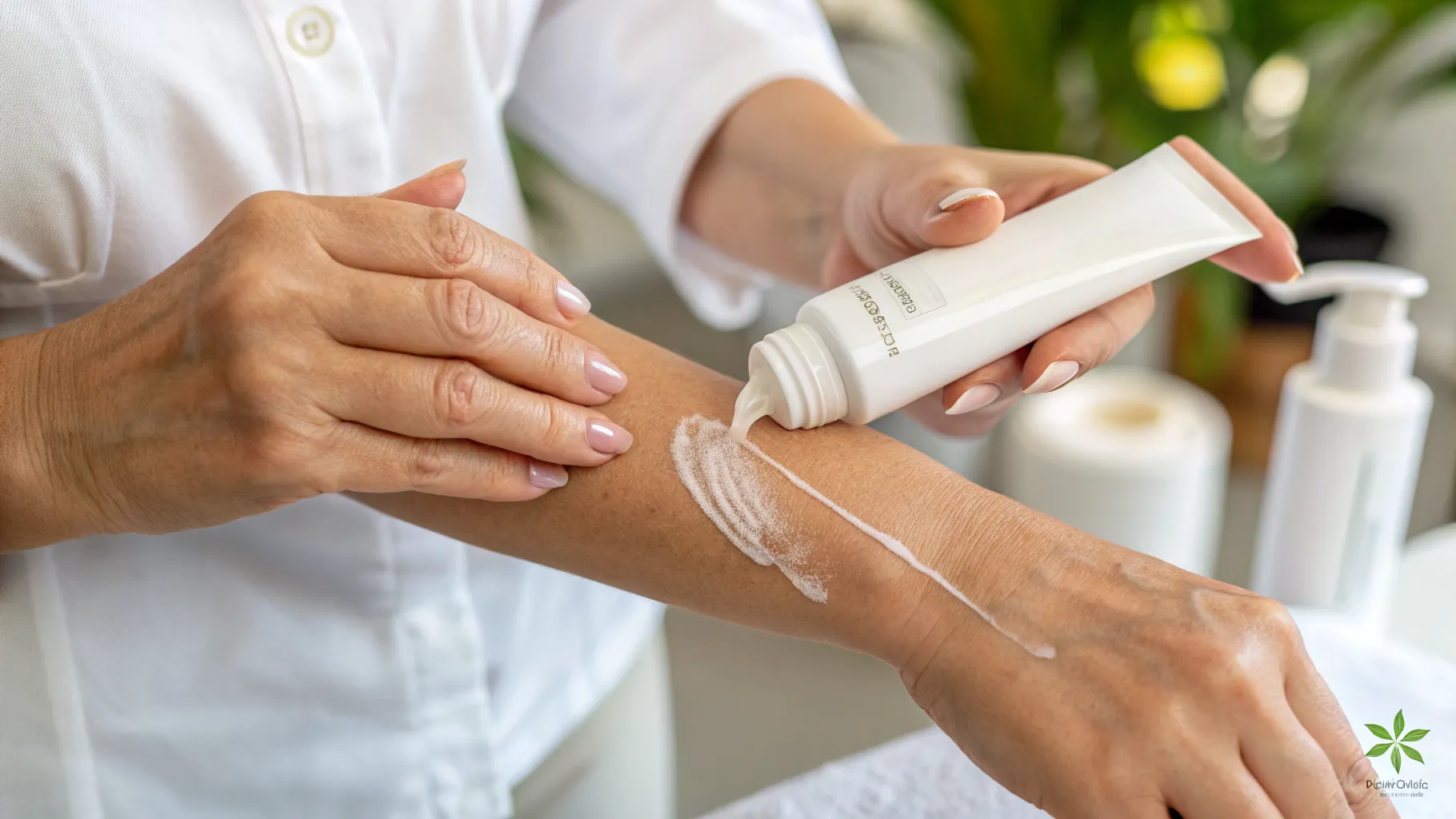
Understanding Your Skin's Healing Journey Post-Procedure
The skin undergoes a complex, multi-phase healing process after any procedure that breaches its integrity, whether it's a minor laser treatment or a surgical incision. Initially, an inflammatory phase occurs, characterized by redness, swelling, and mild pain. This is the body's natural response to trauma, clearing damaged cells and pathogens. Following this, the proliferative phase begins, where new tissue is formed, collagen is laid down, and blood vessels are repaired. Finally, the remodeling phase can last for months or even years, as the new tissue matures and strengthens. Each phase benefits from targeted care, and the consistent application of appropriate post-procedure recovery creams plays a vital role in supporting these delicate biological processes. By providing essential nutrients, hydration, and protective barriers, these creams can significantly influence the speed and quality of healing, ultimately impacting the aesthetic outcome and preventing long-term issues like excessive scarring or hyperpigmentation. Therefore, understanding this journey is the first step in selecting the most effective topical solutions and choosing the right dermatologist-recommended balms for your specific needs.
Top Picks: The Best Creams for Post-Procedure Recovery
The vast array of products available can make choosing the right recovery cream overwhelming. However, focusing on specific formulations designed to address distinct aspects of post-procedure healing can simplify the decision. From intense hydration to advanced scar management, these dermatologist-recommended balms and lotions are engineered to provide optimal support. Here are some of the leading categories and examples that consistently rank as the best creams for post-procedure recovery, each tailored to specific needs and stages of healing. Incorporating these specialized skin healing ointments can dramatically improve your recovery experience and final results.
Silicone-Based Scar Gels and Sheets
Silicone is widely recognized by dermatologists as the gold standard for scar management. These gels and sheets work by creating a semi-occlusive barrier over the treated area, which helps to hydrate the stratum corneum (the outermost layer of the skin). This increased hydration signals to fibroblasts to normalize collagen production, thereby preventing excessive collagen synthesis that leads to raised, hypertrophic, or keloid scars. Furthermore, the pressure exerted by silicone sheets can flatten existing scars. Consistent application of these scar reduction creams, once the wound has fully closed, is crucial for optimal results, often continuing for several months. They are particularly effective after surgical incisions, deep abrasions, or burns, playing a pivotal role in minimizing scar visibility.
Hydrating Barrier Repair Creams
Compromised skin after a procedure is often dehydrated and its natural barrier function is impaired, making it more susceptible to irritation and infection. Hydrating barrier repair creams are formulated with ingredients like ceramides, hyaluronic acid, and cholesterol, which are natural components of the skin barrier. These ingredients work synergistically to replenish lost moisture, strengthen the lipid barrier, and reduce transepidermal water loss. A strong, intact skin barrier is essential for healthy healing and protection against environmental aggressors. Opting for non-comedogenic and fragrance-free formulas ensures that sensitive post-procedure skin is not further irritated. Regular application of these soothing aftercare lotions helps to restore comfort and resilience to the recovering skin, making them essential skin healing ointments.
Anti-Inflammatory & Soothing Balms
Inflammation is a natural part of the healing process, but excessive or prolonged inflammation can lead to discomfort, redness, and even negatively impact scar formation. Anti-inflammatory and soothing aftercare lotions and balms contain ingredients such as centella asiatica (Cica), colloidal oatmeal, aloe vera, and bisabolol. These ingredients are known for their calming properties, helping to reduce redness, itching, and swelling. They provide immediate relief and promote a more comfortable recovery experience. These balms often have a thicker consistency, offering a protective layer while delivering their therapeutic benefits, making them ideal for sensitive or irritated skin areas that require extra care. They are vital components of any effective regimen of post-procedure recovery creams.
Growth Factor Serums & Peptide Formulations
For advanced healing and rejuvenation, growth factor serums and peptide formulations are increasingly recommended. Growth factors are naturally occurring proteins that stimulate cell growth, proliferation, and differentiation, playing a critical role in wound repair. Peptides, smaller chains of amino acids, act as signaling molecules that can encourage collagen production, repair damaged tissue, and reduce inflammation. These advanced skin healing ointments aim to accelerate the skin's regenerative processes, improve skin elasticity, and enhance overall tissue quality. While often more expensive, they can significantly contribute to a faster and more aesthetically pleasing recovery, especially after more intensive procedures like deep peels or laser resurfacing, making them a premium choice among dermatologist-recommended balms.
Sun Protection & Pigment Correctors
One of the most critical aspects of post-procedure care, often overlooked, is rigorous sun protection. Newly healed skin is extremely vulnerable to UV radiation, which can lead to post-inflammatory hyperpigmentation (dark spots) and impede proper scar maturation. Mineral-based sunscreens containing zinc oxide and titanium dioxide are highly recommended for their gentle yet effective broad-spectrum protection. Additionally, for individuals prone to hyperpigmentation, specific pigment corrector creams containing ingredients like niacinamide or vitamin C can be introduced later in the healing process, under professional guidance, to address and prevent discoloration. Integrating these protective and corrective post-procedure recovery creams into your daily routine is non-negotiable for achieving the best long-term results and preventing future skin concerns.
Comparing Key Ingredients in Skin Healing Ointments for Optimal Recovery
When selecting the ideal skin healing ointments, understanding the key ingredients and their functions is crucial. Different compounds offer unique benefits that cater to various stages and types of post-procedure recovery. For instance, while silicone derivatives (like dimethicone) are unparalleled for creating an occlusive environment that aids in scar flattening and maturation, they are generally applied once the wound has completely closed. In contrast, immediately after a procedure, ingredients like hyaluronic acid and ceramides found in hydrating barrier repair creams are vital for replenishing moisture and fortifying the skin's compromised protective layer. Then there are anti-inflammatory agents such as Centella Asiatica, which excel at calming redness and irritation during the initial acute phase of healing. Peptide and growth factor formulations represent a more advanced approach, actively signaling the skin to produce new collagen and accelerate cellular repair, often used for more intensive treatments or to enhance overall skin quality over time. Whereas some dermatologist-recommended balms might combine several of these components, others specialize in one area. For example, a pure silicone gel won't offer the same immediate soothing properties as a Cica balm, but a Cica balm won't provide the long-term scar reduction creams benefits of silicone. Therefore, a multi-faceted approach, potentially cycling different creams as healing progresses, might be the most effective strategy, always guided by professional advice, to ensure the optimal combination of post-procedure recovery creams for your specific needs and procedure type.
Maximizing Efficacy: Actionable Advice for Aftercare with Your Recovery Creams
Cleanse Gently: Always start with a clean canvas. Use a mild, pH-balanced cleanser specifically designed for sensitive skin before applying any post-procedure recovery creams. Avoid harsh scrubbing or very hot water, which can further irritate delicate skin. Pat dry gently with a clean, soft towel rather than rubbing.
Follow Application Instructions Diligently: Each cream, especially potent scar reduction creams or growth factor serums, will have specific instructions regarding frequency and method of application. Adhering strictly to these guidelines from your dermatologist or aesthetician is paramount for achieving the intended results and avoiding potential complications. More is not always better when it comes to sensitive, healing skin.
Be Consistent and Patient: Skin healing is a marathon, not a sprint. The benefits of skin healing ointments often become apparent over weeks or even months. Consistency in application and patience with the process are key. Skipping applications can hinder progress, particularly with treatments aimed at long-term improvements like scar remodeling. Trust the process and your chosen dermatologist-recommended balms.
Protect from Sun Exposure: As highlighted earlier, newly healed skin is highly susceptible to UV damage. Always apply a broad-spectrum, mineral-based sunscreen (SPF 30 or higher) as the final step in your morning routine, even on cloudy days, and reapply every two hours if exposed. Physical barriers like wide-brimmed hats and protective clothing are also invaluable. This step is critical to prevent post-inflammatory hyperpigmentation and ensure the best aesthetic outcome for your skin after using soothing aftercare lotions.
Monitor Your Skin's Response: Pay close attention to how your skin reacts to the products. While some mild redness or tingling might be normal initially, persistent burning, itching, excessive redness, or new breakouts could indicate an allergic reaction or irritation. Discontinue use and consult your practitioner if you experience adverse effects. Your skin’s feedback is essential in tailoring your recovery regimen and choosing the ideal post-procedure recovery creams.
Frequently Asked Questions
What are the key ingredients in the best creams for post-procedure recovery?
The best creams for post-procedure recovery often contain a blend of ingredients tailored for healing. Key components include silicone (for scar management), hyaluronic acid and ceramides (for hydration and barrier repair), centella asiatica (Cica), aloe vera, and colloidal oatmeal (for soothing inflammation), and sometimes growth factors or peptides (for cellular regeneration). The specific combination depends on the procedure and individual skin needs, often found in dermatologist-recommended balms.
How long should I use skin healing ointments after a procedure?
The duration for using skin healing ointments varies significantly based on the type of procedure and individual healing rates. For acute inflammation and initial wound closure, use might be for 1-2 weeks. However, for scar management, especially with scar reduction creams like silicone gels, consistent use for 3-6 months, or even longer, is often recommended to achieve optimal results. Always follow your medical professional's specific advice for your soothing aftercare lotions.
Can I use regular moisturizers instead of dermatologist-recommended balms for recovery?
While some regular moisturizers might offer hydration, they typically lack the specialized ingredients and concentrated formulations found in dermatologist-recommended balms designed for post-procedure recovery. These specialized products are formulated to address the unique needs of compromised skin, such as reducing inflammation, promoting collagen remodeling, and strengthening a weakened barrier more effectively than standard skincare. Using inappropriate products could hinder healing or cause irritation, making them less effective than dedicated post-procedure recovery creams.
When should I start applying post-procedure recovery creams?
The timing for applying post-procedure recovery creams is crucial and depends entirely on your procedure and your doctor's instructions. For open wounds, initial care might involve antiseptic or antibiotic ointments. Once the wound has fully closed and re-epithelialized (usually a few days to a week), you can typically begin with hydrating and soothing balms. Scar-specific treatments like silicone gels are generally introduced once the scab has fallen off and the new skin is stable. Always consult your practitioner for precise guidance on when to start your specific recovery regimen of skin healing ointments.
References
- International Journal of Dermatology, "Advances in Wound Care and Scar Management."
- Journal of the American Academy of Dermatology, "Topical Agents for Post-Procedure Healing."
- Plastic and Reconstructive Surgery, "The Role of Silicone in Scar Prevention and Treatment."
- Dermatologic Surgery, "Understanding the Skin Barrier and Its Repair Mechanisms."
- Cosmetic Dermatology, "Emerging Trends in Growth Factor and Peptide Applications for Skin Regeneration."
Authored by 24Trendz team