Discover the Best Creams for Psoriasis Relief: Effective Topical Solutions
Fast Facts:
- Psoriasis affects millions globally, causing skin inflammation.
- Topical treatments are the first-line therapy for mild to moderate psoriasis.
Understanding Effective Topical Creams for Psoriasis Management
Living with psoriasis can be a constant challenge, but finding the right psoriasis relief creams can significantly improve symptoms and quality of life. This guide delves into the various categories of topical psoriasis treatment options available, offering insights into how each works to alleviate the redness, scaling, and discomfort associated with this chronic autoimmune condition. From potent prescription formulas to over-the-counter emollients, understanding your options is the first step towards effective management and sustained relief. We will explore the mechanisms, benefits, and considerations for selecting the most appropriate psoriasis relief creams to help you regain control over your skin health.
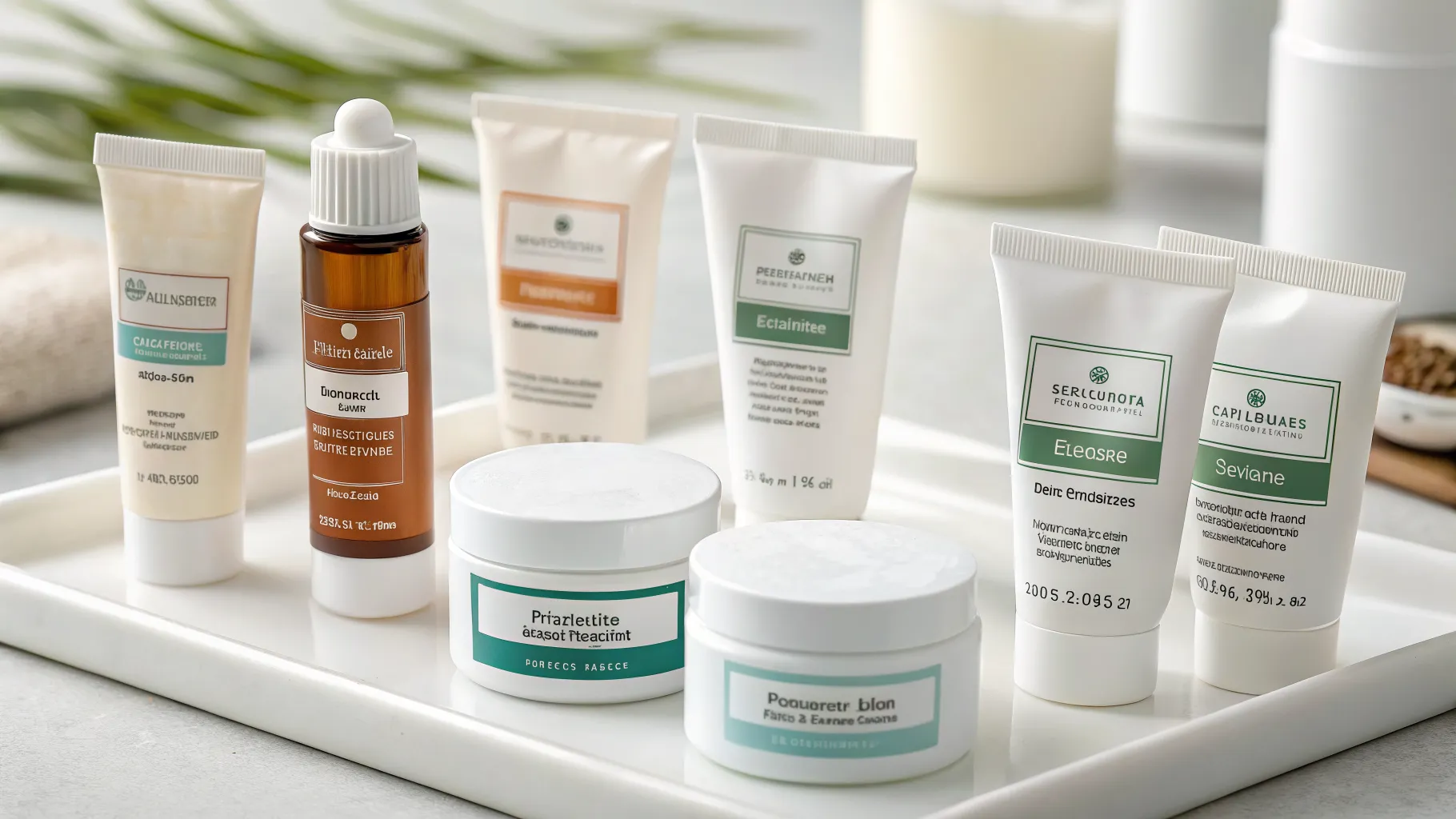
Corticosteroid Creams: Potent Psoriasis Relief Creams
Corticosteroid creams for psoriasis are among the most commonly prescribed and effective topical treatments. These powerful anti-inflammatory agents work by suppressing the immune response in the skin, reducing redness, swelling, and itching. They come in various strengths, from mild (e.g., hydrocortisone) to very potent (e.g., clobetasol propionate), and are typically applied once or twice daily for specific periods. While highly effective for acute flares, prolonged use of stronger corticosteroids can lead to side effects such as skin thinning, stretch marks, and discoloration, making it crucial to use them under medical supervision. Often, dermatologists prescribe a step-down approach or intermittent use to maximize benefits while minimizing potential adverse effects, making them a cornerstone of topical psoriasis treatment.
Calcipotriene (Vitamin D Analog) Creams: Targeting Cell Growth in Topical Psoriasis Treatment
Calcipotriene for psoriasis is a synthetic derivative of vitamin D that plays a crucial role in regulating skin cell growth and differentiation. Unlike corticosteroids, calcipotriene creams do not thin the skin and can be used for longer durations. They work by slowing down the rapid turnover of skin cells that is characteristic of psoriasis, helping to reduce the thick, scaly plaques. Calcipotriene is available in various formulations, often combined with betamethasone dipropionate (a potent corticosteroid) to enhance efficacy and tolerability. This combination product can offer superior psoriasis relief by addressing both inflammation and abnormal cell proliferation, making it a popular and effective choice in comprehensive topical psoriasis treatment plans.
Tazarotene (Retinoid) Creams: Aiding Cell Turnover for Psoriasis Relief
Tazarotene is a topical retinoid, a class of drugs derived from vitamin A, that is effective in treating mild to moderate plaque psoriasis. It works by normalizing the abnormal growth and differentiation of skin cells and reducing inflammation. Tazarotene creams can be particularly effective for stubborn plaques, helping to reduce thickness and scaling. However, they can cause skin irritation, redness, and sensitivity to sunlight, especially during the initial stages of treatment. Patients using tazarotene are advised to apply it sparingly and use sunscreen regularly. When used correctly, tazarotene can provide significant psoriasis relief and is often incorporated into rotation with other psoriasis relief creams to optimize outcomes and manage side effects.
Salicylic Acid and Coal Tar Preparations: Exfoliating Psoriasis Skin
For individuals dealing with thick, scaly plaques, preparations containing salicylic acid for psoriasis or coal tar can be invaluable. Salicylic acid acts as a keratolytic agent, meaning it helps to soften and remove scales, allowing other topical medications to penetrate more effectively. It is available in various strengths and formulations, including creams, ointments, and shampoos. Coal tar, a centuries-old remedy, reduces inflammation, itching, and scaling by slowing down rapid skin cell growth. While effective, coal tar products can have a strong odor and may stain clothing. Both salicylic acid and coal tar products are widely available over-the-counter and can provide substantial psoriasis relief creams as part of a daily regimen, particularly for preparing the skin for further topical psoriasis treatment.
Calcineurin Inhibitors: Alternative Psoriasis Treatment for Sensitive Areas
Topical calcineurin inhibitors, such as pimecrolimus cream and tacrolimus ointment, are prescription medications primarily used for facial and intertriginous (skin folds) psoriasis, where corticosteroid use is generally avoided due to the risk of skin thinning. These agents work by suppressing the immune system in the skin, thereby reducing inflammation and symptoms. While not as potent as high-strength corticosteroids for thick plaques, they are excellent alternatives for sensitive areas and for long-term maintenance treatment, as they do not carry the same risk of corticosteroid-induced side effects. They are key components in an array of psoriasis relief creams, providing targeted relief without compromising delicate skin, making them an important option in topical psoriasis treatment strategies.
Moisturizers and Emollients: Essential for Psoriasis Management
While not a direct treatment for the underlying disease, moisturizers for psoriasis are fundamental to daily psoriasis management and symptom alleviation. Regular application of emollients, such as thick creams or petroleum jelly, helps to keep the skin hydrated, reduce dryness, itching, and scaling, and can even enhance the effectiveness of other topical medications by improving skin barrier function. Fragrance-free and hypoallergenic formulations are generally recommended to avoid potential irritation. Incorporating a high-quality moisturizer into your routine several times a day can provide significant comfort and improve the overall appearance and feel of psoriasis-affected skin, complementing the more active psoriasis relief creams and contributing to overall skin health.
Comparing Different Approaches to Psoriasis Cream Selection
Choosing the best psoriasis relief creams requires a careful consideration of several factors, including the severity and location of your psoriasis, your lifestyle, potential side effects, and your response to previous treatments. For mild to moderate cases, a combination of corticosteroids and vitamin D analogs is often initiated, with retinoids or calcineurin inhibitors used for specific areas or as rotation therapies. Over-the-counter options like salicylic acid and coal tar are excellent for managing scaling and reducing inflammation, especially when integrated with a robust moisturizing regimen. The goal is to find a treatment plan that offers effective topical psoriasis treatment with minimal disruption to daily life and side effects. Always consult with a dermatologist to develop a personalized treatment strategy that is best suited for your individual needs and provides sustained psoriasis relief.
Practical Tips for Maximizing Psoriasis Cream Effectiveness
- Cleanse and Prepare Skin: Always cleanse the affected area gently before applying any psoriasis relief creams. This ensures better absorption and efficacy of the medication. Avoid harsh soaps that can dry out the skin further.
- Follow Application Instructions Carefully: Adhere strictly to your doctor's instructions regarding the amount, frequency, and duration of application for your topical psoriasis treatment. Using too much or too little, or discontinuing too soon, can impact results.
- Incorporate Moisturizers: Even when using prescription creams, regular application of thick, fragrance-free moisturizers for psoriasis is crucial. Apply them generously throughout the day, especially after bathing, to lock in moisture and reduce dryness and itching.
- Patch Testing for New Products: Before applying any new psoriasis relief creams extensively, test a small amount on a discreet patch of skin to check for adverse reactions. This is particularly important for those with sensitive skin.
- Be Patient and Consistent: Psoriasis treatment often requires patience. It can take several weeks to see significant improvement. Consistency in application is key to achieving optimal psoriasis relief.
- Protect from Sun: Some topical treatments, like tazarotene, can increase sun sensitivity. Always use a broad-spectrum sunscreen with an SPF of 30 or higher when using such medications and for general psoriasis management.
Frequently Asked Questions
Can I use multiple psoriasis relief creams at once?
It depends on the specific creams and your doctor's recommendation. Often, different creams are used in rotation or for specific times of the day (e.g., a corticosteroid in the morning and a vitamin D analog at night), or for different body parts. Always consult your dermatologist before combining treatments to ensure safety and effectiveness.
How long does it take for topical psoriasis treatment to show results?
The time it takes to see results can vary depending on the severity of your psoriasis and the specific cream being used. Mild corticosteroids might show improvement within a few days, while vitamin D analogs or retinoids might take several weeks to achieve noticeable psoriasis relief. Consistent application is vital.
Are there natural psoriasis relief creams that are effective?
While some natural ingredients like aloe vera, oat extract, and certain oils can soothe and moisturize the skin, they typically do not address the underlying disease processes of psoriasis as effectively as prescription medications. They can be used as adjuncts to prescribed topical psoriasis treatment to help manage symptoms and provide additional psoriasis relief.
Can children use psoriasis relief creams?
Many psoriasis relief creams are safe for children, but dosages and strengths may need to be adjusted. It is crucial for a pediatrician or dermatologist to evaluate the child's condition and prescribe appropriate topical psoriasis treatment suitable for their age and skin sensitivity.
What are the signs that my psoriasis cream isn't working?
Signs that your psoriasis relief creams might not be effective include a lack of improvement in redness, scaling, or itching after several weeks of consistent use, or worsening of symptoms. If you experience these, it's important to consult your dermatologist to discuss alternative topical psoriasis treatment options or adjust your current regimen.
References
- National Psoriasis Foundation. Understanding Psoriasis.
- American Academy of Dermatology Association. Psoriasis: Diagnosis and Treatment.
- Journal of the American Academy of Dermatology. Topical Therapies for Psoriasis.
- Mayo Clinic. Psoriasis Treatment.
- UpToDate. Treatment of Psoriasis.
Authored by 24Trendz team