Best Creams for Hyperpigmentation: Achieve Brighter Skin and Reduce Dark Spots
Fast Facts:
- Sun exposure is the leading cause of hyperpigmentation.
- Topical treatments are the first line of defense for dark spots.
Unveiling the Science Behind the Best Creams for Hyperpigmentation
Addressing hyperpigmentation, a common skin concern characterized by the appearance of dark spots and uneven skin tone, requires a targeted approach. The market offers an array of hyperpigmentation treatment options, but selecting the most effective cream can be daunting. This comprehensive guide will explore the science behind effective formulations, helping you navigate the choices and find the ideal solution for your skin. We delve into key ingredients, their mechanisms of action, and how to integrate these powerful brightening creams into your daily skincare routine to achieve a more luminous complexion and significant melanin reduction.
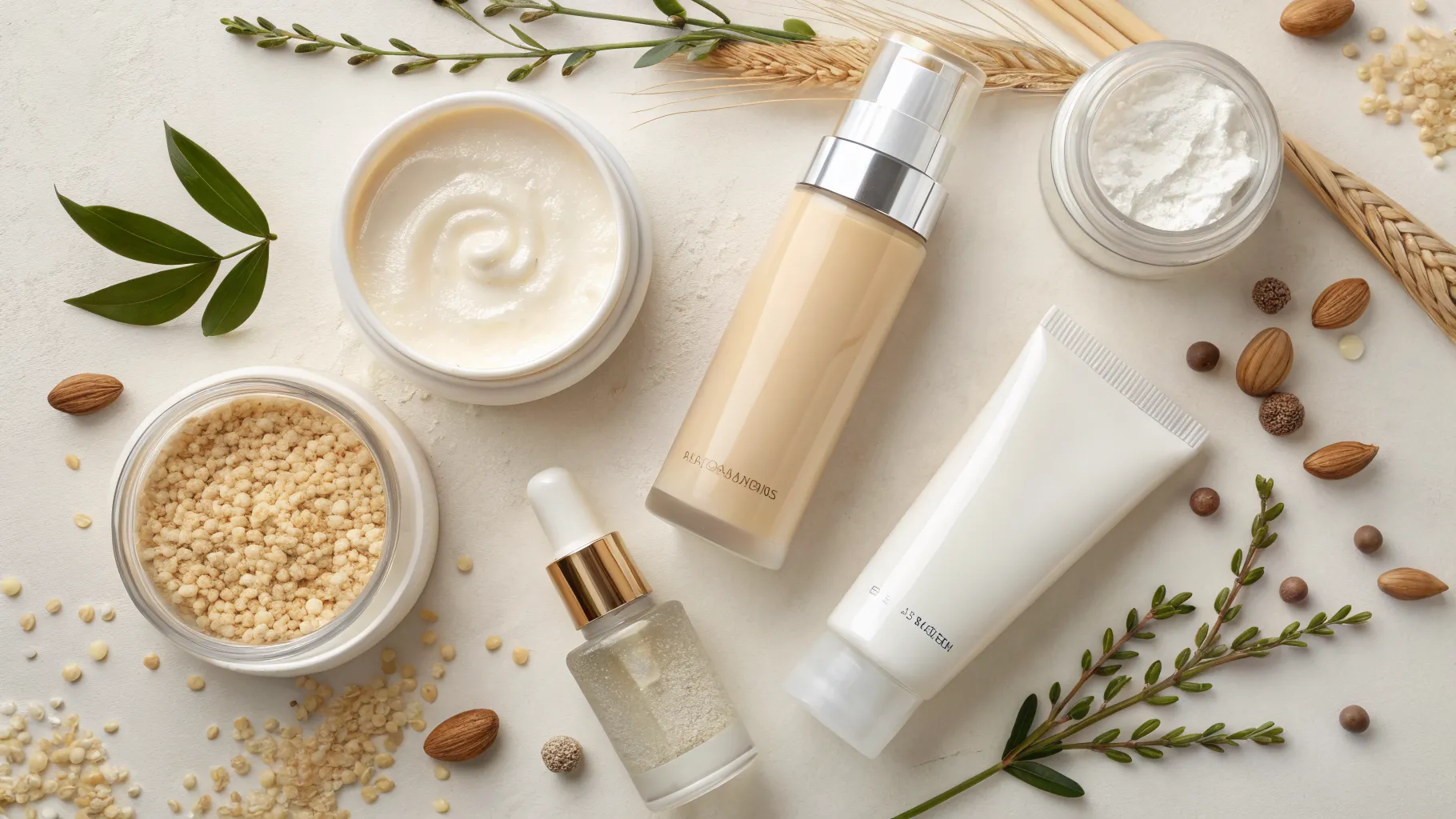
Key Ingredients in Effective Hyperpigmentation Creams
Understanding the active ingredients is crucial when choosing the best creams for hyperpigmentation. Each ingredient plays a specific role in targeting dark spots and fostering a more even skin tone. By combining these powerful components, many hyperpigmentation treatment products offer synergistic effects, leading to enhanced results in addressing skin discoloration and promoting overall skin clarity.
Hydroquinone: The Gold Standard for Dark Spots
Hydroquinone remains one of the most potent and well-researched ingredients for treating hyperpigmentation. It works by inhibiting tyrosinase, an enzyme crucial for melanin production. This direct interruption of the pigment synthesis pathway leads to a significant reduction in existing dark spots and prevents the formation of new ones. While highly effective for severe skin discoloration, its use often requires careful guidance from a dermatologist due to potential side effects and concentration limits in over-the-counter formulations. It is a cornerstone in many advanced hyperpigmentation treatment protocols, offering unparalleled efficacy for rapid improvement.
Vitamin C: Brightening Powerhouse
Ascorbic acid, commonly known as Vitamin C, is a powerful antioxidant that not only protects the skin from environmental damage but also plays a pivotal role in reducing hyperpigmentation. It functions by interfering with melanin synthesis and also helps to brighten the overall complexion. Regular application of creams containing Vitamin C can visibly diminish dark spots, improve skin texture, and enhance radiance, making it a popular choice in brightening creams designed for daily use. Its ability to provide gentle yet effective skin discoloration correction makes it suitable for a wider range of skin types.
Niacinamide: Soothing and Correcting
Niacinamide, a form of Vitamin B3, is celebrated for its multifaceted benefits, including its ability to reduce hyperpigmentation. Unlike some other active ingredients, niacinamide does not directly inhibit melanin production but rather prevents the transfer of melanin from melanocytes to keratinocytes in the epidermis. This mechanism effectively reduces the appearance of dark spots and improves overall skin tone without causing irritation, making it an excellent ingredient for sensitive skin types seeking hyperpigmentation treatment. Furthermore, it strengthens the skin barrier and reduces inflammation, contributing to healthier skin.
Alpha Hydroxy Acids (AHAs): Exfoliation Benefits
Alpha Hydroxy Acids like glycolic acid and lactic acid work by exfoliating the top layer of dead skin cells, which helps to shed pigmented cells and reveal fresher, brighter skin underneath. This process can significantly improve the appearance of dark spots and textural irregularities associated with hyperpigmentation. When incorporated into brightening creams, AHAs enhance cell turnover, allowing other active ingredients to penetrate more effectively and accelerate the results of any hyperpigmentation treatment. Consistent use can lead to a smoother, more even complexion.
Retinoids: Cellular Turnover and Melanin Reduction
Retinoids, including retinol and tretinoin, are derivatives of Vitamin A known for their impressive ability to accelerate cell turnover. By speeding up the natural exfoliation process, retinoids help to push pigmented skin cells to the surface, where they are shed, thereby reducing the visibility of dark spots and contributing to overall melanin reduction. They are also effective in improving skin texture, reducing fine lines, and promoting a more even tone. While potent for hyperpigmentation treatment, they may cause initial irritation, so gradual introduction into a skincare routine is often recommended to manage any initial sensitivity and achieve optimal results.
Comparing the Best Creams for Different Skin Types
Choosing the absolute best creams for hyperpigmentation means considering your individual skin type and the severity of your dark spots or skin discoloration. For sensitive skin, formulations rich in niacinamide, Vitamin C, and botanicals like licorice root extract or arbutin are often preferred, as they offer gentle yet effective hyperpigmentation treatment without excessive irritation. Oily or acne-prone skin types might benefit from creams containing AHAs or retinoids, which not only target pigmentation but also help manage breakouts and improve skin texture. Dry skin, conversely, may require formulations that pair active brightening agents with hydrating ingredients like hyaluronic acid or ceramides to maintain the skin's barrier function while addressing melanin reduction. Consulting with a dermatologist can provide personalized recommendations, ensuring you select a product that aligns perfectly with your skin's needs and enhances your pursuit of a uniform and radiant complexion.
How to Incorporate a Cream for Hyperpigmentation into Your Routine
Effectively integrating a hyperpigmentation treatment cream into your daily skincare regimen is crucial for achieving optimal results and ensuring long-term success in reducing dark spots and skin discoloration. A consistent and mindful approach will maximize the efficacy of your chosen product and help you maintain a bright, even complexion. Remember that patience is key, as significant improvements often require several weeks or even months of dedicated application.
- Cleanse Thoroughly: Always start with a gentle cleanser to remove impurities and prepare your skin for treatment. A clean canvas allows for better absorption of active ingredients in your brightening creams.
- Apply to Clean, Dry Skin: After cleansing, ensure your skin is completely dry before applying your hyperpigmentation treatment cream. Applying on damp skin can increase product penetration too rapidly, potentially leading to irritation, especially with potent ingredients.
- Follow Product-Specific Instructions: Different creams have varying application protocols. Some are meant for targeted application on dark spots, while others are for overall facial use. Pay close attention to the manufacturer's directions regarding frequency (e.g., once daily, twice daily) and the amount to use.
- Prioritize Sun Protection: This is arguably the most critical step. Sun exposure is a primary cause of hyperpigmentation and can reverse the effects of any melanin reduction efforts. Always apply a broad-spectrum sunscreen with an SPF of 30 or higher every morning, even on cloudy days, and reapply throughout the day.
- Introduce Gradually: If your chosen cream contains potent ingredients like retinoids or hydroquinone, start by using it every other night or a few times a week, gradually increasing frequency as your skin builds tolerance. This minimizes irritation and allows your skin to adapt to the powerful components targeting skin discoloration.
- Layer Correctly: Typically, active treatment serums or creams should be applied before heavier moisturizers. Allow each product to absorb fully for a few minutes before applying the next layer.
- Be Patient and Consistent: Results from hyperpigmentation treatment are rarely immediate. It often takes several weeks to months of consistent use to see significant fading of dark spots and improvement in overall skin tone. Stick with your routine to achieve the best possible outcomes.
Frequently Asked Questions
Can creams completely remove dark spots caused by hyperpigmentation?
While creams for hyperpigmentation treatment can significantly reduce the appearance of dark spots and lead to substantial melanin reduction, complete removal depends on the type and depth of the pigmentation. Superficial skin discoloration often responds very well, while deeper or older spots may require more time and potentially combination treatments with professional procedures.
How long does it take to see results from brightening creams?
The timeline for seeing results from brightening creams varies depending on the product's active ingredients, the severity of the hyperpigmentation, and individual skin response. Generally, consistent use for 6-12 weeks is required to observe noticeable improvements in dark spots and overall skin tone.
Are there any side effects to using hyperpigmentation creams?
Some individuals may experience mild side effects such as redness, dryness, peeling, or irritation, especially when starting a new hyperpigmentation treatment, particularly with ingredients like retinoids or hydroquinone. It is important to introduce products gradually and always use sunscreen to minimize risks and protect treated skin from further skin discoloration.
References
- Dermatological journal articles on melanin synthesis inhibitors.
- Clinical studies on the efficacy of hydroquinone, retinoids, and vitamin C for hyperpigmentation.
- Research papers on the role of niacinamide and AHAs in skin brightening.
- Expert opinions from leading dermatologists on topical hyperpigmentation treatments.
Authored by 24Trendz team